Dreaming of an escape that truly connects you with Korean heritage? A Traditional Hanok stay with a tea ceremony and home-cooked breakfast offers an unparalleled journey into the heart of Korea’s rich culture and serene traditions. This isn’t just a place to sleep; it’s an immersive experience designed to slow down time, nourish your soul, and provide an authentic glimpse into the past. Imagine waking up in a beautifully preserved traditional Korean house, participating in a mindful tea ceremony, and then savoring a delicious, wholesome breakfast prepared with local ingredients. This blog post will guide you through every aspect of planning and enjoying such a unique cultural immersion, ensuring your trip is filled with unforgettable moments of peace, beauty, and genuine Korean hospitality.
Hanok Infomation

Experiencing the Heart of a Traditional Hanok Stay
While not “attractions” in the typical sense, the core elements of your Hanok stay are the true draw, offering deep cultural immersion.
The Authentic Hanok Accommodation
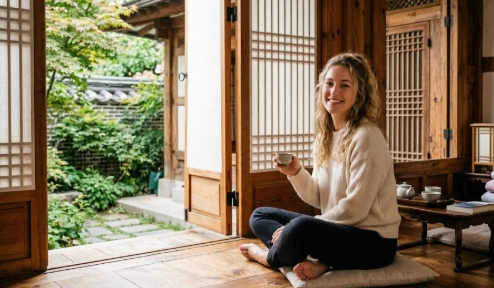
A hanok is more than just a house; it’s a testament to traditional Korean architecture, designed in harmony with nature. When you choose a Hanok stay, you’re opting for an experience steeped in history. Expect to sleep on a comfortable mattress (yo) on the heated floor (ondol), surrounded by natural wood, paper screens, and minimalist decor. Many hanoks feature courtyards (madang) that provide a tranquil escape, offering a peaceful space for reflection. This unique accommodation allows you to physically connect with centuries of Korean living, providing a quietude often missing from modern life. Look for guesthouses (hanok minbak) that specialize in providing this holistic cultural experience.
The Serene Korean Tea Ceremony (Darye)
One of the most cherished components of a traditional Hanok stay is the opportunity to participate in a Korean tea ceremony, known as Darye (다례). This ritual is more than just drinking tea; it’s an act of mindfulness, respect, and meditation. Typically, your host will guide you through the process, explaining the significance of each movement, from warming the cups to pouring and serving the tea. You’ll learn about different types of Korean tea, often green tea (nokcha) or various herbal blends, and appreciate their subtle flavors. This experience fosters a deep sense of calm and allows you to connect with centuries-old customs of hospitality and contemplation.
Cultural Activities within Hanok Villages
Beyond your specific hanok, the surrounding villages are attractions in themselves. Areas like Bukchon Hanok Village in Seoul or Jeonju Hanok Village offer a living museum experience. Stroll through narrow alleys, discover hidden tea houses, traditional craft shops, and small museums. Some hanok stays may even offer additional cultural activities like learning to make traditional crafts (hanji paper, ceramics), playing folk games, or trying on a hanbok (traditional Korean dress). These supplementary experiences enrich your overall Hanok stay and provide a broader understanding of Korean heritage.
Food & Local Cuisine
Culinary Delights: Your Home-Cooked Korean Breakfast and More
Savoring a Traditional Hanok Breakfast
The home-cooked breakfast is a highlight of many traditional Hanok stays, offering a genuine taste of Korean home cooking. Unlike the typical Western breakfast, a Korean breakfast often consists of a variety of small, flavorful dishes (banchan), rice (bap), and soup (guk). You might find dishes like kimchi (fermented cabbage), various seasoned vegetables, grilled fish, steamed eggs (gyeran-jjim), or a simple savory pancake (jeon). The emphasis is on balance, nutrition, and seasonal ingredients. This meal is prepared with care by your host, offering not just sustenance but a warm introduction to Korean culinary customs and a true sense of hospitality. It’s a nourishing start to your day and a vital part of the Hanok experience.
Exploring Local Gastronomy Beyond Your Stay
While your hanok breakfast provides a fantastic start, don’t miss the chance to explore local food experiences. In Hanok villages like Jeonju, known as a UNESCO City of Gastronomy, you can indulge in famous dishes like Jeonju Bibimbap, Kongnamul Gukbap (bean sprout soup), and a plethora of street foods. In Seoul’s Bukchon or Insadong areas, seek out traditional Korean restaurants (hansik-jip) offering set menus (hanjeongsik) that present a wide array of Korean dishes in an elegant setting. Local markets, such as Gwangjang Market in Seoul, are perfect for tasting diverse street foods and soaking in the vibrant atmosphere. Look for traditional cafes (hanok cafes) that serve traditional teas, rice cakes, and desserts in a beautiful setting.
Getting There & Getting Around
Navigating Your Journey to a Hanok & Exploring Local Areas
Reaching Popular Hanok Villages
Most major Hanok stay destinations are well-connected by Korea’s efficient public transportation system.
* Seoul (Bukchon, Namsangol): Easily accessible via Seoul’s extensive subway system. Bukchon Hanok Village is near Anguk Station (Line 3), while Namsangol Hanok Village is close to Chungmuro Station (Lines 3 & 4). Taxis and ride-sharing apps are also readily available.
* Jeonju Hanok Village: Take a KTX (high-speed train) from Seoul Station or Yongsan Station to Jeonju Station (approx. 1.5-2 hours). From Jeonju Station, the Hanok Village is a short taxi ride (10-15 minutes) or accessible by local bus.
* Andong Hahoe Folk Village: This requires a bit more effort. Take a KTX or intercity bus to Andong, then a local bus or taxi to Hahoe. It’s often best visited as a day trip or with an overnight stay in Andong city.
Booking KTX tickets in advance, especially during peak season, is highly recommended.
Getting Around Traditional Neighborhoods
Once you’ve reached your chosen Hanok village, the best way to explore is on foot. These areas are designed for leisurely strolls, allowing you to appreciate the architecture, discover hidden alleys, and soak in the atmosphere. Many hanok villages are largely pedestrianized. For slightly longer distances within a city, local buses and taxis are convenient and affordable. Consider renting a bicycle in places like Jeonju for a different perspective. Always have the address of your hanok written in Korean to show to taxi drivers, and a translation app can be very helpful for bus routes.
Travel Tips & Practical Info
Essential Tips for a Memorable Hanok Stay with Tea Ceremony
Best Time to Visit and Booking Essentials
The ideal time for a Traditional Hanok stay with a tea ceremony and home-cooked breakfast is spring (April-May) or autumn (September-October), when the weather is pleasant and the scenery is beautiful. Summers can be hot and humid, while winters are cold but offer a unique, serene charm with potential snowscapes. Book your Hanok stay well in advance, especially for popular locations and during peak seasons, as many hanoks have limited rooms. Use reputable booking sites, but also consider checking the guesthouse’s direct website for special offers or unique packages that include tea ceremonies and breakfast. Clearly confirm what is included in your booking.
Cultural Etiquette and Preparing for Your Stay
* Shoes Off: Always remove your shoes at the entrance of your hanok and any traditional Korean building.
* Floor Sleeping: Be prepared to sleep on a thick mattress (yo) on the heated floor (ondol). This is integral to the authentic experience.
* Quiet Hours: Hanoks are often old and have thin walls; respect your neighbors by keeping noise levels down, especially at night.
* Tea Ceremony Etiquette: Follow your host’s lead during the tea ceremony; respect the ritual and enjoy the mindful experience.
* Language: While many hanok hosts speak some English, having a translation app or basic Korean phrases can enhance your interaction.
* Packing: Pack comfortable, easy-to-remove clothing. Layers are good, as temperatures can vary. Bring slippers for inside if your host doesn’t provide them, although most do.
What to Pack for Your Traditional Stay
Beyond your usual travel essentials, consider items that enhance a Hanok stay. A good camera is a must for capturing the picturesque scenery. Comfortable walking shoes are essential for exploring the villages. For your tea ceremony, consider dressing modestly and comfortably. Many Hanoks provide toiletries, but it’s always good to bring your own personal preferences. A portable charger is also advisable for your devices. Embrace the minimalist nature of the Hanok for a truly refreshing experience.
Where to Stay
Discovering Your Ideal Traditional Hanok Stay Accommodation
Popular Hanok Villages and Cities
The choice of location significantly impacts your Hanok stay experience.
* Seoul: For convenience and access to city attractions, Bukchon Hanok Village and Namsangol Hanok Village offer beautiful, albeit sometimes busier, options. They provide a quick escape into tradition amidst the urban bustle.
* Jeonju: Often considered the best place for a truly immersive experience, Jeonju Hanok Village boasts hundreds of hanoks, a vibrant cultural scene, and a renowned food culture. It’s larger and offers more variety in terms of hanok styles and activities.
* Andong: For a deep dive into Korea’s Confucian traditions, staying near Andong’s Hahoe Folk Village (a UNESCO World Heritage site) or within Andong city offers a more rural and historical perspective.
* Gyeongju: Known as “the museum without walls,” Gyeongju offers hanok stays close to ancient Silla Kingdom relics, blending history with traditional accommodation.
Choosing the Right Hanok for Your Experience
When selecting your Traditional Hanok stay, consider what’s most important to you:
* Tea Ceremony and Breakfast Inclusion: Many hanoks offer these as standard, but always confirm. Some provide private tea ceremonies, others group experiences.
* Amenities: Some hanoks are very traditional, others offer modern comforts like private bathrooms, Wi-Fi, and air conditioning/heating. Decide on your preferred balance.
* Size and Ambiance: From grand, historic homes to cozy, family-run guesthouses, the ambiance varies. Read reviews to get a sense of the atmosphere.
* Location within the Village: Some prefer being in the heart of the action, while others seek a quieter spot on the outskirts of the village.
Online booking platforms are useful, but also check dedicated Hanok guesthouse websites or local tourism offices for curated lists and direct booking options.
In Conclusion
Embarking on a Traditional Hanok stay with a tea ceremony and home-cooked breakfast is more than just a trip; it’s a profound cultural immersion that touches all your senses. From the peaceful architecture of your Hanok to the meditative ritual of Darye and the authentic flavors of a lovingly prepared breakfast, every element contributes to an experience that is deeply enriching and uniquely Korean. By embracing these traditions, you’re not just observing a culture; you’re living it. Book your escape into tranquility today, allowing yourself to slow down, connect, and create memories that will last a lifetime. This journey promises not just rest, but a renewed spirit and a deeper appreciation for Korea’s timeless beauty.
Discover more from Korea Visiting
Subscribe to get the latest posts sent to your email.