Prepare your taste buds for an unforgettable journey, because Seoul street food offers an incredible, vibrant tapestry of flavors that defines the city’s culinary soul. More than just quick bites, these delicious treats are an integral part of Korean culture. From sizzling hot plates to sweet, chewy delights, exploring Seoul’s bustling street food scene is an essential experience for any visitor, offering an authentic glimpse into local life. This comprehensive guide will equip you with all the knowledge you need to dive headfirst into the rich, diverse, and utterly delicious world of Seoul’s street food, ensuring you savor every moment and every bite.
Top Seoul Street Food Hotspots
Discovering the best of Seoul’s street food often begins with knowing where to find the most concentrated and diverse offerings. These districts are not just places to eat; they are experiences in themselves, brimming with energy and local flavor.
Gwangjang Market
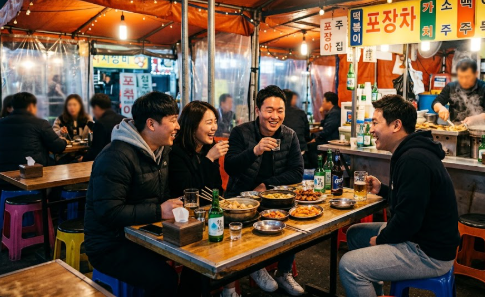
Stepping into Gwangjang Market is like entering a historical food wonderland. As one of Korea’s oldest traditional markets, it’s an absolute must-visit for street food enthusiasts. Famous for its communal dining experience, you’ll find rows of vendors serving up iconic dishes that have stood the test of time. Be prepared to sit shoulder-to-shoulder with locals and fellow travelers, soaking in the lively atmosphere.
- What to Eat: *Bindaetteok* (mung bean pancakes), *Mayak Gimbap* (addictive mini seaweed rice rolls served with a special mustard sauce), *Tteokbokki* (spicy rice cakes), and various types of *sundae* (Korean blood sausage).
- Practical Tip: Most stalls only accept cash. Weekends can be very crowded, so consider a weekday visit for a slightly calmer experience.
Myeongdong Street
While Myeongdong is primarily known as a shopping mecca, it transforms into an expansive open-air food festival everyday. Myeongdong Street offers a more modern and diverse array of street food, often catering to both local and international tastes. The sheer variety here is astonishing, with new trends constantly emerging alongside beloved classics.
- What to Eat: From grilled lobster and jumbo shrimp to classic *tteokbokki*, *dakkochi* (chicken skewers), *hotteok* (sweet pancakes), and unique creations like cheese-pull skewers and tornado potatoes.
- Practical Tip: Many stalls accept card payments here, unlike traditional markets.
Namdaemun Market
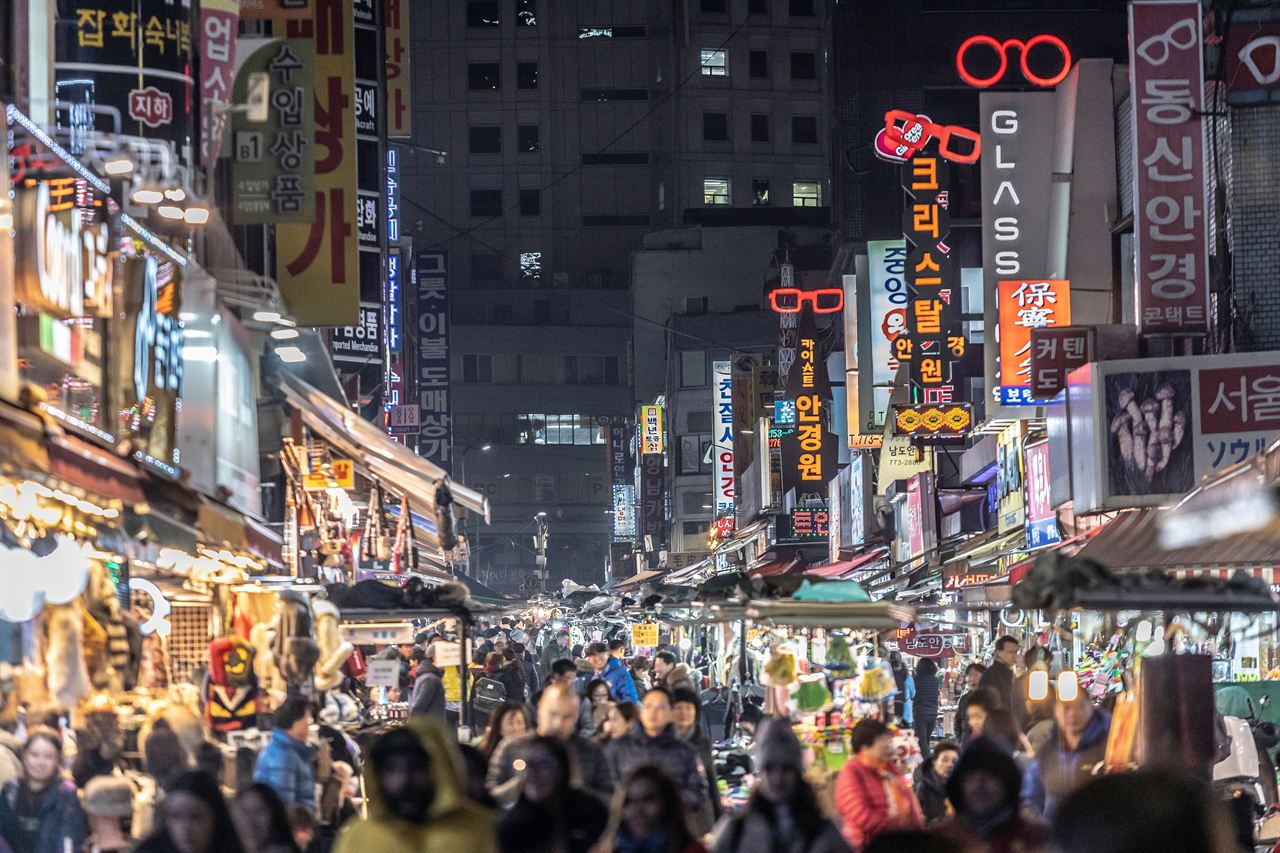
Another historic gem, Namdaemun Market offers a more traditional and authentic street food experience, often frequented by locals. Beyond its vast array of goods, the market’s alleys hide numerous food stalls and small restaurants serving hearty, budget-friendly meals. It’s a great spot to see daily life unfold while enjoying delicious snacks.
- What to Eat: Famous for *kalguksu* (handmade knife-cut noodles), *jokbal* (pig’s trotters), *mandu* (dumplings), and a wide selection of traditional Korean snacks.
- Practical Tip: Namdaemun is particularly vibrant during the day, making it a great lunch spot. Explore the side alleys for hidden food gems.
Hongdae (Hongik University Street)
Hongdae is the epicenter of youth culture, art, and indie music in Seoul, and its street food scene reflects this energetic vibe. Expect innovative and trendy snacks alongside perennial favorites, often served with a creative twist. The area truly comes alive in the evening, with street performers adding to the dynamic atmosphere.
- What to Eat: Popular for *tteokbokki*, *dakkochi*, *gyeranppang* (egg bread), *churro* stalls, and various fruit cups. Look out for unique cafes and dessert spots here too.
- Practical Tip: Best visited in the late afternoon or evening to fully experience the bustling nightlife and street performances. Many unique food trucks also make appearances.
Essential Seoul Street Food Dishes
Diving into the world of Seoul street food means experiencing a diverse range of flavors and textures. Here are some quintessential dishes you absolutely must try.
Tteokbokki (Spicy Rice Cakes)
This iconic dish features chewy cylindrical rice cakes simmered in a fiery, sweet, and savory gochujang (chili paste) sauce, often with fish cakes (*eomuk*), boiled eggs, and scallions. It’s a staple for a reason – comforting, addictive, and perfect for a chilly evening.
Eomuk Tang (Fish Cake Soup)
Skewers of various fish cakes served in a hot, clear, savory broth, often seasoned with radish and seaweed. This warm and comforting soup is a popular choice, especially during colder months, and often served with a small cup of the broth. You pay by the number of skewers you eat.
Gyeranppang (Egg Bread)
A slightly sweet, fluffy loaf of bread with a whole egg baked inside. It’s a simple yet incredibly satisfying snack, offering a delightful combination of sweet and savory flavors. Perfect for a quick breakfast or a light snack.
Hotteok (Sweet Syrupy Pancake)
A sweet, pan-fried pancake filled with a molten mixture of brown sugar, cinnamon, and sometimes crushed nuts. Crispy on the outside and wonderfully gooey on the inside, *hotteok* is a beloved winter treat.
Bungeoppang (Fish-Shaped Pastry)
These charming, fish-shaped pastries are typically filled with sweet red bean paste, though modern variations include custard cream, chocolate, or even savory fillings. They’re a nostalgic snack for many Koreans and a delightful photo opportunity for tourists.
Kimbap (Seaweed Rice Rolls)
Similar in appearance to sushi rolls, *kimbap* consists of rice and various fillings (like pickled radish, egg, spinach, carrot, ham, or beef) rolled tightly in a sheet of dried seaweed and then sliced into bite-sized pieces. It’s a convenient, healthy, and versatile snack.
Dakkochi (Chicken Skewers)
Grilled chicken skewers marinated in a savory or spicy sauce, often interspersed with green onions. These tender and flavorful skewers are a popular grab-and-go option, perfect for satisfying a meat craving.
Sundae (Korean Blood Sausage)
This traditional Korean sausage is made by steaming cow or pig’s intestines filled with a mixture of pig’s blood, glutinous rice, and various vegetables and seasonings. Often served sliced with salt or a dipping sauce, it’s a unique and essential part of the street food landscape.
Bindaetteok (Mung Bean Pancake)
A savory pancake made from ground mung beans, often mixed with various vegetables and meat, then pan-fried until golden and crispy. It’s a hearty and satisfying dish, especially popular at traditional markets like Gwangjang.
Navigating Seoul’s Street Food Scene
Getting around Seoul to explore its diverse street food offerings is straightforward, thanks to its excellent public transportation system.
Seoul Subway System
The Seoul Metropolitan Subway is the most efficient and convenient way to reach almost any street food hotspot. It’s clean, punctual, and well-signposted in both Korean and English.
- Practical Tip: Purchase a T-Money card upon arrival (available at convenience stores and subway stations). Load it with funds, and you can tap on and off subways and buses, often at a discounted fare compared to single-use tickets.
- Routes: To Gwangjang Market (Jongno 5-ga Station, Line 1), Myeongdong (Myeongdong Station, Line 4), Namdaemun Market (Hoehyeon Station, Line 4), Hongdae (Hongik University Station, Line 2, Airport Railroad, Gyeongui-Jungang Line).
Public Buses
Seoul’s bus network is extensive and covers areas not directly serviced by the subway. While potentially more confusing for first-timers, they offer a great way to see the city.
- Practical Tip: T-Money card also works on buses. Use navigation apps like KakaoMap or Naver Map for real-time bus routes and schedules.
Walking
Many street food areas, once you arrive by subway or bus, are best explored on foot. This allows you to discover hidden stalls and soak in the local ambiance at your own pace. Wear comfortable shoes!
Navigation Apps
Essential for navigating Seoul:
- KakaoMap or Naver Map: These are the most accurate and reliable navigation apps in Korea, providing excellent public transport directions, walking routes, and real-time traffic updates. Google Maps is less effective for public transport in Korea.
Insider Tips for Your Seoul Street Food Journey
To make the most of your Seoul street food experience, keep these practical tips in mind.
Cash is King
While some modern stalls in areas like Myeongdong accept card payments, many traditional market vendors and smaller street stalls operate on a cash-only basis. Always carry small denominations of Korean Won (KRW) to ensure you can sample everything you desire.
Go with an Empty Stomach and Friends
Street food is all about variety. Going hungry allows you to try more dishes without getting full too quickly. Even better, bring friends! Sharing different dishes is a fantastic way to sample a wider range of flavors and experience the communal joy of Korean dining.
Best Time to Visit
Evening is generally the prime time for Seoul street food, especially in bustling areas like Myeongdong and Hongdae, when vendors are in full swing and the atmosphere is electric. Traditional markets like Gwangjang and Namdaemun are vibrant throughout the day, making them great for lunch as well.
Hygiene Tips
Look for stalls that are busy and have a high turnover of food; this often indicates freshness. Observe how food is prepared and handled. Most Korean street food vendors maintain good hygiene standards, but it’s always wise to choose popular and clean-looking establishments.
Cultural Etiquette
It’s common to eat street food while standing or perched on small stools around a communal table. While eating on the go is acceptable, try to avoid walking while eating extremely messy foods. Don’t be afraid to point at what you want if there’s a language barrier; vendors are generally friendly and accustomed to international visitors.
Language Barrier
Most popular street food areas have vendors who understand basic English or have picture menus. However, knowing a few basic Korean phrases like “Juseyo” (Please give me) or “Igeo eolmayeyo?” (How much is this?) can enhance your experience. A translation app on your phone can also be very helpful.
Beyond Seoul: Regional Street Food Worth a Detour
If your trip continues outside the capital, each region has snacks you won’t find done the same way in Seoul:
- Busan: ssiat hotteok (hotteok stuffed with seeds) around Nampo-dong, fish-cake skewers in Gukje Market’s food alley, and the Bupyeong Kkangtong night market.
- Jeonju: snack stalls in the Hanok Village, the weekend night market at Nambu Market, and PNB choco pies from Poongnyeon Bakery as a take-home treat.
- Daegu: napjak mandu (flat dumplings) and other snacks at Seomun Market, whose night market is one of the biggest in Korea.
- Gangneung and Sokcho: dakgangjeong (sweet, crispy fried chicken), ojingeo sundae (stuffed squid) and gamja jeon (potato pancake) at the central markets.
Where to Stay for Street Food Access
Choosing the right accommodation can significantly enhance your Seoul street food adventure by putting you in close proximity to the culinary action.
Myeongdong / Euljiro
- Why: Central location with excellent subway access to all major attractions and street food hubs. Myeongdong itself becomes a massive street food market in the evenings.
- Budget Range: Offers a wide range from budget guesthouses to luxury hotels.
- Accessibility: Directly connected to Myeongdong Station (Line 4) and Euljiro stations (Line 2 & 3), making city-wide travel easy.
Hongdae / Sinchon
- Why: Best for those seeking a lively, youthful atmosphere with trendy street food, unique cafes, and vibrant nightlife. Close to Hongik University.
- Budget Range: Predominantly mid-range hotels, guesthouses, and hostels, popular with younger travelers.
- Accessibility: Hongik University Station (Line 2, Airport Railroad, Gyeongui-Jungang Line) offers convenient connections to other parts of Seoul and Incheon Airport.
Insadong / Jongno
- Why: Combines traditional Korean culture with proximity to Gwangjang Market and other historic sites. Great for experiencing traditional flavors.
- Budget Range: A mix of boutique hotels, traditional guesthouses (hanok stays), and mid-range options.
- Accessibility: Close to Anguk Station (Line 3) and Jongno 3(sam)-ga Station (Lines 1, 3, 5), providing excellent metro access.
In Conclusion
Embarking on a journey through Seoul street food is truly a highlight of any trip to the South Korean capital. It’s an immersive cultural experience that engages all your senses – from the intoxicating aromas wafting through bustling markets to the vibrant sights of sizzling stalls and the joyous sounds of people savoring their meals. With this guide, you’re now equipped to confidently explore the top hotspots, identify must-try dishes, navigate the city with ease, and embrace local customs. So, grab your T-Money card, prepare your palate, and dive into the incredible, diverse, and utterly delicious world of Seoul’s street food. Your epic culinary adventure awaits!
Discover more from Korea Visiting
Subscribe to get the latest posts sent to your email.