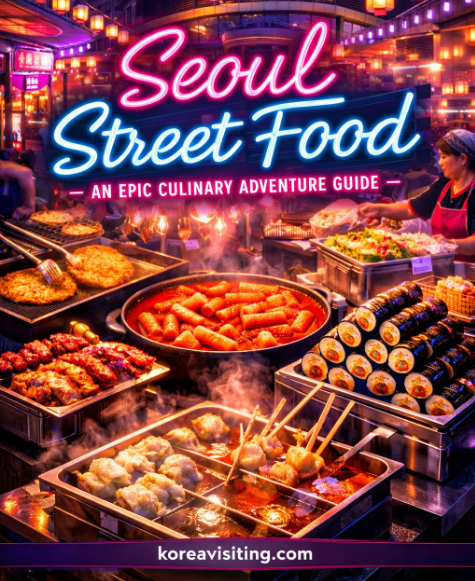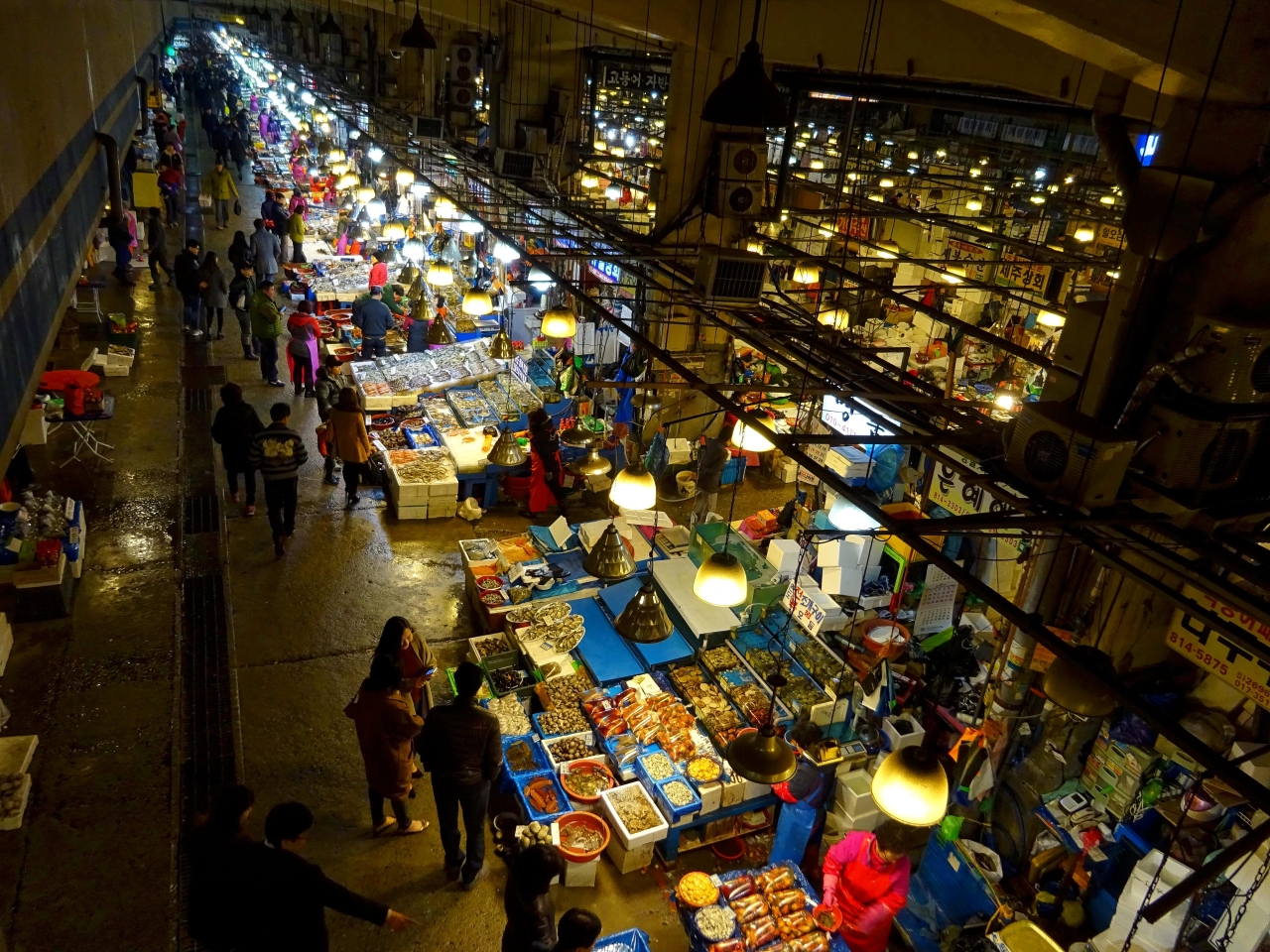
Few experiences capture the heart and soul of South Korea quite like immersing yourself in its vibrant late-night pojangmacha culture. These iconic tented street stalls, glowing under the city lights, are more than just places to eat; they are social hubs, comfort zones, and stages for authentic Korean nightlife. Whether you’re a seasoned traveler or a first-time visitor, understanding what to order and mastering the unspoken rules of etiquette is key to unlocking the full magic of these pop-up culinary havens. From the sizzling hot plates to the clinking soju glasses, pojangmacha offer an unforgettable glimpse into local life, providing warmth and deliciousness long after other establishments have closed. Get ready to pull up a plastic stool and dive deep into this quintessential Korean experience.
Top Attractions
The Irresistible Charm of Late-Night Pojangmacha Culture
Pojangmacha aren’t simply uniform eateries; they come in various forms, each offering a slightly different ambiance and experience. Understanding these nuances is part of mastering late-night pojangmacha culture.
The Classic Street Stall Experience
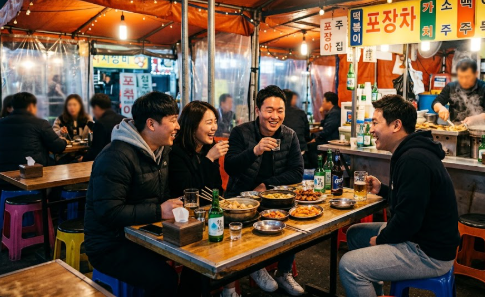
These are the quintessential red or orange tented stalls found lining busy streets, often clustered together. Characterized by their plastic stools, communal tables, and open kitchens, they offer an immediate, bustling, and often boisterous atmosphere. The air is thick with the aroma of grilling food and the sound of laughter and clinking glasses. This is where you’ll find the most traditional menus and the most authentic, no-frills experience.
Tent-Bar Pojangmacha: Cozy & Intimate
While less common than the classic street stalls, some pojangmacha operate more like mini, temporary bars, often with a slightly more enclosed feel. They might offer a wider range of alcoholic beverages and a cozier, more intimate setting, ideal for deeper conversations. These often pop up in popular nightlife districts and cater to groups looking for a more relaxed, but still authentic, late-night hangout.
Modern, Upscale Pojangmacha: A New Twist
In recent years, a new wave of pojangmacha has emerged, often found in more permanent structures or as part of trendy dining areas. These retain the spirit of the traditional stalls but offer a more polished interior, sometimes a broader menu, and often higher prices. While they might lack some of the raw, rustic charm, they provide a comfortable entry point for those less accustomed to street dining, without sacrificing the core appeal of pojangmacha culture.
Food & Local Cuisine
Must-Order Dishes for Your Pojangmacha Experience
The heart of late-night pojangmacha culture lies in its incredibly diverse and comforting menu, designed to pair perfectly with drinks and good company. Here’s a rundown of essential orders to try:
Spicy & Comforting Stews (Jjigae)
A warm, bubbling stew is the ultimate comfort food, especially on a chilly night.
* Kimchi Jjigae (김치찌개): A classic, hearty stew made with aged kimchi, tofu, pork (or tuna), and vegetables. It’s spicy, savory, and incredibly satisfying.
* Sundubu Jjigae (순두부찌개): Silky soft tofu stew, usually spicy, often with seafood, egg, and vegetables. A lighter, but equally flavorful option.
* Budae Jjigae (부대찌개 – Army Stew): While often a larger restaurant dish, some pojangmacha offer a simplified version. It’s a flavorful stew with ham, sausage, ramen noodles, baked beans, and kimchi – a fusion born from post-war ingenuity.
Skewers and Grilled Delights (Kkochi & Gui)
Perfect for sharing and easy to eat, grilled items are pojangmacha staples.
* Dak Kkochi (닭꼬치): Grilled chicken skewers, often coated in a sweet and spicy gochujang sauce. A hugely popular and delicious snack.
* Gopchang Gui (곱창구이): Grilled beef intestines, known for their chewy texture and rich, savory flavor. Often served with a dipping sauce and fresh garlic. A more adventurous but highly rewarding choice.
* Jjukkumi Bokkeum (쭈꾸미볶음): Spicy stir-fried webfoot octopus, usually served on a sizzling plate. It’s chewy, fiery, and addictive, especially when paired with a cold beer.
Fried Favorites (Twigim)
Crispy, crunchy, and often served with a soy-based dipping sauce, fried dishes are ideal drinking snacks.
* Modum Twigim (모듬튀김): An assortment of fried items, typically including vegetables (sweet potato, perilla leaf), shrimp, and glass noodles wrapped in seaweed (gim-mari).
* Eomuk / Odeng (어묵/오뎅): Fish cake skewers, often simmered in a savory broth. While not fried, they are a ubiquitous and essential pojangmacha item, perfect for a quick, warm bite.
Noodles and Rice Dishes
Filling and flavorful, these are excellent for soaking up alcohol or simply enjoying as a meal.
* Ramyeon (라면): Instant noodles cooked right there on a portable burner, often with added egg, scallions, or even cheese. The ultimate late-night comfort food.
* Udong (우동): Thick wheat noodles in a clear, savory broth, often topped with fish cakes and scallions. A milder alternative to ramyeon.
* Gimbap (김밥): Seaweed rice rolls, similar to sushi but typically filled with cooked ingredients like egg, ham, pickled radish, and spinach. A convenient and portable snack.
Classic Korean Bar Snacks (Anju)
Dishes specifically designed to accompany alcoholic beverages.
* Golbaengi Muchim (골뱅이무침): Spicy seasoned whelk salad, typically mixed with noodles, fresh vegetables, and a fiery gochujang dressing. Refreshing and incredibly stimulating.
* Jeon (전): Savory Korean pancakes. Popular varieties include Pajeon (파전 – scallion pancake, often with seafood), Kimchi Jeon (김치전 – kimchi pancake), or Haemul Jeon (해물전 – seafood pancake).
* Tteokbokki (떡볶이): Chewy rice cakes stir-fried in a rich, spicy gochujang sauce, often with fish cakes, boiled eggs, and scallions. A Korean street food icon.
Essential Drinks: Soju, Makgeolli, and Beer
No pojangmacha experience is complete without drinks.
* Soju (소주): The clear, potent rice liquor is the undisputed king of pojangmacha drinks. Usually served chilled in small glasses.
* Makgeolli (막걸리): A milky, lightly carbonated rice wine, often served in a traditional bowl. It has a slightly sweet and tangy flavor, making it a smoother alternative to soju.
* Maekju (맥주): Korean beer, often enjoyed neat or mixed with soju to create a “Somaek” (소맥).
Getting There & Getting Around
Navigating Late-Night Pojangmacha Culture: Finding Your Spot
Finding and experiencing late-night pojangmacha culture is part of the adventure. They are ubiquitous, but certain areas are known for their concentrations.
Where to Find Pojangmacha Hotspots
Pojangmacha can be found almost anywhere in South Korea, especially in urban areas. However, certain districts are particularly famous for their vibrant street food scenes:
* Seoul: Jongno 3-ga (종로3가) is legendary for its dense concentration of tented pojangmacha, especially behind the main road. Euljiro (을지로) also offers a great selection, often frequented by office workers. Gangnam and Hongdae areas will have a mix of traditional and more modern, upscale versions.
* Busan: Nampo-dong (남포동) and Seomyeon (서면) are popular spots to find bustling pojangmacha alleys, often specializing in local seafood.
* Other Cities: Most major cities will have a dedicated street or market area that comes alive with pojangmacha at night. Look for areas around major subway stations or traditional markets.
How to Spot a Good Pojangmacha
The best way to pick a pojangmacha is often to follow your nose and look for local crowds.
* Crowds are a Good Sign: A pojangmacha bustling with local patrons usually indicates good food and a lively atmosphere.
* Visible Kitchens: Most pojangmacha have open kitchens, allowing you to see the ingredients and preparation. Look for fresh ingredients and clean cooking practices.
* Menu Boards: While some have picture menus, many will have their offerings written in Korean on whiteboards or signs. Don’t be afraid to point or use a translation app.
* Vibe: Each pojangmacha has its own character. Some are quiet and intimate, others loud and boisterous. Choose one that matches the experience you’re seeking.
Ordering and Payment Basics
Ordering at a pojangmacha is typically straightforward, though a little Korean can help.
* Grab a Seat: If it’s busy, you might need to wait or squeeze in. Don’t be shy about asking if a seat is available.
* Ordering: Most owners will approach you for your order. If there’s no picture menu, you can point to dishes being prepared for other customers, use a translation app, or try a few key phrases like “Igeo juseyo” (이거 주세요 – “Please give me this”) while pointing.
* Payment: Many traditional pojangmacha, especially the smaller tented ones, prefer or even require cash. Have some Korean Won (KRW) on hand. Some may accept card payments, but it’s not guaranteed. You typically pay at the end, sometimes by calling out “Gyesan halgeyo” (계산할게요 – “I’ll pay”) or “Eolmayeyo?” (얼마예요? – “How much is it?”).
Travel Tips & Practical Info
Mastering Pojangmacha Etiquette and Practical Tips
Understanding the unwritten rules and practicalities is crucial for enjoying late-night pojangmacha culture like a local.
The Art of Sharing and Communal Dining
Pojangmacha are inherently communal spaces.
* Share Dishes: Food is almost always ordered for the table to share, not individual plates. It’s common to order several dishes and sample everything.
* Space is Limited: Be mindful of your belongings and personal space. Tables are often small, and you might be sitting elbow-to-elbow with strangers.
Drinking Etiquette: Cheers, Pours, and Refills
Korean drinking culture has specific rituals, especially with soju and makgeolli.
* Pour for Others (and be Poured For): Never pour your own drink first. Always pour for your companions, and they will pour for you. When pouring or receiving a drink, use two hands as a sign of respect, especially if there are elders present.
* Cheers (Geonbae!): Expect frequent “Geonbae!” (건배!) or “Jjan!” (짠!) – the Korean equivalent of “Cheers!”
* Empty Your Glass: Finish your glass before receiving a refill, though a half-empty glass can sometimes signal you’re still enjoying your drink without needing a top-up immediately.
* Turn Away from Elders: When drinking, especially soju, it’s customary to turn your head slightly away from elders or superiors while taking a sip as a sign of respect.
Payment Culture: Cash is King (Often)
As mentioned, always have cash. While some modern pojangmacha accept cards, the traditional ones often operate on a cash-only basis. This helps streamline transactions in their fast-paced environment. It’s also less common to split bills at traditional pojangmacha; one person often pays, and friends settle up later.
Language Barrier Navigation
Don’t let a lack of Korean deter you.
* Point and Smile: Pointing to dishes (either on a menu, in a display case, or on another table) combined with a friendly smile is often all you need.
* Translation Apps: Google Translate or Papago are invaluable for quick translations of menu items or for communicating simple requests.
* Basic Korean Phrases: Learning “Annyeonghaseyo” (안녕하세요 – Hello), “Kamsahamnida” (감사합니다 – Thank you), “Juseyo” (주세요 – Please give me), and “Eolmayeyo?” (얼마예요? – How much?) will go a long way.
Best Time to Go
Pojangmacha truly come alive in the late evening, from around 7 PM until the early hours of the morning (sometimes 4-5 AM). Peak hours are typically after dinner, around 9 PM to midnight. Visiting later might mean a more subdued atmosphere but potentially fewer crowds.
Solo Dining vs. Group Fun
While you can certainly enjoy a pojangmacha solo, it’s traditionally a group activity. The communal nature of the dishes and drinking culture lends itself well to sharing with friends, family, or even newly made acquaintances. If dining solo, stick to smaller dishes like a bowl of eomuk or ramyeon.
Where to Stay
Enhancing Your Late-Night Pojangmacha Culture Immersion
While pojangmacha are scattered throughout Korean cities, staying in areas known for their vibrant nightlife and local food scenes can significantly enhance your late-night pojangmacha culture experience, offering easy access to these fantastic stalls.
Seoul’s Pojangmacha Districts: A Glimpse
* Jongno 3-ga: If you want to be right in the heart of traditional pojangmacha alleys, staying near Jongno 3-ga (around Insadong or Ikseondong Hanok Village) offers immediate access. This area is bustling and historic, perfect for those seeking an authentic, old-Seoul vibe. Accommodation ranges from budget guesthouses to boutique hotels.
* Euljiro: Known for its retro charm and ‘hip-tro’ (hip + retro) cafes and bars, Euljiro also has fantastic pojangmacha clusters, especially popular with office workers. Staying here provides a balance of trendy spots and classic street food. Options include modern business hotels and smaller, stylish accommodations.
* Hongdae/Sinchon: These university districts are perpetually lively and filled with younger crowds. While perhaps fewer classic tented pojangmacha than Jongno, you’ll find plenty of modern street food vendors and ‘pub-style’ pojangmacha. Great for those looking for budget-friendly guesthouses, hostels, and lively nightlife.
Busan’s Coastal Pojangmacha Scene
* Nampo-dong/Jagalchi Market: Staying in this area puts you right next to Busan’s iconic fish market and a vibrant pojangmacha scene specializing in fresh seafood. It’s perfect for those who want to combine traditional market exploration with late-night feasts. Accommodation varies from budget hotels to mid-range options with sea views.
* Seomyeon: Busan’s central business and entertainment district, Seomyeon offers a dynamic mix of shopping, dining, and nightlife, including numerous pojangmacha. It’s well-connected by public transport, making it a convenient base for exploring the city. Here you’ll find everything from luxury hotels to affordable guesthouses.
Gyeonggi Province: Beyond the Capital
Cities like Suwon or Incheon, easily accessible from Seoul, also boast fantastic local pojangmacha scenes, often less tourist-heavy. Staying slightly outside Seoul can provide a different perspective and potentially more local prices. Look for accommodations near city centers or popular market areas in these cities.
In Conclusion
Embracing late-night pojangmacha culture is an essential part of any authentic Korean journey. It’s where the city’s pulse truly beats, offering a sensory feast of sizzling dishes, lively chatter, and genuine human connection. By understanding what delicious anju to order—from fiery tteokbokki to comforting ramyeon—and by respecting the convivial drinking and sharing etiquette, you’re not just eating street food; you’re participating in a beloved cultural ritual. So, venture out into the glowing tents, pull up a plastic stool, and let the warm embrace of pojangmacha culture create some of your most cherished Korean memories. Don’t just observe; immerse yourself and savor every moment of this unique nocturnal charm.
Discover more from Korea Visiting
Subscribe to get the latest posts sent to your email.