
Introduction
When people think of traditional Seoul, they usually picture royal palaces. But after walking through a palace or two, many travelers start wondering where they can actually see how people once lived—not just where kings ruled.
That’s where Bukchon Hanok Village travel comes in. On the map, it looks simple enough. In reality, Bukchon is a maze of slopes, quiet residential alleys, and hidden viewpoints. Walk in without a plan, and you’ll likely feel tired before you feel impressed. Walk it with intention, and it becomes one of the most memorable strolls in Seoul.
Bukchon Hanok Village at a Glance
- Why it’s worth visiting
Bukchon isn’t a reconstructed attraction. It’s a real residential neighborhood where hundreds of traditional hanok houses still stand between major palaces. - What you’ll see
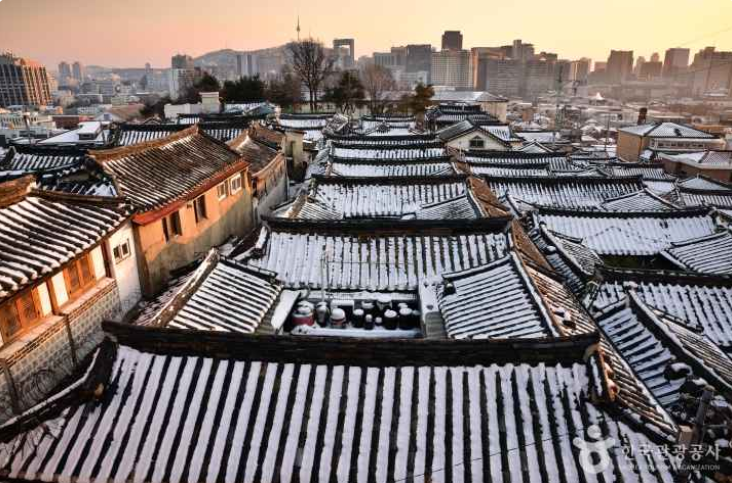
Tiled rooftops flowing down hillsides, narrow alleys, traditional craft studios, hanok cafés, and unexpected views of modern Seoul beyond the roofs. - Best time to visit
9:00–11:00 AM or after 4:00 PM. Midday is the most crowded, especially on weekends. Weekdays are far more relaxed. - How to get there
Anguk Station (Subway Line 3), Exit 2 or 3. About a 7–10 minute walk. - Opening hours
The village itself is open all day, but sightseeing is strongly discouraged outside 10:00 AM–5:00 PM in residential zones. - Official website
https://hanok.seoul.go.kr - Admission / reservations
Free to enter. Some cultural centers and hanok programs require reservations. - Important notes
This is a living neighborhood. Noise, close-up photography of homes, and entering private property are common sources of complaints. - Nearby places to combine
Samcheong-dong, Changdeokgung Palace, Gyeongbokgung Palace, and Insadong are all within walking distance.
Where to Start Your Walk in Bukchon
One of the biggest mistakes first-time visitors make during Bukchon Hanok Village travel is entering the village randomly. Bukchon is larger than it looks, and elevation changes matter more than expected.
Starting from Anguk Station Exit 2 is the most comfortable option. The slopes increase gradually, letting the scenery open up naturally as you climb. Beginning from Samcheong-dong, on the other hand, often means tackling steep uphill paths right away—tiring before the experience really begins.
Why Bukchon Feels Different from Other Historic Areas
What sets Bukchon apart is that it doesn’t feel staged. Laundry hangs in courtyards, doors are quietly shut, and daily life continues behind low walls. The village isn’t frozen in time—it’s layered with history and modern living at once.
Because of this, Bukchon Hanok Village travel is best enjoyed slowly. Rushing through turns it into just another photo stop. Walking at an unhurried pace lets you notice how the houses are positioned, how alleys curve, and how views suddenly open toward the city.
Best Photo Spots (and How to Take Photos Respectfully)
While nearly every corner looks photogenic, crowds concentrate around specific areas—especially near Bukchon-ro 11-gil. Here, rows of hanok rooftops cascade downhill, creating balanced, postcard-like compositions.
Keep your distance when taking photos. Shots that include windows, gates, or interior spaces often cause discomfort for residents. Wider alley views usually look better anyway and respect the space.
Wearing Hanbok in Bukchon: Is It a Good Idea?
Yes—but only with planning. Bukchon’s stone paths and slopes can make long skirts difficult to manage. If wearing hanbok, stick to shorter routes and combine Bukchon with flatter areas like Samcheong-dong.
Morning is the best time for hanbok photography. As the day goes on, pedestrian traffic increases, making both walking and photography more stressful.
Places Worth Stepping Inside
Most hanok homes are private, but a few cultural centers and experience spaces allow visitors inside. Visiting even one of these changes how you perceive the village.
Understanding how hanok interiors are structured—how rooms connect, how courtyards function—adds depth to your Bukchon Hanok Village travel experience beyond surface-level sightseeing.
Practical Things Visitors Often Overlook
Because tourism has increased sharply, some alleys now have restricted sightseeing hours and active monitoring. Visiting in the evening may sound appealing, but it often feels uncomfortable due to controls and heightened sensitivity.
Daytime visits, kept concise and focused, are far more enjoyable for both visitors and residents.
Where to Eat and Shop Near Bukchon Hanok Village
One of the advantages of Bukchon Hanok Village travel is that you never have to go far for a good meal or a quiet café. As soon as you start descending toward Samcheong-dong or Anguk, the atmosphere shifts from residential calm to one of Seoul’s most walkable food and shopping areas.
Samcheong-dong: Best for Cafés and Casual Meals
After walking through Bukchon’s hills, most travelers naturally head toward Samcheong-dong. This area works well because it’s flatter, full of seating options, and easy to linger in without feeling rushed.
- Tosokchon Samgyetang 토속촌 삼계탕
Famous for ginseng chicken soup. Portions are generous, and it’s especially satisfying after walking uphill. Expect lines during lunch hours. - Samcheongdong Sujebi 삼청동 수제비
Comfort food at its best. Their knife-cut noodle soup is filling without being heavy—ideal after a long walk.
For coffee breaks, Samcheong-dong’s hanok cafés are worth choosing over chain stores. Many are converted traditional houses with courtyard seating, which fits naturally into the Bukchon Hanok Village travel mood.
Samcheong-dong & Anguk: Lighter, Modern Interpretations
Closer to Bukchon and Anguk Station, you’ll find tea houses that blend tradition with a slightly more modern approach—comfortable for first-time visitors who may be new to Korean teas.
- O’sulloc Tea House
A reliable choice for high-quality Korean green tea and seasonal desserts. Less atmospheric than old hanok tea houses, but very accessible and consistent. - Small hanok-style tea cafés near Samcheong-dong often serve persimmon tea, ginger tea, and omija (five-flavor berry) tea, which are especially soothing after long walks.
These spots are ideal if you want tea without committing to a long, formal experience.
What to Order if You’re New to Korean Tea
If you’re unsure what to choose during your Bukchon Hanok Village travel break, these are safe and popular options:
- Omija tea – slightly sweet and tart, refreshing without caffeine
- Ginger tea – warming and great for tired bodies
- Jujube tea – thick, naturally sweet, and filling enough to replace dessert
Most tea houses serve traditional sweets alongside tea, which pair well without feeling heavy.
When Tea Fits Best Into Your Route
Traditional tea houses are best saved for after your Bukchon walk. Sitting on floor cushions with tired legs halfway through the village can make it hard to resume walking comfortably.
A smooth flow looks like this:
Bukchon walk → tea in Samcheong-dong → light shopping or evening stroll
This rhythm keeps the day calm and prevents fatigue from piling up.
Small Shops Worth Noticing
Between Bukchon and Samcheong-dong, you’ll find small independent shops rather than big brands. That’s part of the charm.
- Hanji (traditional paper) stationery shops
- Ceramic studios selling everyday tableware
- Small tea shops offering loose-leaf Korean teas
These stores don’t demand long visits. Even brief stops add texture to your Bukchon Hanok Village travel experience and break up the walking time naturally.
How to Plan Food Stops Without Breaking the Flow
A common mistake is planning meals too early or too late. Bukchon itself has very few dining options inside the residential area, so it’s best to finish your walk first.
A practical rhythm looks like this:
Bukchon walk → late lunch or coffee in Samcheong-dong → relaxed shopping in Insadong or return to Anguk
This way, you avoid backtracking and keep your energy level steady throughout the day.
Final Thoughts
Bukchon Hanok Village can feel ordinary if rushed, but deeply rewarding when explored with awareness. Knowing where to start, when to visit, and how to move through the alleys makes all the difference.
If this Bukchon Hanok Village travel experience leaves you wanting more, consider exploring nearby areas like Seochon or the Secret Garden of Changdeokgung next. Seoul reveals its best stories to those who walk it slowly.
FAQ
How long should I plan for Bukchon Hanok Village?
About one hour for a light walk, or up to 90 minutes if you include cultural spaces.
Is Bukchon suitable for children or elderly visitors?
Yes, but slopes can be challenging. Choose shorter routes and avoid steep sections.
Is it worth visiting on a rainy day?
Not recommended. Stone paths become slippery, and photo conditions are poor.
Key Takeaways
- Bukchon is a living residential hanok village
- Start from Anguk Station and walk toward Samcheong-dong
- Morning visits are best for photos and comfort
- Respect residents at all times
- Short, intentional routes lead to the most satisfying experience
Discover more from Korea Visiting
Subscribe to get the latest posts sent to your email.