This Gyeongbokgung Bukchon Insadong one day itinerary walks you through Seoul’s most iconic historic district in a realistic, unhurried sequence, from a Joseon-era palace to hillside hanok alleys to a craft-filled cultural street. All three sites sit within roughly a 1.5km stretch of Jongno-gu, which is exactly why they get paired together so often — but that proximity is also why itineraries get overpacked, leaving travelers exhausted by 3pm. This plan is built around actual walking times, the physical reality of Bukchon’s hills, and honest pacing rather than cramming in every possible stop.
Key Takeaways
- The Gyeongbokgung Bukchon Insadong one day itinerary covers about 1.5km total distance but easily fills a full 8–9 hour day once you factor in palace time, hills, and meals.
- Gyeongbokgung Palace alone deserves at least 2–3 hours, especially if you catch the Royal Guard Changing Ceremony at Gwanghwamun Gate.
- Bukchon Hanok Village‘s steep alleys and a restricted “Red Zone” (10am–5pm tourist access only) mean you should plan your route in advance and keep noise to a minimum.
- Insadong is best saved for late afternoon into evening, when its pedestrian street, teahouses, and the Ssamziegil complex come alive.
- Wearing hanbok gets you free admission to Gyeongbokgung Palace and makes for better photos in both the palace and Bukchon.
Morning — Gyeongbokgung Palace
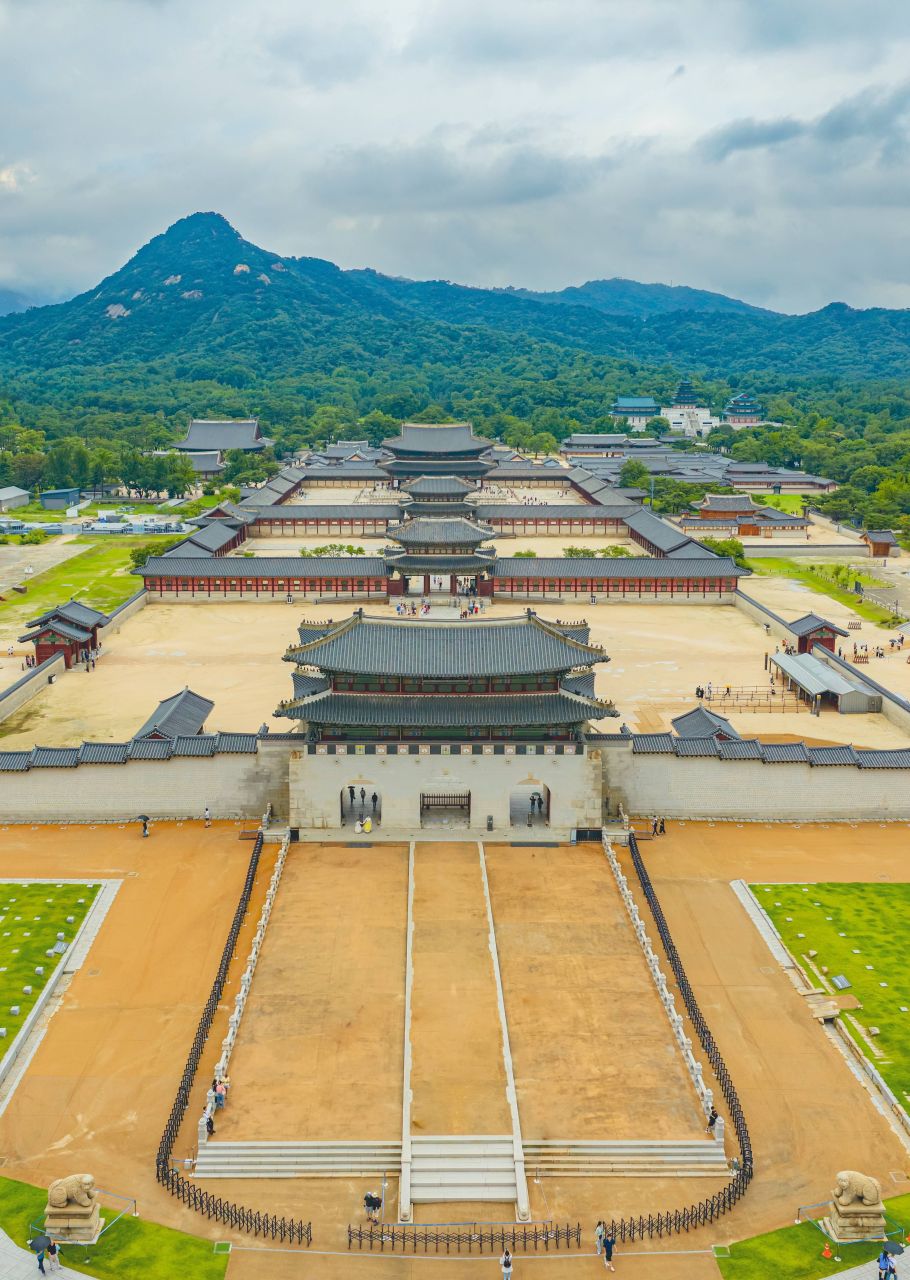
Start your day at Gyeongbokgung Palace by about 9am to get ahead of tour groups and leave enough time for its sprawling grounds — plan on 2–3 hours here, more if you linger at Gyeonghoeru Pavilion or the National Folk Museum on the palace grounds. Take Subway Line 3 to Gyeongbokgung Station (Exit 5) or Line 5 to Gwanghwamun Station (Exit 2); both put you within a short walk of the main gate.
Admission is about 3,000 KRW for adults (ages 19–64) and 1,500 KRW for youth (ages 7–18), with free entry for children under 6, seniors over 65, and anyone wearing hanbok — a popular reason to rent a hanbok for the morning. If you want the free-admission hanbok route, rent one near the palace before 9am; a 2–4 hour rental runs about 15,000–40,000 KRW as of 2026, with full-day rentals closer to 30,000–60,000 KRW.
Time your arrival at Gwanghwamun Gate for about 10am or 2pm to catch the Royal Guard Changing Ceremony, a roughly 20-minute reenactment held daily except Tuesdays. Note that Gyeongbokgung Palace is closed on Tuesdays, so this entire itinerary works better any other day of the week — Korea Tourism Organization crowd data actually shows Wednesdays as the least crowded day and Saturdays as the busiest, so a Wednesday visit is worth considering if your schedule allows it. Check the official Gyeongbokgung site before your trip, since seasonal opening hours and occasional gate closures (such as recent repair work at Yeongchumun Gate) are updated there directly.
For lunch, stay in the area rather than rushing to the next stop — the streets just east of the palace toward Insadong and around Anguk Station have casual Korean restaurants serving bibimbap, kalguksu, and set-menu hanjeongsik, letting you refuel before the hillier walk ahead.

Early Afternoon — Bukchon Hanok Village
From Gyeongbokgung, walk about 20 minutes northeast to Bukchon Hanok Village, or take the subway one stop to Anguk Station (Line 3, Exit 3) if you’d rather save your legs for the hills ahead. Budget about 1.5–2 hours here — Bukchon’s charm comes from wandering, but its terrain is genuinely hilly, with narrow uphill alleys that can be tiring after a morning at the palace, so wear comfortable shoes and pace yourself.
Bukchon Hanok Village is a living residential neighborhood, not a museum, and this matters practically: a roughly 34,000㎡ “Red Zone” centered on Bukchon-ro 11-gil restricts tourist visits to 10:00am–5:00pm only, with a fine of about 100,000 KRW for violations outside those hours (enforced since March 2025). Keep your voice down, don’t peer into open doors or windows, and stick to the main viewing points rather than every side alley — residents live here year-round.
To get away from the busiest photo spots, detour into the smaller lanes east of the main hanok cluster, or step into a quiet café tucked into a side street rather than the ones directly on the main tourist path. If you want a genuinely different pace, some travelers substitute Bukchon with Namsangol Hanok Village or Eunpyeong Hanok Village on repeat trips to Seoul, both of which see far fewer visitors.
How steep is the walk in Bukchon?
The main viewpoint streets involve a genuine uphill climb, not a flat stroll — plan extra time if you’re traveling with young children, older relatives, or anyone with mobility concerns, and consider skipping the very top viewpoint if the group is tired.
Late Afternoon to Evening — Insadong
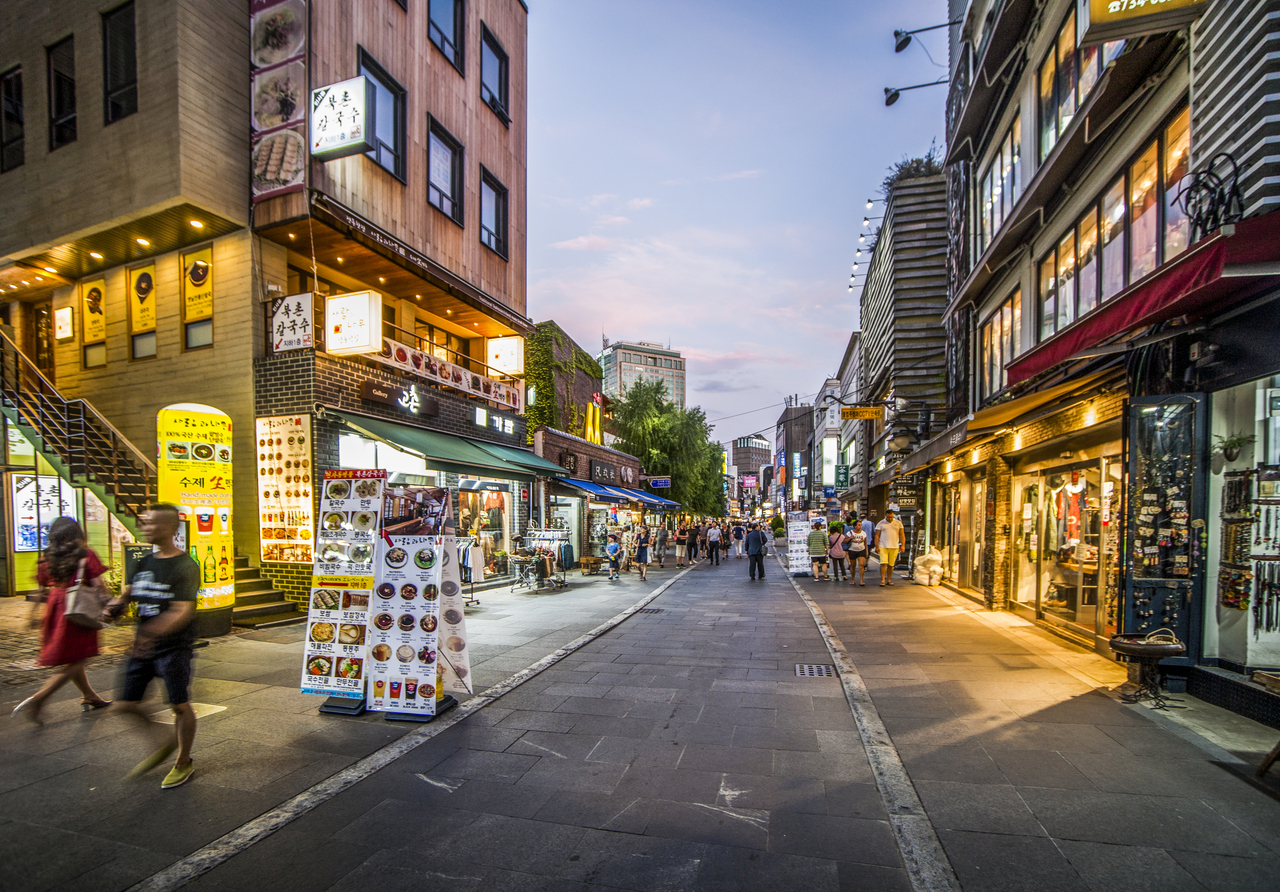
Insadong is the natural final stop of this itinerary, reachable by an easy 20–30 minute walk south from Bukchon, and it rewards a slower, browsing pace over 2–3 hours as the light softens toward evening. The main pedestrian street at Insadong Cultural Street is lined with art galleries, traditional teahouses, hanji (paper) and calligraphy shops, and street food stalls, with Hangeul-only storefront signage giving the whole street a distinct visual identity.
Don’t miss Ssamziegil, a spiral-shaped shopping complex filled with independent Korean craft and design shops — it’s one of the best places in the area to pick up souvenirs that aren’t mass-produced. If you’re around on a weekend, part of Insadong-gil closes to traffic (roughly 2pm–10pm on Saturdays and 10am–10pm on Sundays), turning the street into a full pedestrian zone with street performers, which is worth timing your visit around if you enjoy a livelier atmosphere.
For dinner, Insadong’s traditional teahouses and hanjeongsik restaurants are the natural choice to close out the day — many occupy converted hanok buildings, which ties the evening back to the traditional architecture you saw in Bukchon that morning.
Is Insadong worth visiting after Bukchon, or is it repetitive?
Insadong and Bukchon feel different enough to justify both stops in one day: Bukchon is a quiet residential hanok neighborhood focused on architecture and photos, while Insadong is a commercial cultural street built around shopping, tea culture, and street food. Visiting Bukchon first and Insadong second also works well logistically, since Insadong sits south along your natural route back toward central Seoul.
Getting Around & Practical Tips
This entire itinerary can be done almost entirely on foot, with the subway as a backup for tired legs — the three sites form a rough north-to-south line, so there’s no backtracking if you follow Gyeongbokgung → Bukchon → Insadong in order. A T-money transit card (available at any subway station or convenience store) covers subway and bus fares across the day if you decide to skip any walking segment.
Nothing on this route strictly requires advance booking, but hanbok rental shops near Gyeongbokgung fill up on weekends and during cherry blossom or autumn foliage season, so reserve a slot online or arrive early if you want a specific style. Spring (April–May) and autumn (late September–November) are the most comfortable seasons for this itinerary, since you’ll be walking outdoors and uphill for most of the day; summer heat and humidity or winter cold can meaningfully slow your pace, so build in extra rest stops if you’re visiting in July–August or December–February.
Realistically, treat this as a full day (about 8–9 hours door to door) rather than a half-day add-on to something else — travelers who try to squeeze in Changdeokgung Palace or Bukchon’s furthest side alleys on top of this route often end up rushing the palace or cutting Insadong short. If you do want to add Changdeokgung, note it’s closed on Mondays (versus Gyeongbokgung’s Tuesday closure), so the two palaces pair better across two separate days than back-to-back on one.
Frequently Asked Questions
Is it feasible to see Gyeongbokgung, Bukchon, and Insadong in one day?
Yes, and it’s the most common way visitors experience this part of Seoul, but treat it as a full day rather than a quick add-on. Budget about 2–3 hours for the palace, 1.5–2 hours for Bukchon’s hilly alleys, and 2–3 hours for Insadong, plus walking and meal time in between.
What’s the best order to visit these three places?
Start at Gyeongbokgung Palace in the morning, move to Bukchon Hanok Village in the early afternoon, and finish in Insadong in the late afternoon and evening. This north-to-south flow matches their geography and avoids backtracking, and it also means you hit Insadong when its weekend pedestrian street and evening atmosphere are at their best.
How long does it take to walk between these locations?
Gyeongbokgung to Bukchon is about a 20-minute walk (or one subway stop to Anguk Station), and Bukchon to Insadong is about a 20–30 minute walk. Neither leg requires a taxi under normal conditions, though hot or rainy weather may make the subway a more comfortable option.
Are there quieter alternatives to Bukchon Hanok Village?
Yes — Namsangol Hanok Village and Eunpyeong Hanok Village both offer a similar traditional-hanok atmosphere with noticeably fewer tourists than Bukchon. They’re better suited to a repeat visit or if you specifically want a quieter, more relaxed photo experience.
What should I know about Bukchon’s Red Zone restrictions?
A roughly 34,000㎡ area around Bukchon-ro 11-gil restricts tourist visits to between 10:00am and 5:00pm, with fines of about 100,000 KRW for violations outside those hours, enforced since March 2025. This area is a genuine residential neighborhood, so keep noise down and avoid photographing into private homes regardless of the time of day.
In Conclusion
Following this Gyeongbokgung Bukchon Insadong one day itinerary in order — palace in the morning, hanok village in the early afternoon, and Insadong toward evening — gives you a full, satisfying day without the exhaustion that comes from overpacked plans. The keys are starting early at Gyeongbokgung, respecting Bukchon’s status as a real neighborhood with restricted hours, and saving your slower, browsing pace for Insadong’s teahouses and craft shops at the end of the day. Check the official palace site for any seasonal hours or gate closures before you go, avoid Tuesdays when Gyeongbokgung is closed, and consider a Wednesday visit if you want the lightest crowds. With about 8–9 hours and comfortable walking shoes, this route delivers Seoul’s Joseon-era history, residential hanok charm, and traditional street culture in a single, well-paced day.
Discover more from Korea Visiting
Subscribe to get the latest posts sent to your email.