You step out of Noksapyeong Station, open your map, and the pin for Gyeongnidan-gil looks close. Then the lane starts to climb. Many first-timers arrive in the wrong shoes, with no plan for where to eat, and unsure whether the street is a single destination or a loose collection of side roads. Gyeongnidan-gil is the second one. It is a hillside neighborhood of small cafes, casual restaurants and quiet residential lanes, and it rewards people who walk it slowly and pick a few stops in advance.
This guide gives you seven things to do near Noksapyeong Station, in a route that keeps the uphill sections manageable. It also covers how to get there by subway and which mistakes waste the most time.
Key Takeaways
- Gyeongnidan-gil is reached from Noksapyeong Station (Line 6) Exit 2, about a 13-minute walk (788 m) to the area.
- The route climbs, so wear comfortable shoes and walk uphill first, then drift back down.
- It works best as a relaxed half-day of cafes, small restaurants and side-lane wandering, not as a checklist of sights.
- Check Naver Map for each venue’s hours before you go, because small shops often keep irregular schedules.
Gyeongnidan-gil at a Glance
- Why visit: Gyeongnidan-gil is a compact, walkable neighborhood where Seoul’s casual cafe and dining culture sits next to ordinary residential streets. It feels more local and less staged than the busier districts nearby.
- What you will see and experience: Hillside lanes, small independent cafes, casual restaurants, and views that open up as the road climbs. Expect to spend more time on foot than inside any single attraction.
- Getting there: The nearest station is Noksapyeong Station on Line 6. Use Exit 2, then walk about 13 minutes (788 m) to the area. The walk is gently uphill in places.
- Tickets and admission: The street itself is free to walk. You only pay for what you order or buy.
- Tips from past visitors: Visitors commonly say the area is best explored without a fixed schedule, and that comfortable shoes matter more than a camera. Weekend afternoons are the busiest period for cafes.
- Nearby spots worth combining: Itaewon is the neighboring district and is easy to pair with this walk. For a comparison of how a “-dan-gil” street can evolve, Yongnidan-gil, between Sinyongsan and Samgakji stations, is a useful contrast.

How to Get to Gyeongnidan-gil from Noksapyeong Station
The simplest route is Line 6 to Noksapyeong Station, then Exit 2, then a walk of about 13 minutes (788 m). Naver Map lists this as the nearest station for the area, and it is the one to build your plan around.
The subway base fare is ₩1,550 with a transit card such as T-money, or ₩1,650 with a single-journey ticket. Transfers within 30 minutes are free up to the distance-based fare, so changing to Line 6 from another line does not double your cost. If you are coming from central Seoul, a transfer to Line 6 is usually the only extra step.
Use Naver Map for walking directions, because it handles Korea’s narrow lanes and one-way streets far better than other apps. If you prefer a familiar interface, Google Maps will show the general area, but it is less reliable for exact lane-by-lane walking.
Should I walk or take a bus or taxi?
Walk if you are comfortable with a mild climb. A short taxi ride up and a walk back down is a good choice in hot or wet weather, or if you are travelling with young children or anyone who tires on slopes. Going down is easier than coming up, so ending the visit at the bottom of the hill makes the day feel lighter.
7 Things to Do in Gyeongnidan-gil
The seven stops below follow a natural uphill-then-downhill order, so you spend your energy early and finish with easy walking.
1. Walk up from Noksapyeong Station
The approach is part of the experience. Between the station and the main lanes, the streets shift from busy roads to quieter residential blocks, and you can feel the neighborhood changing character. Take it slowly and treat the first 13 minutes as a warm-up rather than a commute.
2. Explore the main lane at an unhurried pace
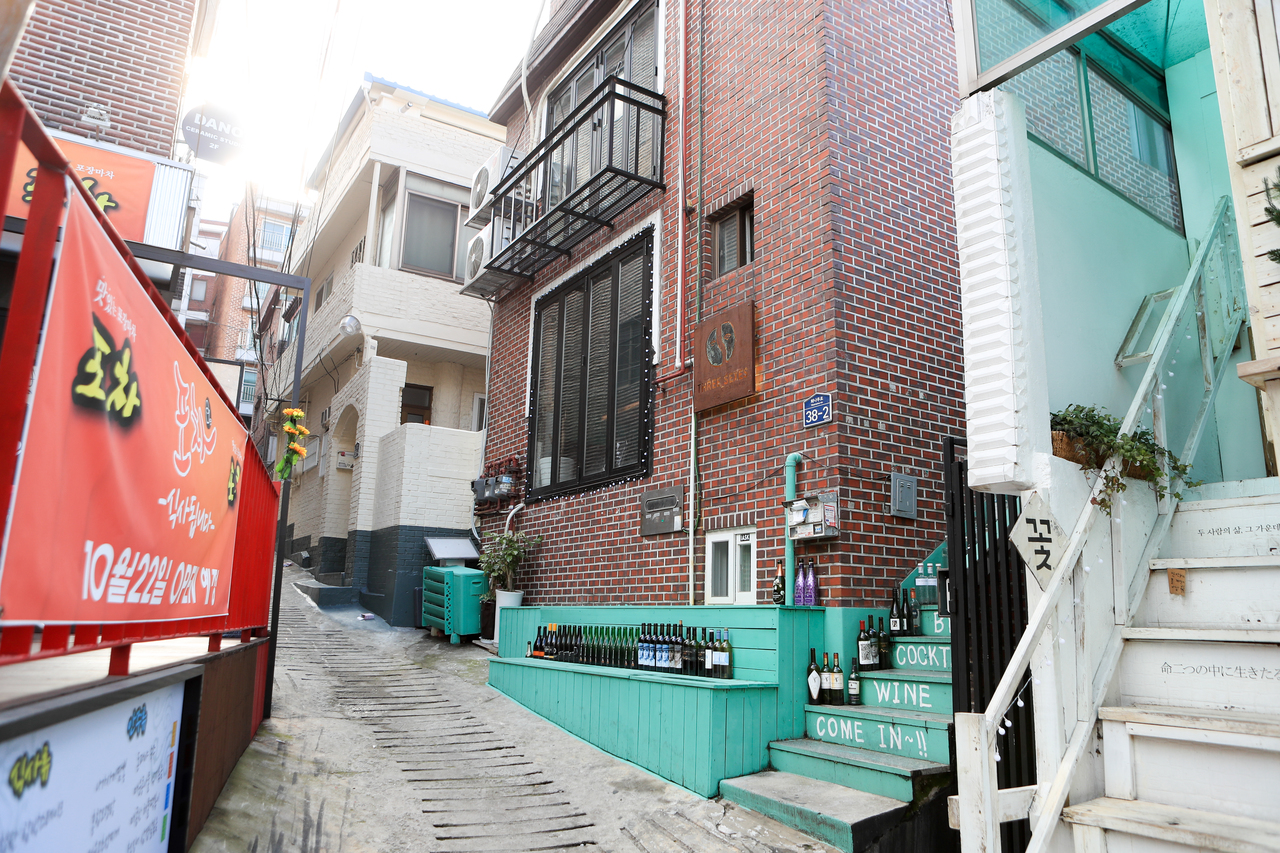
The core of Gyeongnidan-gil is a winding road lined with small businesses at street level. Instead of walking in a straight line, cross back and forth so you can see both sides. Shopfronts here tend to be small, and a lot of what makes the street interesting is tucked into narrow entrances you can miss from the opposite sidewalk.
3. Stop at an independent cafe
Small, owner-run cafes are a defining part of the area. Pick one with a seat that suits you, whether that is a window, a terrace or a quiet corner, and use it as your rest stop after the climb. Weekend afternoons fill up fast, so arrive earlier or look for a place slightly off the main road.
4. Eat at a casual neighborhood restaurant
The dining scene here leans casual and varied rather than formal. Choose a restaurant based on what you see on the menu board and how busy it is at the time, not on a rigid plan, since small kitchens can close early or sell out. Before you commit, check each venue’s current hours on Naver Map.
5. Wander the side lanes
The most relaxed moments in Gyeongnidan-gil happen one street away from the main road. Residential lanes, small shops and quiet corners reveal how people actually live here. Be respectful: keep your voice low, and avoid photographing people’s homes or doorways.
6. Look for views as the road climbs
The slope means the city opens up in places as you gain height. Pause at the turns, where you can look back down the street or across the surrounding rooftops. These are free viewpoints, and they are better in daylight or early evening than in the middle of the night.
7. Continue toward Itaewon
Because Gyeongnidan-gil sits beside Itaewon, you can finish with a longer walk or a short ride to the neighboring district for dinner, drinks or a hotel cafe. This works well if you want a second location without needing to plan far ahead.
A Simple Half-Day Route Through Gyeongnidan-gil
A relaxed half-day works best when you start at Noksapyeong Station, climb first, rest at a cafe, eat, and then drift downhill toward Itaewon. This sequence puts the steepest walking at the beginning when your energy is highest.
Begin in the late morning or early afternoon so that cafes and restaurants are open without being at their busiest. Spend roughly the first hour walking the main lane and nearby side streets. Take your cafe break before you are tired rather than after, because the better seats go quickly on weekends. Eat next, and keep the afternoon loose enough to follow whatever looks interesting.
If you have extra time, finish by walking toward Itaewon. If you are short on time, skip the extra wandering and focus on a single cafe and one meal. A shorter visit still gives you the atmosphere of the neighborhood, and the area is more enjoyable when you do not rush it.
What Makes Gyeongnidan-gil Different from Other “-dan-gil” Streets
Gyeongnidan-gil is one of several Seoul streets whose names end in “-dan-gil,” a naming habit that spread as cafe-lined neighborhoods became popular. The suffix “gil” simply means street or road, so the name points to a style of area rather than a single official zone.
Comparing it with Yongnidan-gil, between Sinyongsan and Samgakji stations, shows how different these streets can feel. Yongnidan-gil is a flatter, office-worker-driven area with a well-known restaurant scene and busy weekend waiting lines. Its popularity has also brought rising rents, and that gentrification pressure has pushed some businesses to relocate. Gyeongnidan-gil is hillier and more residential, so it feels quieter and more neighborhood-like, though it faces its own change as places open and close.
The practical lesson is that businesses in these streets come and go. A cafe a friend recommended may have moved or closed, so always verify a specific venue on Naver Map before walking to it.
Common Mistakes to Avoid in Gyeongnidan-gil
Most wasted time here comes from underestimating the hill and over-trusting an old recommendation. The mistakes below are the ones that cost first-timers the most energy.
Treating the walk as flat
The 13-minute walk from Exit 2 is not on level ground, and the slope continues once you reach the main lanes. Visitors in smooth-soled shoes or heels tend to tire quickly, and the downhill return can be hard on the knees. Wear supportive footwear and carry water.
Relying on an outdated venue list
Small neighborhood businesses change often, and older blog posts or saved pins can point to places that have closed or moved. This happens because rent pressure and short leases are common in trendy streets. Confirm the current status on Naver Map before you set off.
Arriving at peak weekend hours without a backup
Popular cafes and restaurants can have waiting lines on weekend afternoons, and small rooms have few tables. If you arrive with only one destination in mind, you may lose a long stretch of the day. Pick two or three alternatives within a short walk of each other.
Expecting a single landmark
Visitors looking for one big sight are often disappointed. Gyeongnidan-gil is an area you experience by walking, not a single attraction with a gate and a schedule. Adjust your expectations and the visit becomes much more enjoyable.
Using the wrong map app
Foreign map apps often misplace small entrances and miss one-way lanes, which leads to circling the same block. Naver Map is the more dependable choice in Korea.
Practical Tips for First-Time Visitors
Plan for a slow, flexible visit with comfortable shoes, a charged phone and a loose schedule. These small preparations make the difference between a tiring detour and an easy afternoon.
Carry a transit card so you can tap through the subway without buying single tickets. Download offline access to your map where possible, since narrow streets sometimes weaken signal. Bring a light layer, because the hillside can feel breezier than the street near the station. Keep cash or a card handy for small shops, and check that a venue accepts foreign cards before ordering if you have only one payment option.
Visitors often describe the area as most pleasant in daylight, when the lanes are easy to read and the views are clearer. In the evening, plan your route back to Noksapyeong Station or toward Itaewon before it gets dark, so you are not hunting for directions on unfamiliar slopes.
Frequently Asked Questions
How do I get to Gyeongnidan-gil by subway?
Take Line 6 to Noksapyeong Station and leave through Exit 2. From there it is about a 13-minute walk (788 m) to the area. The walk includes some uphill sections.
Is Gyeongnidan-gil free to visit?
Yes, walking the street costs nothing. You only pay for food, drinks or shopping at the places you choose to enter.
How long should I spend in Gyeongnidan-gil?
A half-day is comfortable for walking the lanes, taking a cafe break and having a meal. If you are short on time, one to two hours is enough for a quick walk and one stop.
Is Gyeongnidan-gil good for a first-time visitor to Seoul?
It suits travelers who enjoy neighborhood wandering more than big-name sights. If you have only one day in Seoul, prioritize the major attractions first and treat this as an optional relaxed addition.
In Conclusion
Gyeongnidan-gil works best as a slow, walkable half-day rather than a rushed sightseeing stop. Take Line 6 to Noksapyeong Station, leave by Exit 2, and allow about 13 minutes on foot for the climb. Start with the main lane, rest at a cafe, eat at a casual restaurant, and finish by wandering the side streets or heading toward Itaewon. Wear comfortable shoes, check each venue on Naver Map before you go, and keep a backup option for busy weekend hours. With a flexible plan and realistic expectations, this hillside neighborhood is an easy and rewarding way to see a more local side of Seoul.
Discover more from Korea Visiting
Subscribe to get the latest posts sent to your email.