If you’re standing outside Samgakji Station wondering whether the War Memorial of Korea deserves a special trip, or whether it’s better paired with something else nearby, you’re asking the right question before you’ve even left the platform. Most first-time visitors budget an hour for “a war museum” and end up staying three, only to realize afterward that Samgakji itself — the streets, alleys, and parks around the memorial — had plenty more worth seeing. Others do the opposite: they rush through the exhibits, skip the neighborhood entirely, and head straight back underground, missing a genuinely interesting slice of Yongsan-gu. The honest answer is that the War Memorial of Korea and its surroundings work best as a half-day loop, not a quick stop, and knowing what’s actually within walking distance beforehand saves you from backtracking or guessing on the spot.
Key Takeaways
- The War Memorial of Korea sits directly by Samgakji Station (Line 4 and Line 6), a roughly 4-minute subway ride from Seoul Station.
- Plan at least 2–3 hours for the museum alone if you want to see both the outdoor military equipment and the indoor exhibition halls.
- Itaewon and Yongridan-gil are both within a short walk or one subway stop, making it easy to extend the visit into a full afternoon or evening.
- Jusindang’s street art and the evolving Yongsan Park are lesser-known additions most guidebooks skip entirely.
- Namsan Seoul Tower is reachable from the same area, so the memorial can anchor a longer Yongsan-to-Namsan day.
📍 The War Memorial of Korea — Essential Information
| Address | 29, Itaewon-ro, Yongsan-gu, Seoul |
| Website | www.warmemo.or.kr |
| Map | Google Maps · Naver Map |
War Memorial of Korea at a Glance
- Why visit: It’s one of the few places in Seoul where you can grasp the scale of the Korean War and Korea’s broader military history in a single visit, using real aircraft, tanks, and artifacts rather than just photographs.
- What you’ll see and experience: Six indoor exhibition halls — including the Expeditionary Forces Room, the 6·25 Korean War Room, and the War History Room — plus a large outdoor plaza lined with fighter jets, tanks, and naval vessels, anchored by the emotional Statue of Brothers.
- Getting there: Exit Samgakji Station via Exit 11 or 12 and you’re at the gates within a few minutes on foot — no bus or taxi transfer needed.
- Tickets and admission: Free for the general exhibits; only temporary special exhibitions in rented spaces may charge a separate fee.
- Tips from past visitors: Wear comfortable shoes — the outdoor equipment yard alone takes real walking — and don’t skip the vehicle display even if you’re short on time, since it’s consistently the highlight even for a fast visit.
- Nearby spots worth combining: Yongsan Park, Itaewon, and Yongridan-gil are all within easy reach, letting you turn the museum visit into a longer neighborhood walk.

How to Get to Samgakji and the War Memorial of Korea
Samgakji Station is the fastest and simplest way to reach the War Memorial of Korea, and it’s also the gateway to everything else on this list. The station sits at the intersection of Line 4 (blue) and Line 6 (brown), so whether you’re coming from Myeongdong, Hongdae, or Itaewon, a transfer is rarely more than one stop away. From Seoul Station, the ride takes about 4 minutes on Line 4, making this one of the most convenient historical sites to reach from central Seoul without any bus connections. Exits 11 and 12 open directly onto the memorial grounds, so there’s no confusing street crossing or long approach walk involved.
If you’d rather take a bus, routes 110A, 110B, and 740A all stop at the War Memorial of Korea bus stop, which is useful if you’re coming from a neighborhood not directly on Line 4 or 6. Drivers should know that on-site parking exists but fills up quickly on weekends and during peak visiting hours, with hourly fees applying for cars and vans — so subway access is the more reliable option if you’re visiting on a Saturday or holiday.
Inside the War Memorial of Korea: Halls and Outdoor Exhibits
The War Memorial of Korea covers far more than the 1950–53 conflict, tracing Korean military history from ancient dynasties through to modern peacekeeping missions, which surprises many first-time visitors expecting a single-war museum. The six indoor halls are organized so you can move chronologically or jump straight to the 6·25 Korean War Room if that’s your primary interest — though it’s worth noting this particular hall has occasionally undergone renovation, so it’s worth checking current gallery status once you’re inside if a specific exhibit is your main draw.
The outdoor plaza is where most visitors end up spending more time than planned. Rows of decommissioned fighter jets, tanks, and a full-scale naval vessel sit in the open air, and many are set up so you can walk right up to them or climb aboard select pieces. The Statue of Brothers, a striking bronze depicting two brothers from opposite sides of the war embracing, sits at the center of the grounds and is one of the most photographed spots in the complex — worth timing your visit for softer late-afternoon light if photos matter to you.
For travelers debating whether to add an English guided tour: it’s genuinely useful here, since much of the context behind specific artifacts and dioramas isn’t obvious from the placards alone. If you’re also visiting the National Museum of Korea nearby, treat the two as separate half-day trips rather than trying to combine them — both are large enough that back-to-back visits tend to cause fatigue rather than deeper understanding.
Yongsan Park – Seoul’s Emerging Green Space Near Samgakji
Yongsan Park is still a work in progress, but it’s already becoming a quiet counterpoint to the memorial’s dense exhibits. Formerly part of a U.S. military base, the site is gradually being converted into a large public green space, and while sections remain under development, open portions offer a rare stretch of open sky and grass in this part of the city. It’s less a destination in itself right now and more a pleasant detour if you want fresh air between the museum and your next stop — a short walk from the memorial grounds lets you decompress before heading into Itaewon or Yongridan-gil. If you need a coffee break along the way, the O’sulloc Tea House Yongsan Park branch on Hangang-daero is a calm option for Jeju-style tea and desserts before continuing your walk.
Itaewon – International Dining Minutes from Samgakji
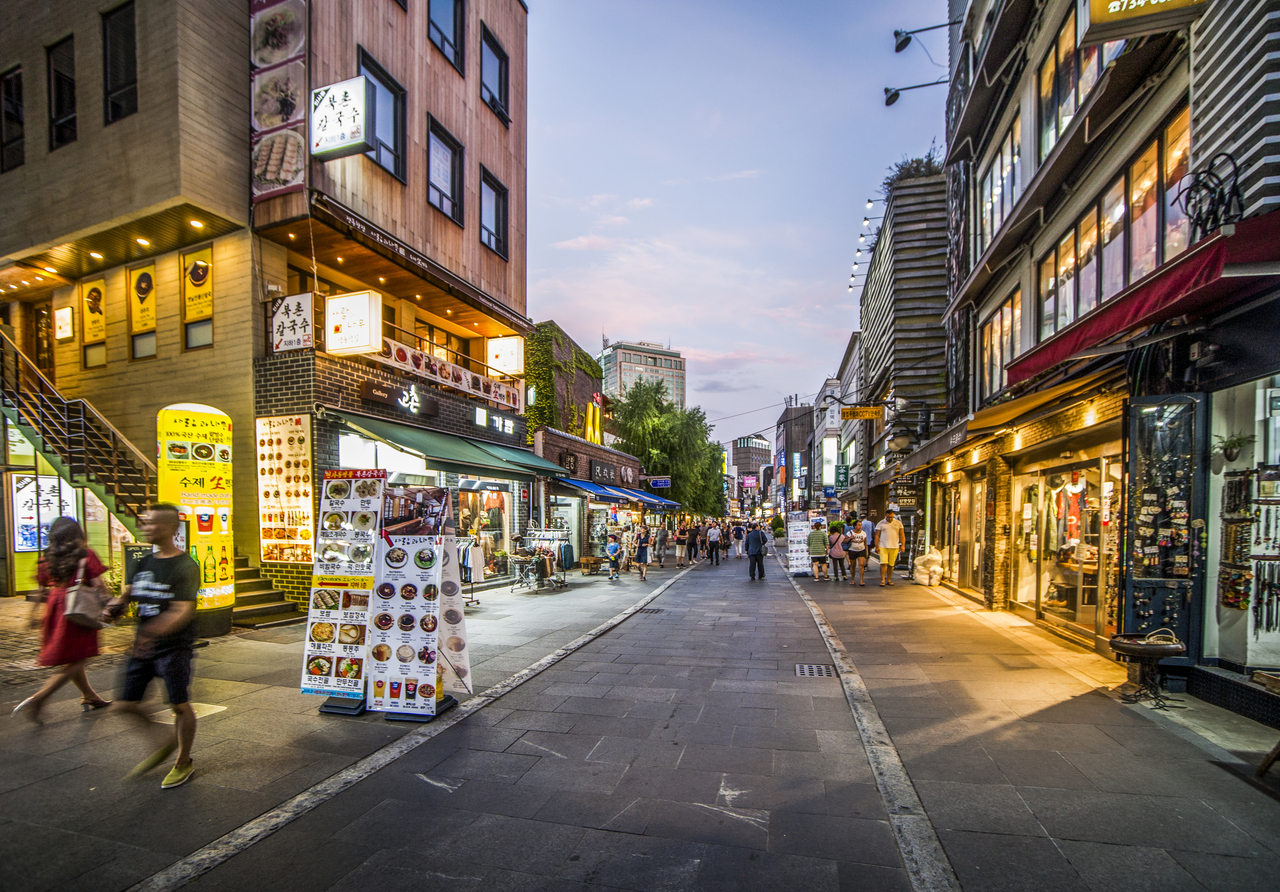
Itaewon is the most obvious extension of a War Memorial of Korea visit, and it’s close enough that walking there directly from the museum grounds is entirely realistic. This is Seoul’s most internationally diverse district, packed with restaurants spanning nearly every cuisine, along with boutique shops and a nightlife scene that shifts from quiet daytime cafes to a livelier evening crowd. If you have extra time, wander the side streets off the main strip, where boutique shops and small galleries offer a quieter contrast to the district’s busier main road. Because hours vary by individual shop here, it’s worth treating this as a flexible browsing stop rather than a fixed-time destination.
Yongridan-gil – Trendy Bars and Local Flavor
Yongridan-gil has quietly become one of Yongsan-gu’s most talked-about alleyways, and it sits close enough to Samgakji to fold naturally into the same outing. Unlike Itaewon’s international sprawl, this stretch leans into a more curated, local feel — whiskey bars, wine bars, and small restaurants that reward wandering rather than following a set itinerary. It’s a good pick for the evening half of a Samgakji day, especially if you’ve spent the afternoon at the memorial and want a change of pace that still feels distinctly Seoul rather than generic nightlife-district.
Samgakji Local Eateries and Cafes
Beyond the bigger names in Itaewon and Yongridan-gil, Samgakji itself has a smaller, more residential dining scene that’s easy to miss if you don’t know to look for it. Neungdong Minari is frequently mentioned for its pork soup made with water parsley, a comforting, slightly herbal dish that’s distinct from the more common Seoul soup styles. For something more low-key in the evening, Usotsuke is a cozy izakaya-style spot popular with locals rather than tourists, making it a good option if you want a meal that feels less staged than what you’ll find closer to the station exits. Neither requires a reservation for casual visits, but arriving before peak dinner hours helps avoid a wait.
Jusindang Street Art – Murals and Photo Spots
Jusindang is one of Samgakji’s least expected finds — a cluster of vibrant street art tucked into the neighborhood’s back streets, anchored by a striking Buddha mural that’s become a minor photo destination in its own right. It’s not signposted the way a major attraction would be, which is part of the appeal: you’re more likely to stumble onto it while wandering between the memorial and Yongridan-gil than to seek it out directly. If you enjoy discovering neighborhood art rather than following a fixed checklist, building in twenty unplanned minutes here is worth it.
Namsan Seoul Tower – Extending the Day With City Views
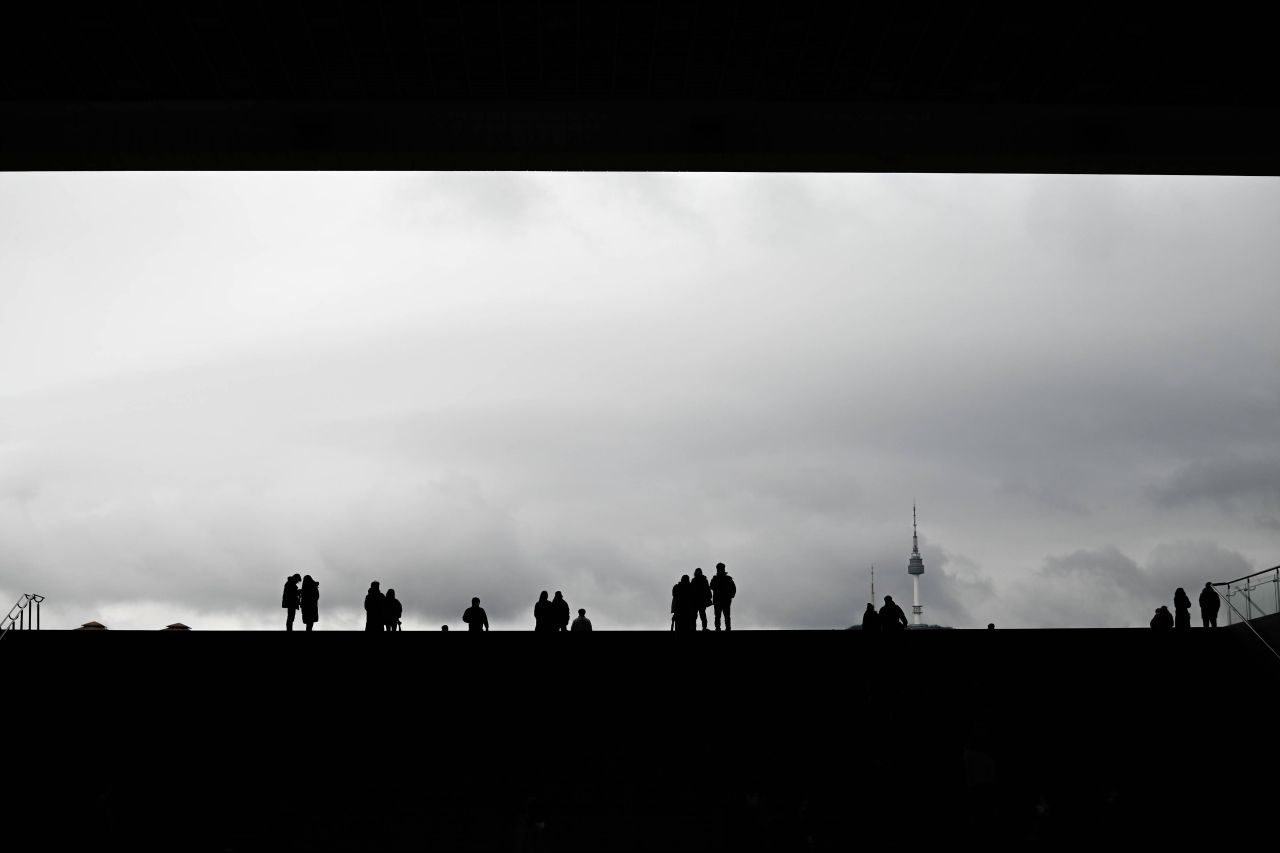
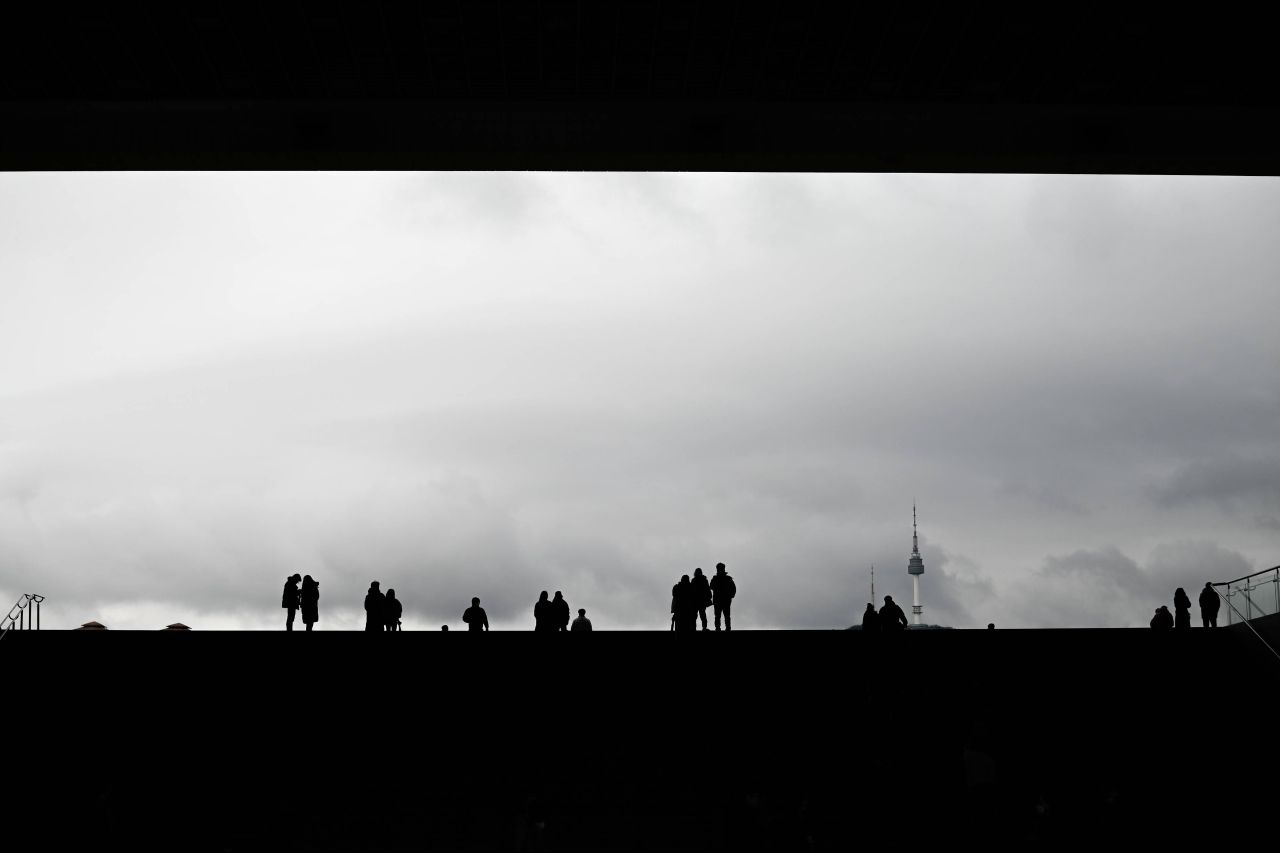
Namsan Seoul Tower makes sense as a capstone if you’re turning your Samgakji visit into a full day rather than a half-day trip. It’s reachable by bus or cable car from the broader Yongsan area, and the panoramic view over the city is a natural contrast to the ground-level history and neighborhood streets you’ve spent the day exploring. It’s not a short walk from Samgakji the way Itaewon or Yongridan-gil are, so treat it as a separate leg of the day — ideally timed for late afternoon into evening, when the skyline view transitions from daylight to city lights.
Things to Do Near Samgakji Station in One Day
A realistic Samgakji itinerary starts at the War Memorial of Korea in the morning, when the outdoor plaza is quieter and easier to photograph, and budgets a full 2–3 hours for both the indoor halls and the vehicle displays. From there, a walk into Itaewon or Yongridan-gil covers lunch and browsing, with Jusindang’s street art and Yongsan Park’s open spaces as flexible detours depending on how much time and energy you have left. Travelers who also want to fit in Namsan Seoul Tower should treat it as a separate evening plan rather than squeezing it into the same afternoon — the museum alone is dense enough that pairing it with too many other large sights in one day tends to cause fatigue rather than enjoyment. If your itinerary already includes a DMZ tour, the War Memorial of Korea still adds distinct value, since it covers the broader historical and military context that a DMZ visit alone doesn’t provide.
Frequently Asked Questions
How long should I spend at the War Memorial of Korea?
Most visitors need at least 2–3 hours to see both the indoor exhibition halls and the outdoor equipment plaza without rushing. If you’re especially interested in military history or plan to take a guided tour, budgeting closer to 4 hours gives you room to explore at a slower pace.
Is the War Memorial of Korea worth visiting if I’m already doing a DMZ tour?
Yes — the two cover different ground. A DMZ tour focuses on the physical border and ongoing division, while the War Memorial of Korea provides the historical and military context behind it, including periods well before and after the 1950–53 war.
Should I visit the War Memorial or the National Museum of Korea, or both?
Both are worthwhile, but they’re large enough that visiting both in one day usually leads to exhaustion rather than deeper appreciation. If you have limited time, treat them as separate half-day trips rather than a combined itinerary.
Does the War Memorial of Korea only cover the Korean War?
No. While the 6·25 Korean War Room is a central focus, the museum traces Korean military history from ancient times through modern peacekeeping operations, so expect a much broader historical scope than the name alone suggests.
Is it easy to reach Samgakji by public transport, and are English tours available?
Yes — Samgakji Station sits on both Line 4 and Line 6, with Exits 11 and 12 leading directly to the memorial grounds, and it’s about a 4-minute subway ride from Seoul Station. English guided tours are available and recommended if you want deeper context on specific exhibits rather than relying on placards alone.
In Conclusion
Treat the War Memorial of Korea as the anchor of a Samgakji day rather than a quick stop between subway transfers, and the neighborhood around it opens up considerably. Budget 2–3 hours for the museum itself, then let the rest of the day flex around your energy — Itaewon and Yongridan-gil for food and atmosphere, Jusindang and Yongsan Park for quieter, less-touristed moments, and Namsan Seoul Tower if you’re extending into the evening. Because everything sits within a short walk or one subway stop of Samgakji Station, there’s little need to overplan; arrive with a rough order in mind, wear shoes built for walking, and let the neighborhood fill in the rest.
Discover more from Korea Visiting
Subscribe to get the latest posts sent to your email.