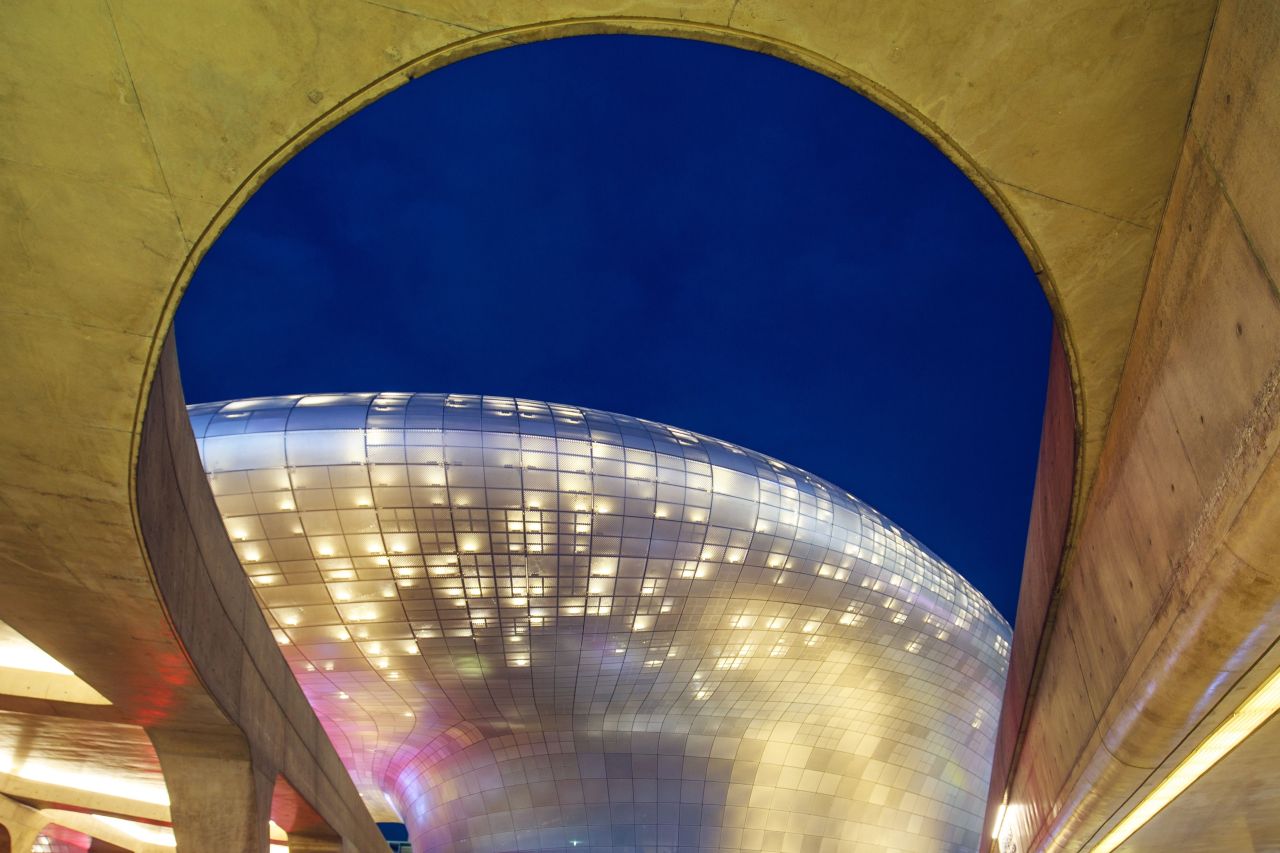
A realistic Seoul 3-day itinerary for first-time visitors groups the city into three manageable clusters — the old palace district, Namsan and Myeongdong, and one trendy neighborhood — so you’re never crossing town twice in one afternoon. This plan is built for travelers landing in Seoul for the first time who want to see the essentials (Gyeongbokgung Palace, N Seoul Tower, a hanok village) without the burnout that comes from cramming five neighborhoods into a single day. Each day has one main area, a couple of anchor sights, specific meal stops, and honest travel-time estimates so the route actually works on foot and by subway.
This isn’t a checklist to power through — it’s a paced plan with breathing room for coffee, wandering, and getting a little lost in an alley that turns out to be the best part of your trip.
Key Takeaways
- Cluster by neighborhood: Day 1 is Jongno (palace + hanok), Day 2 is Namsan/Myeongdong, Day 3 is Seongsu/Hongdae — minimizing subway backtracking.
- Pick one palace, not four: Gyeongbokgung alone is enough for a first visit; visiting multiple palaces in one trip is a common source of traveler fatigue.
- A T-money card, loaded before Day 1, covers subway, bus, and even some taxis — no need for paper tickets.
- Book Namsan cable car or hanbok rental online in advance during spring (April–May) and fall (October–November) peak season.
- Leave Hongdae or Seongsu for the evening of Day 3 — both neighborhoods come alive after dark.
Day 1 — Gyeongbokgung, Bukchon Hanok Village & Insadong
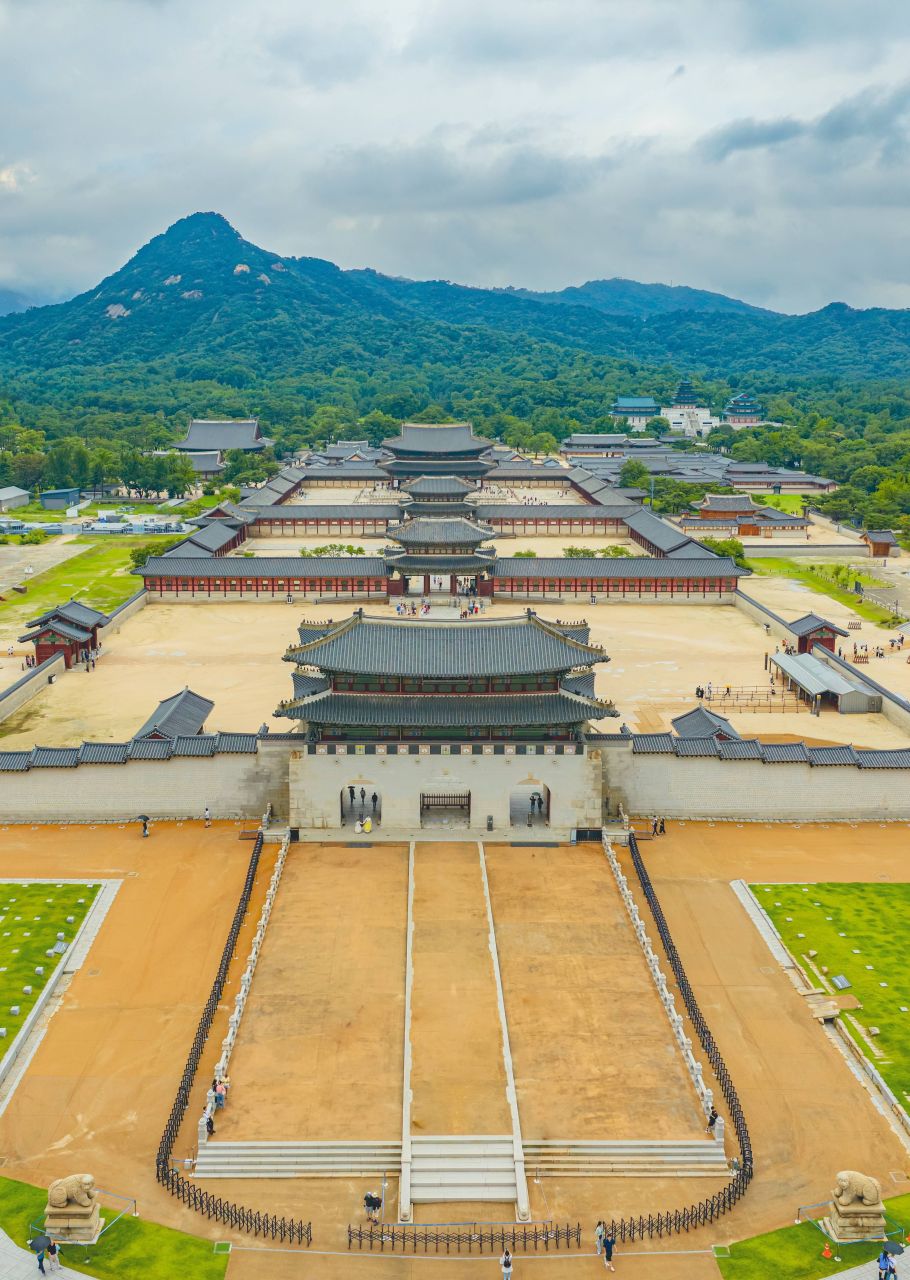
Day 1 covers Seoul’s historic core on foot, starting at Gwanghwamun Gate and ending with dinner in Insadong — about 2.5–3 km of walking total with plenty of stops along the way. Start the morning at Gwanghwamun Gate, the main entrance to Gyeongbokgung Palace. If you time it right, the Royal Guard Changing Ceremony runs around 10:00 and 14:00 at the gate and takes about 20 minutes — a good reason to plan your arrival loosely around one of these slots, though it’s worth double-checking the day’s exact schedule since it can shift for weather or holidays.
Spend about 2 hours inside Gyeongbokgung. Adult admission is 3,000 KRW, and entry is free for anyone wearing a hanbok, so renting one nearby is worth considering if you want both the photos and the fee waiver — plus free entry already applies to visitors under 7 or over 65. Confirm the palace’s current opening hours, seasonal last-admission time, and the Tuesday closure via its official website before you go, since hours shift by season.
From the palace’s north side, it’s about a 15–20 minute walk uphill to Bukchon Hanok Village, a neighborhood of traditional hanok houses with narrow lanes and photogenic viewpoints back toward the city. Budget an hour of unhurried wandering — this is a residential area, so keep noise down as you pass homes. From Bukchon, it’s another 15-minute walk (or a short taxi ride) down to Insadong, Seoul’s traditional arts-and-crafts street, good for browsing tea shops, stationery, and galleries for an hour before dinner. For dinner, Insadong and the neighboring Jongno alleys have solid options for Korean home-style food and traditional tea houses — a relaxed way to close out a walking-heavy first day.

Day 2 — Namsan, N Seoul Tower & Myeongdong
Day 2 is a half-day up Namsan Mountain followed by an afternoon and evening in Myeongdong, keeping the whole day within one compact area south of downtown. From Myeongdong Station, it’s about a 15–20 minute walk (partly uphill) to the Namsan Cable Car station; a round-trip ticket is 15,000 KRW. The cable car ride itself takes only a few minutes and drops you close to N Seoul Tower.
Budget about 1.5–2 hours at the top, including the observatory. Adult admission to the observatory is 16,000 KRW (ages 13+) — decide in advance whether the view is worth it to you, since the surrounding Namsan Park terraces and love-lock walls are free and offer their own city views. Check current hours and the cable car’s daily schedule on its official website before heading up, since seasonal adjustments happen.
Head back down by cable car and walk (or take a short taxi) into Myeongdong, about 15–20 minutes total, arriving by early-to-mid afternoon. Myeongdong is Seoul’s dense shopping and street-food strip — plan 2–3 hours for cosmetics shops, street snacks, and people-watching. For dinner, Myeongdong Kyoja is a long-running mandu and kalguksu (noodle soup) institution near the main shopping street, with mandu running 13,000 KRW — expect a line at peak dinner hours, so arrive a little early or plan for a short wait.
Day 3 — Seoul Forest, Seongsu & Hongdae Nightlife
Day 3 pairs a relaxed park-and-café morning in Seongsu with an energetic evening in Hongdae, connected by a single subway ride of about 30–40 minutes. Start at Seoul Forest, reached via Seoul Forest Station on the Suin-Bundang Line (Exit 4), about a 2-minute walk from the station. The main park is free to enter and open around the clock, though smaller attractions inside like the Insectarium or Butterfly Garden may have their own limited hours and occasional closures — check the park’s official website if you want to visit those specifically. Spend about 1.5 hours walking the park and the deer enclosure area.
The surrounding Seongsu-dong neighborhood — a former industrial district now packed with converted-warehouse cafés — has become one of Seoul’s most photographed spots for Instagram and YouTube content, largely thanks to its exposed-brick interiors and rotating pop-up stores. Budget another 1.5–2 hours here for lunch and café-hopping; arrive with an idea of one or two specific café names rather than wandering, since the area is large and spread out.
By late afternoon, take the subway from Seongsu toward Hongdae, about 27–31 minutes. Hongdae is Seoul’s university and indie-arts neighborhood, best experienced from early evening onward when street performers, small shops, and the surrounding shopping streets fill up. Plan dinner and a couple of hours wandering here as your closing evening — it’s consistently recommended by past visitors as the neighborhood that best rewards a nighttime visit rather than a daytime one.
Getting Around & Practical Tips
The single most useful preparation for this itinerary is loading a T-money card before Day 1, since it works across subway, bus, and most taxis without needing to buy paper tickets at each station. Cards are sold at convenience stores and subway machines for a small initial fee, then topped up as needed with cash.
Pace matters more than coverage: multiple experienced travelers who’ve done a similar 3-day loop suggest trimming an initial “everything” itinerary by as much as 70% to leave room for actual enjoyment rather than rushing between photo stops. This plan already builds in that slack — resist the urge to add a fourth or fifth stop to any single day.
Seasonally, April–May and October–November offer the mildest weather for this walking-heavy route; both are also cherry blossom or fall foliage season, respectively, which means Gyeongbokgung, Namsan, and Bukchon get noticeably busier — Gyeongbokgung’s own crowd data shows Wednesdays as its quietest day and Saturdays as its busiest, so shifting Day 1 to a weekday if your schedule allows is a simple way to avoid the worst of it. If you’re visiting in these peak seasons, book any hanbok rental or Namsan cable car tickets a few days ahead online rather than assuming you can walk up.
If you’d rather swap Hongdae for a more polished shopping and nightlife scene on Day 3, Gangnam is a reasonable substitute — it has its own dense retail strip (including tax-refund shops like 8Seconds (Myeongdong branch)) and a different, glossier nightlife scene than Hongdae’s indie-arts feel. And if Bukchon on Day 1 feels too crowded or too commercialized when you arrive, Namsan Hanok Village near Myeongdong is a quieter alternative worth knowing about, though it wasn’t built into this specific route.
Frequently Asked Questions
Is three days enough time to see Seoul as a first-time visitor?
Three days is enough to comfortably cover Seoul’s core highlights — one palace, Namsan/N Seoul Tower, and one trendy neighborhood — if you resist adding extra stops. It won’t cover everything (day trips like the DMZ or Suwon need extra days), but it gives a well-rounded first impression without exhausting you.
Should I visit more than one palace in this itinerary?
Most returning visitors recommend picking just one palace for a first trip rather than visiting Gyeongbokgung, Changdeokgung, and Deoksugung back to back, since the buildings and layouts feel repetitive after the first visit. This itinerary uses Gyeongbokgung as the single palace stop for that reason.
Do I need to book Gyeongbokgung Palace or N Seoul Tower tickets in advance?
During regular weekdays, walk-up tickets are typically available for both, but during cherry blossom season, fall foliage season, or weekends, booking the Namsan cable car and any hanbok rental online a few days ahead is worth the extra step to avoid long lines.
Is Bukchon Hanok Village worth visiting, or is it too touristy?
Bukchon is worth a visit for its concentration of preserved hanok architecture and hillside views, though some streets do get crowded with tourists and photo-seekers, especially on weekends. If you want a quieter alternative, Namsan Hanok Village near Myeongdong offers a similar traditional-house experience with fewer crowds.
What’s the best time of year to do this Seoul itinerary?
April–May and October–November offer the mildest walking weather and the best outdoor scenery at Gyeongbokgung, Namsan, and Seoul Forest, though these are also the busiest tourist seasons. If you prefer smaller crowds over blossoms or foliage, aim for a weekday visit to the palace specifically, since Wednesdays run noticeably quieter than weekends.
In Conclusion
This Seoul 3-day itinerary works because it respects geography over ambition — each day stays in one cluster of neighborhoods, so you spend your time actually experiencing Gyeongbokgung, Namsan, and Seongsu rather than commuting between them. Load a T-money card before Day 1, pick Gyeongbokgung as your one palace, and save Hongdae for after dark. If you’re visiting in peak spring or fall season, book hanbok rental and cable car tickets a few days ahead rather than hoping for a walk-up slot. Beyond these three days, Seoul rewards a slower return trip for neighborhoods like Gangnam or day trips to Suwon and the DMZ — but for a first visit, this pace gives you the city’s essentials without the burnout.
Discover more from Korea Visiting
Subscribe to get the latest posts sent to your email.