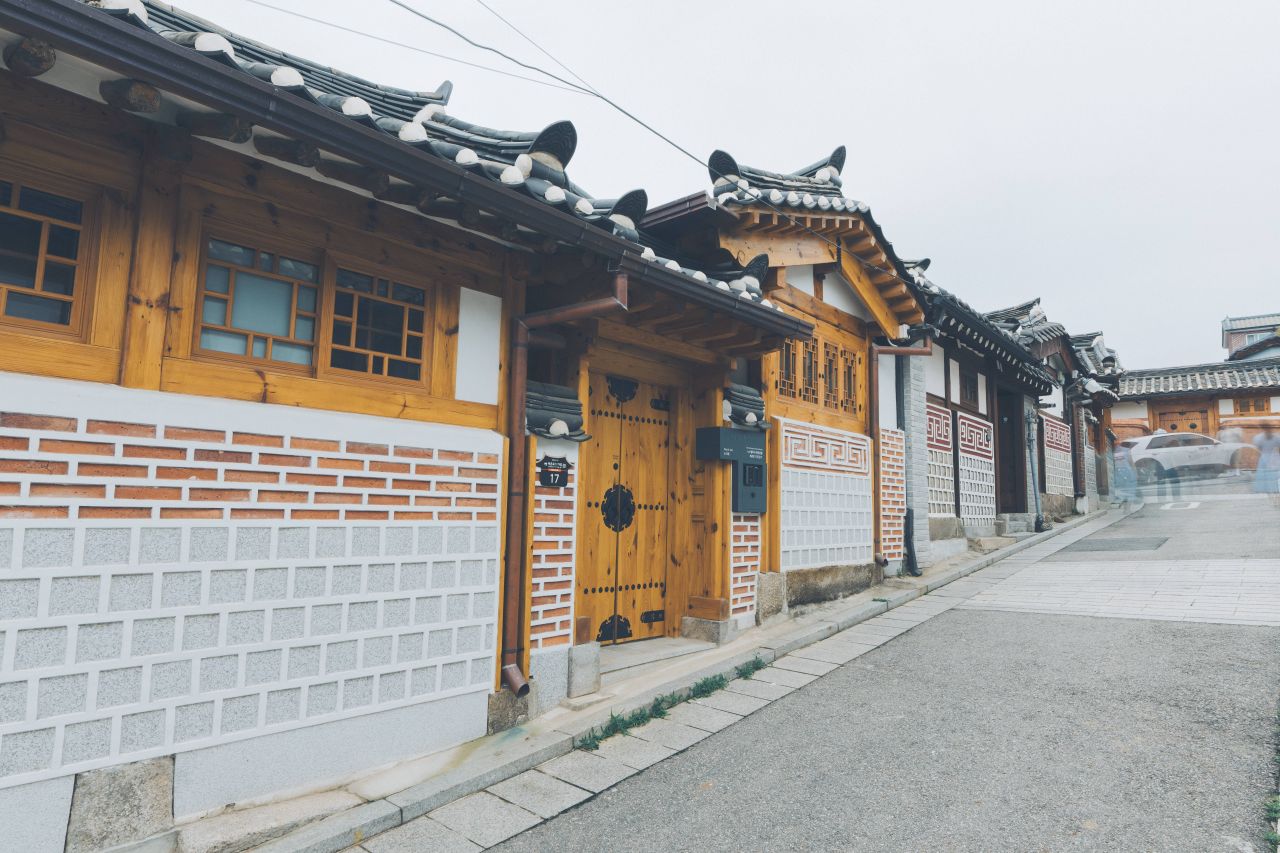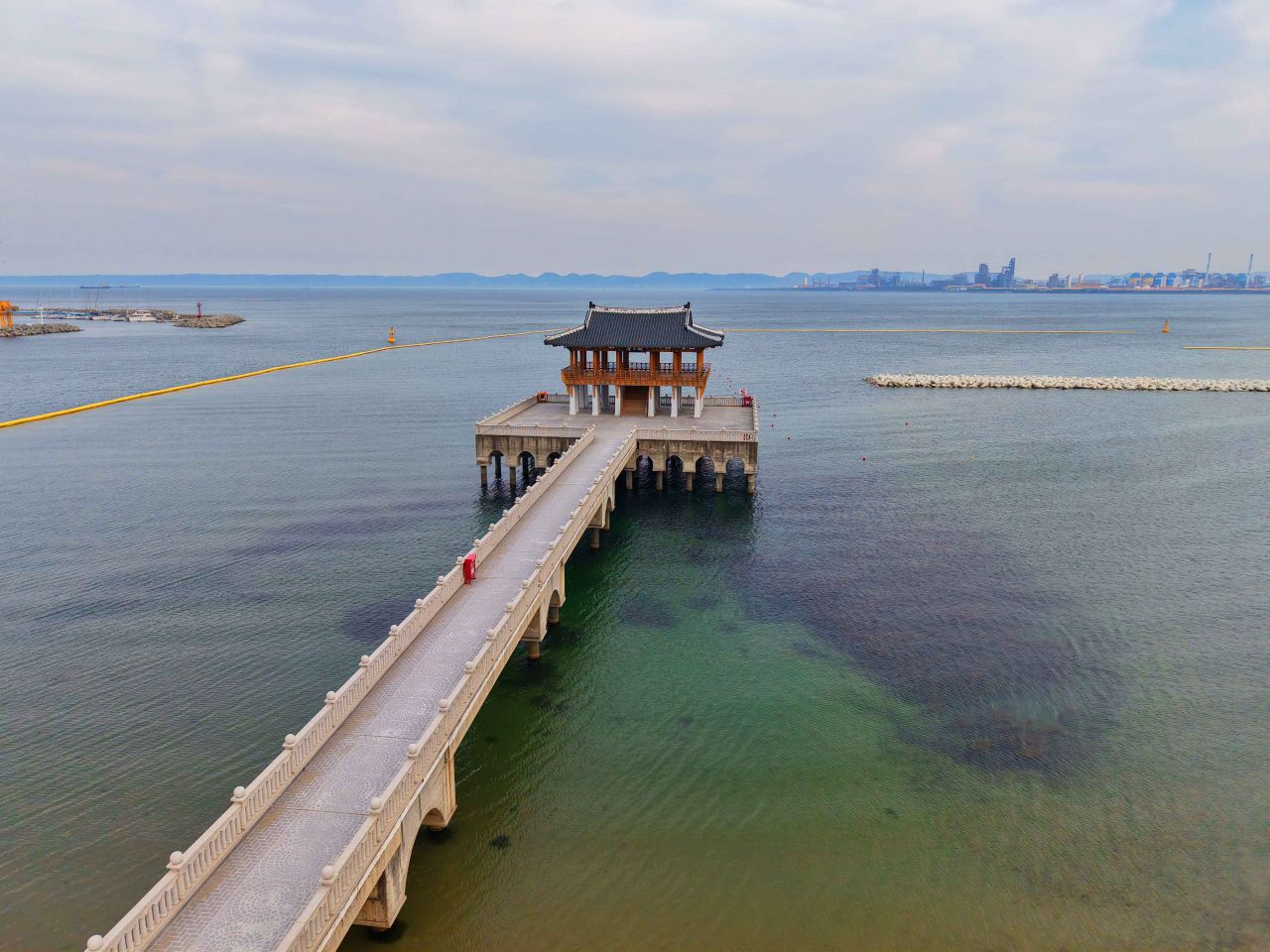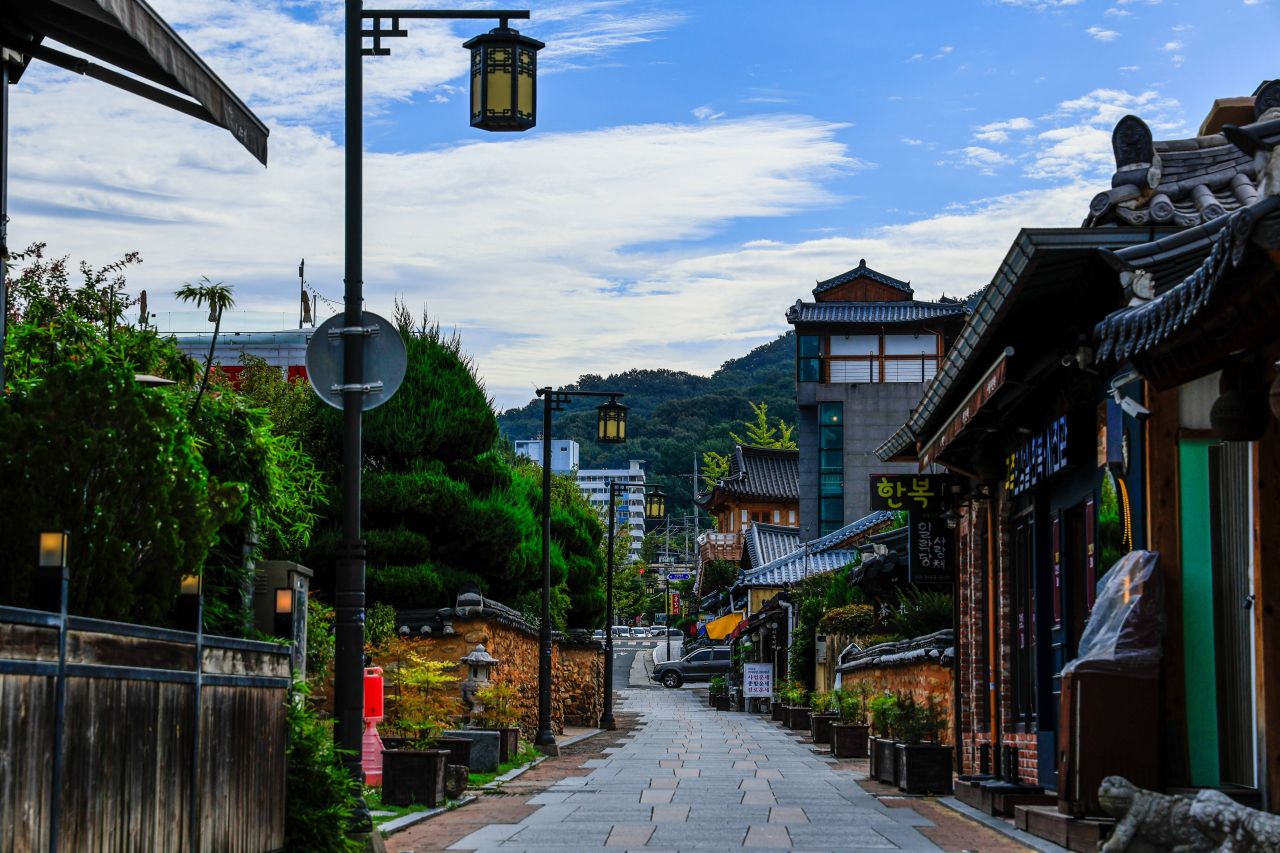
Jeonju Hanok Stays are the real reason to sleep inside Jeonju Hanok Village rather than just walk through it for an afternoon — spending a night under a heated ondol floor in a century-old wooden house is something no city hotel can replicate. By day, the village’s narrow lanes fill with hanbok-clad day-trippers and tour groups, but once the last shuttle buses leave in the early evening, the same alleys go quiet, lanterns come on, and the place finally feels lived-in rather than staged. That shift — from crowded photo backdrop to calm residential quarter — is what a hanok stay buys you, and it’s worth planning around. I’ve sorted through the village’s most talked-about hanok guesthouses to cover the full range: quiet heritage houses, budget-friendly rooms, riverside retreats, and family-sized courtyards.
Key Takeaways
- Jeonju Hanok Stays reward travelers who arrive by late afternoon and stay past sunset, when the village empties of day visitors.
- Budget hanok rooms run roughly $36–$70/night, while heritage-style houses with more privacy start around $100+.
- Ondol (heated) floors are standard, but bathrooms are often unseparated “wet rooms” — pack accordingly.
- Hosts who cook breakfast or share local tips (Eosahwa) add real value beyond the room itself.
- Book hanok stays with communal kitchens or family rooms (Gaeunchae) if traveling with kids or in a group.
Pungnamheon Old House
| Map | Google Maps · Naver Map |
| Website | Official site |
Pungnamheon Old House sits on a quiet lane just off the busiest tourist stretch, which makes it my pick for travelers who want the classic hanok silhouette — tiled roof, wooden beams, paper-screened doors — without being kept up by street noise. The house pairs traditional architecture with modern touches inside, so it doesn’t feel like roughing it. It’s priced a step above the village’s budget guesthouses, reflecting the extra privacy and upkeep, and it suits couples or solo travelers prioritizing an authentic, unhurried stay over saving every won.
Eosahwa Hanok Stay
| Map | Google Maps · Naver Map |
| Website | Official site |
Eosahwa Hanok Stay earned a listing in the Petit Futé 2026 guide, and what stands out to me is how secluded it manages to feel despite sitting in the heart of the village — a real trick given how dense the alleys get near peak hours. The host reportedly prepares breakfast for guests, which turns a simple overnight stay into something closer to a homestay experience, and reviewers consistently single out the host’s hospitality. This is my pick for travelers who want host interaction and a sense of being looked after, not just a bed for the night.
Hanok Madang
| Map | Google Maps · Naver Map |
Hanok Madang’s draw is its setting along the Jeonju stream corridor, giving it a more idyllic, less packed-in feel than stays deeper in the village’s core. It’s consistently described as charming, with hosts who go out of their way to welcome guests — the kind of small gestures that make a return-worthy stay. I’d recommend it to couples wanting a quieter edge-of-village base, and to families who appreciate a bit of breathing room between the house and the crowds.
Hanok Hyeyum
| Map | Google Maps · Naver Map |
| Website | Official site |
Hanok Hyeyum carries Korea Quality certification and centers around a peaceful garden courtyard, with traditional ondol floor heating throughout — the kind of detail that shows up repeatedly in positive YouTube walkthroughs of the property. Room options span from a private full-house suite that sleeps up to six down to smaller two-person rooms, so it flexes between a couple’s getaway and a small family or friend-group trip. Worth it if garden atmosphere and flexible room sizing matter more to you than being steps from the busiest food street.
Gaeunchae
| Map | Google Maps · Naver Map |
| Website | Official site |
Gaeunchae leans into traditional architecture and the ondol system like the others, but its practical edge is a communal kitchen and rooms that open onto courtyard views — genuinely useful if you’re staying more than a night or two and want to cook a simple meal instead of eating out for every meal. It also offers family rooms, which is rarer among the smaller hanok guesthouses in the village. This is my recommendation for families or small groups who want self-sufficiency alongside the traditional setting.
Nearby Attractions Near Your Jeonju Hanok Stay
Every hanok stay on this list sits within easy walking distance of the village’s core sights, so you don’t need transportation once you’ve checked in. Gyeonggijeon Shrine, the resting place of King Taejo’s portrait, charges ₩3,000 for adult non-resident admission, is free on the last Wednesday of each month (“Culture Day”), and half price on the fourth Saturday — worth timing your visit around if the dates line up. Omokdae, a short uphill walk from the village center, rewards the climb with a panoramic view over the hanok rooftops and is completely free. Jaman Mural Village, just across the road from the main village, is a hillside cluster of murals and converted cafés that’s far less crowded than the main lanes. For food and atmosphere, Nambu Market runs a lively night market from Friday to Saturday starting around 5 p.m. or 6 p.m., and Jeonmang Cafe’s rooftop is one of the better vantage points for photographing the tiled roofs at golden hour.
Frequently Asked Questions
Should I stay in a hanok or a modern hotel in Jeonju?
Stay in a hanok if the experience itself — heated floors, wooden architecture, a quiet village at night — is part of why you’re visiting Jeonju. If you mainly want reliable soundproofing, a private modern bathroom, and don’t mind being a short taxi ride from the village, a standard hotel elsewhere in the city may suit you better. Many travelers do one night in a hanok for the experience and stay elsewhere for the rest of the trip.
Are hanok bathrooms heated, and are they wet rooms?
Floors throughout most hanok stays are heated via traditional ondol systems, and this is one of the most-praised comforts of the experience. Bathrooms, however, are frequently unseparated “wet rooms” where the shower has no dedicated stall, so water can spread across the whole floor — pack water-resistant sandals and expect a different routine than at home.
What’s a reasonable budget for a Jeonju hanok stay?
Budget-oriented hanok guesthouses like Hanok Hyeyum’s smaller rooms run roughly $36–$70 per night, while heritage-style houses such as Pungnamheon Old House start around $100 and up for more space and privacy. Prices shift with season and room type, so treat these as a general range rather than a fixed rate.
How do I keep my hanok room’s floor clean?
Wear slippers indoors and never roll your suitcase directly onto the room’s wooden or heated floor — open the case wide near the entrance so the wheels don’t touch the floor, or wipe them down before bringing it in. This is one of the most common tips from past guests, since hanok floors show dirt and scuffs more visibly than hotel carpet.
How do I get from Seoul to Jeonju Hanok Village?
The KTX from Yongsan Station is the fastest option, taking about 1 hour 45 minutes to 2 hours and costing around ₩34,600 one way; express buses from Central City Bus Terminal run cheaper but take roughly 2 hours 40 minutes to 4 hours. From Jeonju Station, a taxi to the hanok village takes about 10 minutes, or a city bus covers the same route in around 20 minutes.
In Conclusion
Jeonju Hanok Stays span a wider range than most first-time visitors expect — from simple, budget-friendly rooms to Pungnamheon Old House’s quieter, more polished setting, with host-run stays like Eosahwa in between. Match the stay to your priorities: pick a central budget guesthouse if you’re mainly there for the photos and food, choose a garden or riverside house like Hanok Hyeyum or Hanok Madang if you want a calmer base, and go with Gaeunchae if you’re traveling as a family and need a kitchen. Most travelers find two to three nights enough to experience both the crowded daytime village and the quieter evening version after day-trippers clear out. Book directly through the property or a major platform, confirm ondol heating and bathroom setup before you arrive, and pack slippers — the floor is half the experience.
Discover more from Korea Visiting
Subscribe to get the latest posts sent to your email.