Planning the Seodaemun Prison things to see list usually starts with one worry: you step out of Dongnimmun Station, spot a gate, a park and a red-brick complex, and can’t tell which is the prison, which is free, and what you’d regret skipping. Most first-timers head straight into the prison, run out of energy, and walk past the sights around it.
Everything here sits within a few minutes’ walk of Dongnimmun Station on Line 3. Because the sights are so close together, you can fit them into one half-day without a taxi or a tight schedule. The prison itself is heavy going, so a good plan paces the heavier stops against lighter ones.
Key Takeaways
- Exits 4 and 5 of Dongnimmun Station put you at Independence Gate, the park and the prison within about 5 minutes on foot.
- Admission to the prison History Hall is 3,000 KRW for adults. Seniors 65 and over, children 6 and under, and people with disabilities enter free.
- Budget about one to two hours for the prison and add the park and the Provisional Government memorial for a relaxed half-day.
- The exhibits include torture-room scenes, so think carefully before bringing young children.
- Weekends are the busiest, so go on a weekday if you can.
📍 Seodaemun Independence Park — Essential Information
| Address | 251, Tongil-ro, Seodaemun-gu, Seoul |
| Opening hours | Open 24 hours |
| Closed | N/A (Open all year round) |
| Parking | Available |
| Best time to visit | Least crowded on Mondays; busiest on Saturdays (Korea Tourism Organization crowd forecast). Note: the prison History Hall is closed on Mondays. |
| Map | Google Maps · Naver Map |
Seodaemun Prison at a Glance
- Why visit: It is the most direct way in Seoul to understand the Japanese colonial period through the place where independence activists were actually held.
- What you will see: Cell blocks, a wall of prisoner photographs, underground interrogation rooms, the execution site and the underground women’s prison. These stand alongside Independence Gate and a memorial park.
- Getting there: Take Seoul Subway Line 3 to Dongnimmun Station and use Exit 5 for the prison. It is roughly 50 meters, about a 5-minute walk, to the entrance.
- Tickets and admission: Adults (19-64) pay 3,000 KRW, teenagers and soldiers (13-18) pay 1,500 KRW and children (7-12) pay 1,000 KRW. Ages 65 and over, 6 and under, people with disabilities and national merit recipients enter free (as of 2026).
- Tips from past visitors: Visitors say the wall of prisoner photos is the most moving part, and that the visit takes a little under an hour if you only walk the main route. An English audio guide is reportedly available via QR code. Some buildings lack air conditioning in summer, and photography is restricted in many areas.
- Nearby spots worth combining: Independence Gate, Seodaemun Independence Park and the National Memorial of the Korean Provisional Government.
How to Get to Dongnimmun Station and Plan Your Route
The easiest way to reach the area is Seoul Subway Line 3 to Dongnimmun Station (Google Maps). Exits 4 and 5 lead to Independence Gate and the park, and Exit 5 is the one for the prison entrance.
From Seoul Station the trip takes about 24 minutes including a transfer. Several local buses also stop at the Dongnimmun and Seodaemun Independence Park stops, so you won’t be stranded if you arrive by bus.
Skip the car if you can. Parking is available at the park and at the Provisional Government memorial, but a reviewer who visited on a weekend found both lots full. The memorial itself also asks visitors to use public transportation because its parking is very limited.
A sensible order is Independence Gate first, the prison second, the park grounds third, and the Provisional Government memorial last. This way you start with a short, light stop and avoid doing the emotionally heaviest part when you are already tired.
1. Independence Gate, the Easy Starting Point
Independence Gate is the stone arch you see almost immediately from the station, and it is the quickest stop on the list. It takes 10 minutes at most, and it works as an orientation point for the rest of the visit.
The gate stands for Korea’s wish to be independent and was built in the late 19th century. Take a close look at its stonework and then step back for a photo from the front. You can look up the monument on Naver Map or Google Maps if you want to check exactly where it is relative to your exit.
Nearby, the park also keeps remnants of Yeongeunmun Gate and a statue of Dr. Seo Jae-pil, who was a key figure in the independence movement. Reviewers mention these frequently, and they fit comfortably into the same short stop.
2. Seodaemun Prison History Hall
The Seodaemun Prison History Hall is the main reason most people come, and it deserves your longest stop. The History Hall’s official website has current visitor information, and you can find the hall on Naver Map or Google Maps.
The prison opened in 1908 as Gyeongseong Prison and became Seodaemun Prison in 1912. It later became Seoul Prison and then the Seoul Detention Center. It closed in 1987 and reopened as a history hall on November 5, 1998. That long span explains why visitors sometimes comment that the story focuses on the colonial era. Some travelers note that the use of the prison for political opponents under later military governments gets less space, so it helps to read a little about that period beforehand if it interests you.
Inside, the exhibits cover the prison’s history and the lives of prisoners. Key names include Yu Gwan-sun, who was held in the underground women’s prison and died in 1920 at the age of 18, as well as Kim Gu and Ahn Chang-ho.
How long does the visit take?
Plan about one hour for a quick walk-through and up to two hours if you read the displays. Official docent tours are said to run about two hours, and one parent who joined with a nine-year-old reported that her group ran closer to two and a half. Her daughter tired after roughly an hour and a half, so shorter visits suit young children better.

3. The Cell Blocks and the Wall of Prisoner Photos
The cell blocks are the part that makes the history feel physical. They are built in a panopticon-style layout, with corridors radiating from a central point so guards can watch every wing at once.
Visitors learn about the tap-code system prisoners used to communicate by knocking on walls. Another striking stop is the wall of prisoner photographs. Several reviewers describe it as the most moving part of the visit, because the faces turn an abstract number of prisoners into individual people.
Interior photography is restricted in many areas, so keep your phone away unless a sign clearly allows it. Expect no air conditioning in some rooms in summer. One visiting couple said the gift shop was the coolest place on a hot August day, so it makes a decent spot to cool down.
4. The Execution Site and Underground Women’s Prison
The execution site and the underground women’s prison are the hardest stops on the route, so decide beforehand whether you are comfortable with them. The execution site has a famous tree known as the weeping poplar, and visitors also see the hidden passage used to remove bodies from the site.
The underground rooms cover interrogation and torture scenes. These are intense, and the Reddit travelers who raised the topic say the exhibits can be disturbing for young children. If you are traveling with kids, a parent who took a nine-year-old advised reading a children’s book about the era first and staying close during the tour.
Around Liberation Day on August 15, the grounds can feature crowds and special displays, including hologram exhibits about women independence fighters. Expect longer queues then.
5. Seodaemun Independence Park Grounds
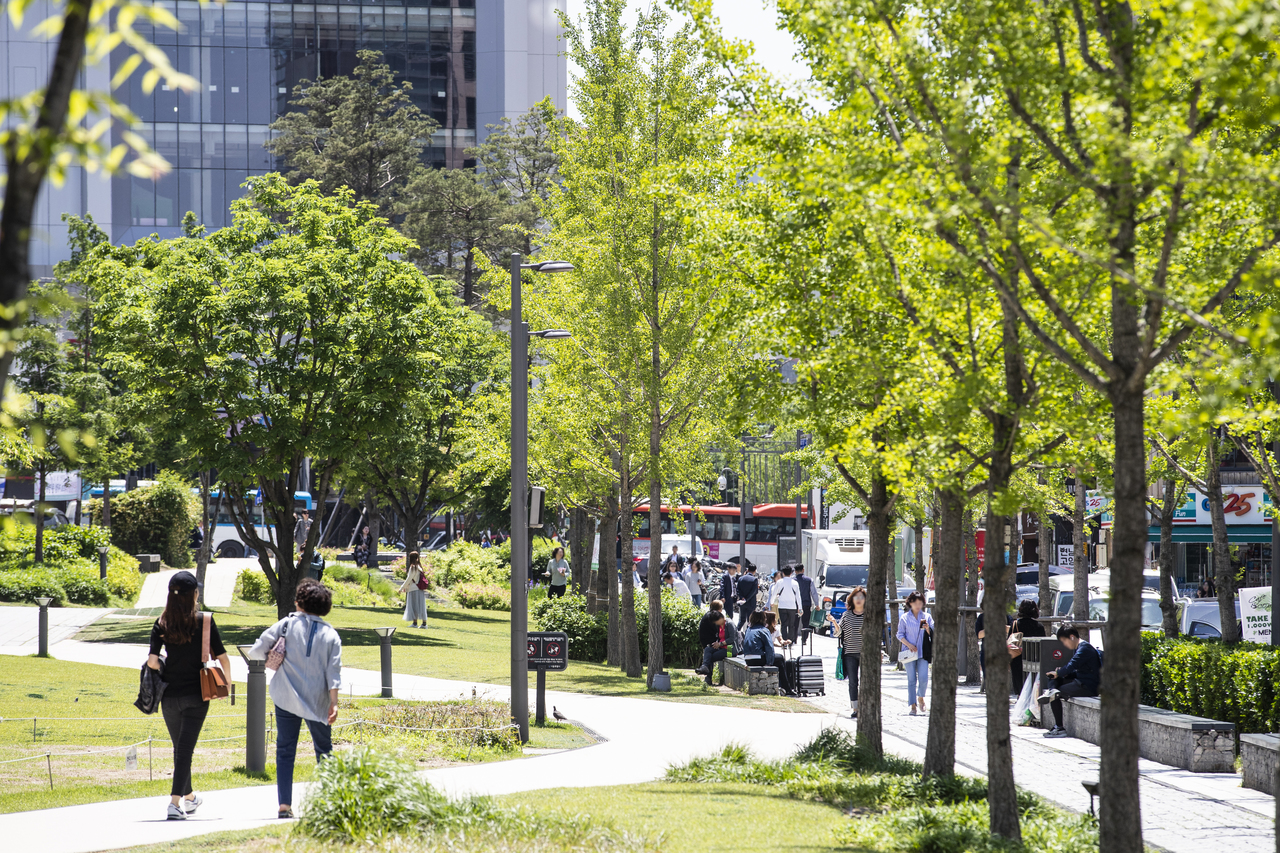
Seodaemun Independence Park is the green space surrounding the sights, and it also contains historic structures in its own right. Korea Tourism Organization data describes it as built on the former Seoul Detention Camp, restored and opened as a memorial park on August 15, 1992 to honor those who sacrificed for independence. You can see it on Naver Map or Google Maps.
The park preserves seven prison buildings, an execution ground, an underground women’s prison and the March 1st Movement Monument. Many of these are part of the same site as the History Hall, so you will pass them on your way through.
The park itself is listed as open around the clock all year, which makes it a good place for a slow walk after the museum. Korea Tourism Organization crowd data shows Mondays are the quietest and Saturdays the busiest, though note that the prison itself is closed on Mondays, so plan accordingly.
6. National Memorial of the Korean Provisional Government
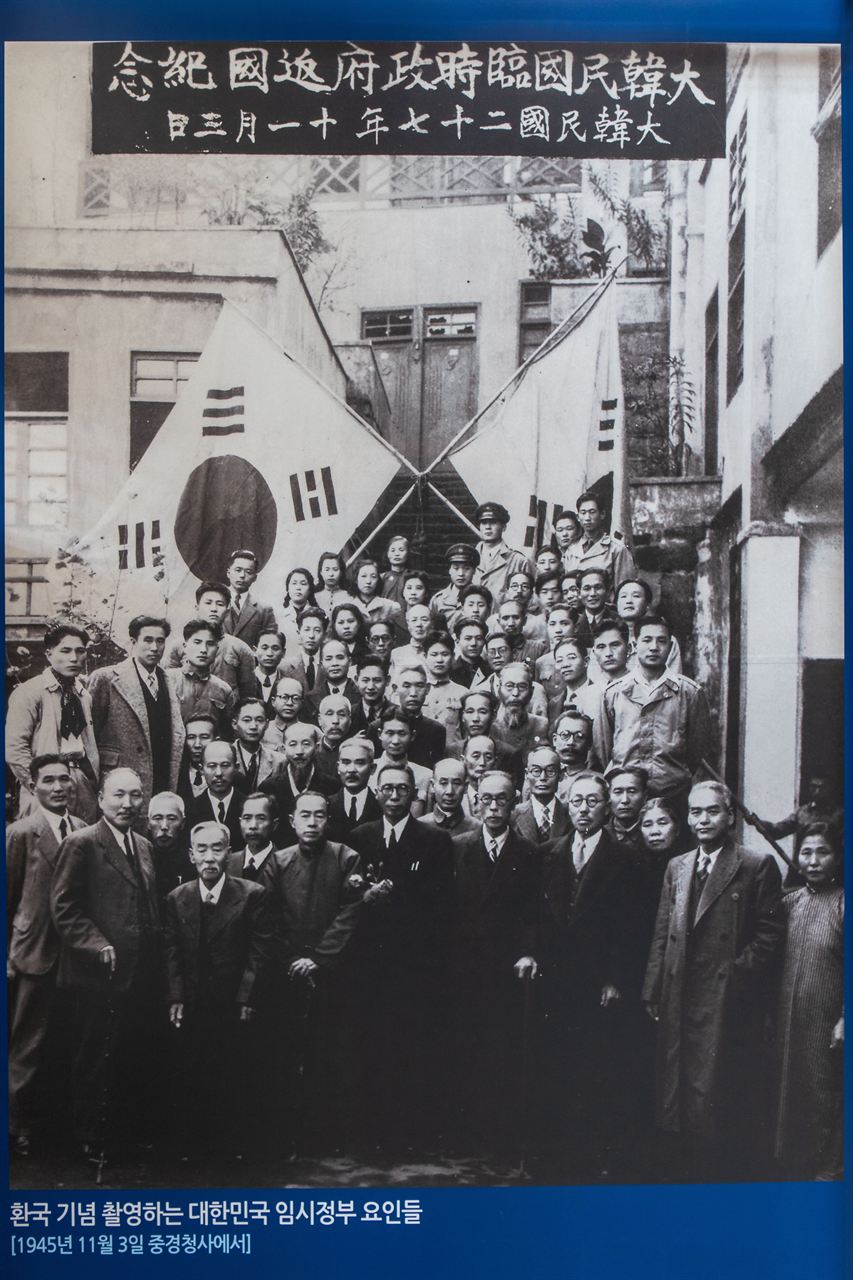
The National Memorial of the Korean Provisional Government is a good fit if you want the story of how independence was organized from abroad. It covers the government-in-exile and is free to enter, according to the official website. Find it on Naver Map or Google Maps.
The permanent exhibitions run across three floors, from the transition from monarchy to republic through the Provisional Government and its people. The site’s reservation menu includes English guided tours, and there is a program for foreign visitors and groups, so check ahead if you want one. Its closing days differ from the prison’s, so confirm on the official site before you go.
Since parking is very limited, arrive by public transportation. Putting this stop last gives you a calmer, more reflective ending than the prison does.
7. Yeongcheon Market for a Local Break
Yeongcheon Market is a good way to end the day on something lighter. Also known as Dongnimmun Yeongcheon Market, it is a traditional market in Seodaemun-gu, right next to Dongnimmun Station, so it fits easily at the end of a half-day Seodaemun route. Opening times vary by stall, so treat it as a flexible stop rather than a fixed one.
Don’t confuse it with the city of Yeongcheon in North Gyeongsang Province; this one is a short walk from the station. Find it on Naver Map or Google Maps.
Common Mistakes First-Timers Make Near Dongnimmun
The most common mistake is underestimating how draining the prison is. Rooms are small and the content is heavy, and visitors who arrive at the end of a long sightseeing day often cut the visit short. Do it first thing in your day, not as your last stop.
Another mistake is going on a Monday. The prison is closed every Monday, and if Monday is a public holiday the closure moves to Tuesday. It is also closed on Seollal and Chuseok. This catches people because the park next door stays open, so the area looks active when the museum is shut.
A third mistake is arriving too close to closing time. Last admission is 30 minutes before closing, so a late arrival leaves almost no time to see the cell blocks and underground rooms properly.
Finally, many travelers bring young children without preparing them. Reviewers mention that the torture-room content can frighten some children, so decide in advance which areas to skip.
Frequently Asked Questions
Is Seodaemun Prison open during Chuseok?
No. The History Hall is closed on Seollal (Lunar New Year’s Day) and Chuseok, and also every Monday. Check the official site before a holiday trip, because schedules can change.
Is there an English audio guide at Seodaemun Prison?
Travelers report that an English audio guide is available through a QR code. Japanese-language signage is also available. Bring earphones and a charged phone so you can use it.
How much does Seodaemun Prison cost?
Adults pay 3,000 KRW, teenagers and soldiers 1,500 KRW and children aged 7-12 1,000 KRW. Seniors 65 and over, children 6 and under, people with disabilities and national merit recipients enter free (as of 2026).
Is Seodaemun Prison suitable for children?
It depends on the child. Some families bring young kids, but the underground interrogation and torture scenes can be frightening. For younger children, prepare them beforehand and be ready to skip the underground rooms.
Does the museum cover the period after Japanese rule?
Some travelers feel the narrative gives limited space to the prison’s later use for political prisoners under military governments. Korea Tourism Organization notes that political prisoners were held there in the 1960s, so it helps to read about that period separately if it interests you.
In Conclusion
The best Seodaemun Prison things to see are all within a short walk of Dongnimmun Station. Start at Independence Gate, give the prison History Hall your freshest hour or two, then walk the park grounds and finish at the Provisional Government memorial or Yeongcheon Market. Use Exit 5 for the prison, go on a weekday if you can, and avoid Mondays, when the hall is closed. Take public transportation instead of driving, wear comfortable shoes, and decide beforehand whether your group is ready for the underground rooms. Done in this order, the day stays manageable and doesn’t tire you out.
Discover more from Korea Visiting
Subscribe to get the latest posts sent to your email.