A Seoul 5-day fall itinerary that actually works has to solve one problem first: the city has more autumn color and palace ground than any traveler can responsibly pack into five days without burning out by day three. This plan is built for first-time visitors who want the core palace experience, real fall foliage, and one proper day trip out of the city — without the overscheduling that ruins most itineraries I see people try to follow. The route groups sights by neighborhood so you’re not crossing Seoul twice in one afternoon, and every stop comes with an honest travel time so the plan actually holds up on the ground. Two days go to the palace district, one day to foliage inside the city, one to a Gapyeong day trip, and one to a mountain hike plus whatever neighborhood you feel like wandering that afternoon.
Key Takeaways
- Group sights by neighborhood — Gyeongbokgung and Bukchon on one day, Changdeokgung and Jongmyo on another — instead of zigzagging across the city.
- Nami Island plus Garden of Morning Calm in one day is a long, transit-heavy combo — treat it as one full day, not an add-on.
- 2026 peak foliage runs about October 30–November 8 at Bukhansan and about November 5–15 in central Seoul, so timing your hike and city walk a week apart matters.
- Five days is enough for Seoul alone — resist the urge to bolt on Busan or the DMZ.
Day 1 — Gyeongbokgung Palace & Bukchon: Where This Seoul 5-Day Fall Itinerary Begins
Day 1 anchors your whole trip around Gwanghwamun and Gyeongbokgung, the most recognizable palace complex in Seoul, followed by a slow walk through Bukchon Hanok Village. Start at Gwanghwamun Gate (Naver Map / Google Maps) around 9:30am, timing your arrival for the Changing of the Royal Guard ceremony, held about twice a day (roughly 10:00 and 14:00) and lasting about 20 minutes. It’s a genuinely good photo moment, but the plaza fills in fast once tour groups arrive, so claim your spot on the front rail 10 minutes early.
From there, enter Gyeongbokgung Palace and budget 1.5 to 2 hours for the main halls and throne room — longer if you rent a hanbok, since wearing one gets you free admission and dramatically better photos against the palace backdrop. Based on Korea Tourism Organization crowd data, Saturday is consistently the busiest day here, so if your schedule is flexible, shift this day to a weekday. Note that the palace closes Tuesdays, and I’d skip trying to verify exact hours from memory — confirm the current schedule and admission gate before you go.
Walk about 15 minutes north to Bukchon Hanok Village and spend an hour wandering the hanok-lined alleys; the famous elevated viewpoint on Bukchon-ro 11-gil gets crowded by late morning, so arrive before 11am if you want an unobstructed shot. For lunch, the streets around Tongin Market or Jahamun-ro near the palace’s west side have solid, casual Korean food without a tourist markup.
In the afternoon, walk or take a short bus ride to Insadong (about 15–20 minutes) for tea houses, galleries, and souvenir shopping, then finish with dinner in the Jongno area. If you plan to visit multiple palaces this trip, buy the combination ticket (about ₩6,000 for adults, valid six months for four palaces plus Jongmyo) at the Gyeongbokgung ticket window — it pays for itself by Day 2.

Day 2 — Changdeokgung Palace & Jongmyo Shrine
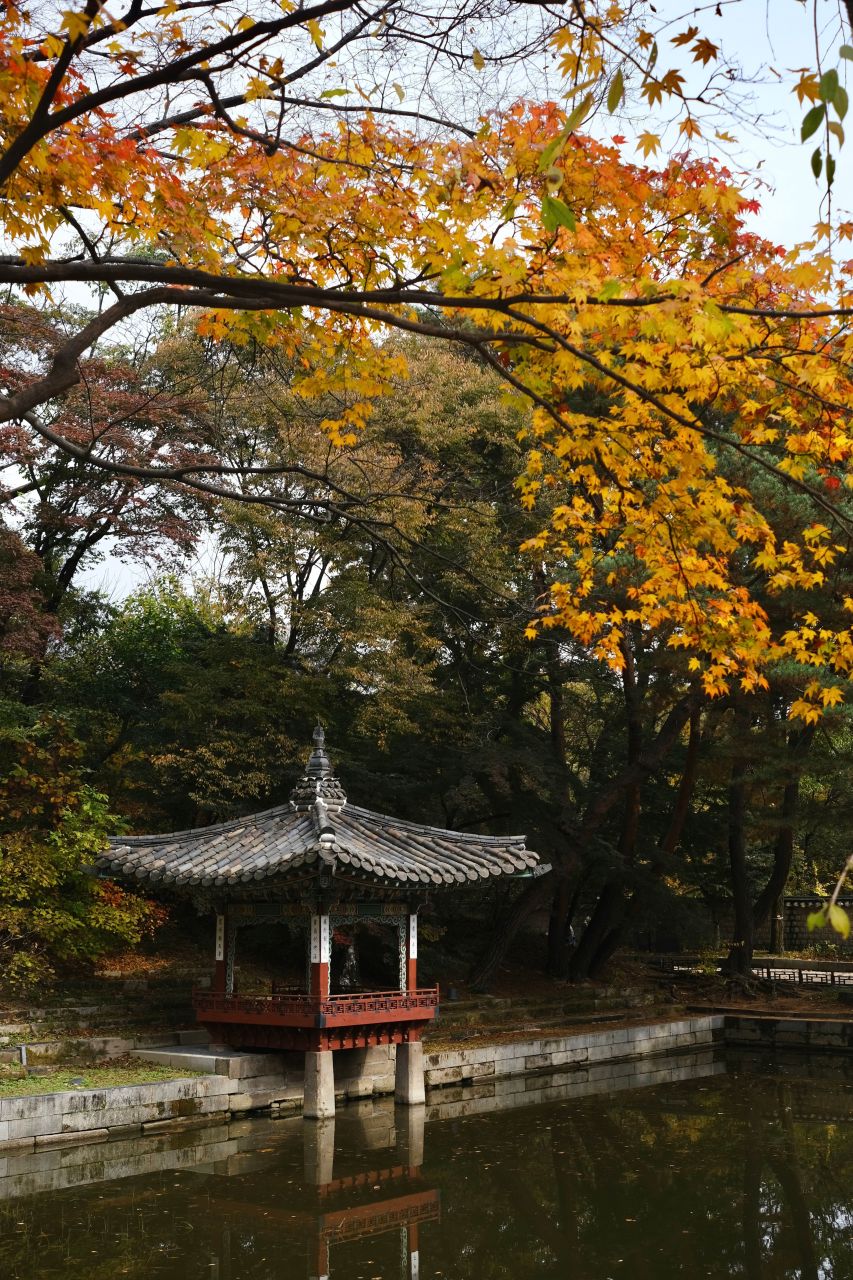
Day 2 slows the pace down at Changdeokgung Palace, one of Seoul’s best-preserved royal palaces and a UNESCO World Heritage Site. Head to Changdeokgung Palace (Naver Map / Google Maps) in the morning and give the palace grounds about 1.5 to 2 hours — the halls, courtyards, and shaded pathways reward an unhurried pace.
After finishing at Changdeokgung, it’s a short walk or one subway stop to Jongmyo Shrine (Naver Map / Google Maps), the Joseon dynasty’s ancestral shrine. It’s quieter and more contemplative than the palaces — the long stone-paved courtyard and unadorned wooden halls surprise a lot of first-time visitors expecting palace-level ornamentation. Give it about 45 minutes to an hour.
For lunch or an afternoon coffee break, Ikseondong’s hanok cafe alley sits between Changdeokgung and Jongno 3-ga station — narrow lanes of century-old houses converted into dessert cafes and small boutiques, and a good spot to slow down rather than rush to the next sight. If you’d rather eat where the pace is livelier, nearby Gwangjang Market is a well-known spot for street food, though I’d check current stall hours on-site rather than plan around a fixed schedule. Cap the day with dinner in the Jongno or Euljiro area before heading back to your accommodation.
Day 3 — Fall Foliage Walks: Seoul Forest & Namsan
Day 3 shifts from palaces to foliage, and Seoul Forest is the better anchor than Namsan alone because its ginkgo-lined paths and deer park photograph well without the tour-bus crowds of the bigger parks. Spend about 1.5 to 2 hours walking the park in the morning, then cross into the Seongsu-dong cafe street just north of it — a former industrial district turned into one of Seoul’s most photogenic cafe neighborhoods, and a natural lunch stop.
From Seongsu, it’s about 30–40 minutes by subway and bus (or a direct taxi) to Namsan Park. Give yourself 1.5 to 2 hours for the circular walking path up toward N Seoul Tower; you don’t need to pay for the tower observation deck to get a good view of the city, since several overlooks along the path are free. Late afternoon into early evening is the best window here — the light softens for photos and the crowd thins slightly compared to midday.
If your travel dates land closer to early-to-mid November, consider swapping this day’s second half for Haneul Park (part of World Cup Park) instead of Namsan — it’s known for silver grass and pink muhly fields that peak later in the season, but it sits on the opposite side of the city, so treat it as an alternative rather than an addition; trying to do both Namsan and Haneul Park in one day is exactly the kind of overpacking that turns a relaxed foliage day into a transit slog. For dinner, Itaewon or Haebangchon near Namsan’s south side has a wider international food range if you want a break from Korean food by day three.
Day 4 — Nami Island & Garden of Morning Calm Day Trip
This is the one full day you spend outside Seoul, and it deserves the whole day rather than a rushed half-day add-on. From Seoul, the ITX-Cheongchun train runs from Yongsan or Cheongnyangni Station to Gapyeong Station in about 40–60 minutes for roughly ₩6,600–₩9,800 one way; from Gapyeong, a local bus or short taxi ride gets you to the Nami Island ferry terminal. Alternatively, a direct round-trip shuttle bus (about 1.5 hours each way, roughly ₩25,000–₩28,000 as of 2026) runs from pickup points including Hongik University, Myeongdong, and Dongdaemun, and is the simpler option if you don’t want to manage train and local bus transfers.
Nami Island charges about ₩19,000 for adults, which includes the round-trip ferry. My honest take: the island earns its reputation in fall for the metasequoia and ginkgo lanes, but it is thoroughly a tourist attraction now, not a hidden escape — ferries run every 10–20 minutes at peak times specifically because the crowd is heavy. If you’ve already seen it or crowds genuinely put you off, Seoul Grand Park is a reasonable closer-in alternative for a foliage walk without the ferry queue, though it won’t match Nami’s tree tunnels. Budget about 2–2.5 hours to walk the island at a relaxed pace.
From Gapyeong, reaching Garden of Morning Calm adds real travel time — figure on a bus or taxi transfer plus about 17–18 minutes from nearby Cheongpyeong Station, or a longer transfer directly from the Nami ferry terminal. Admission is about ₩11,000 for adults (checked June 2025). This is the fast-versus-leisurely fork in the day: doing both Nami Island and the Garden of Morning Calm back-to-back makes for a long day (10–12 hours door to door), so if you’re not an early starter, pick one and do it properly rather than rushing both. For a fully leisurely version, many visitors book a combined day-tour bus that handles both stops and the transfers between them, which removes the transit planning at the cost of a fixed schedule.
Day 5 — Bukhansan Foliage Hike & Free Afternoon
Day 5 starts with the most rewarding foliage of the trip if your dates line up with it: Bukhansan National Park’s peak color, expected around October 30–November 8, 2026, is noticeably more dramatic than the city-park foliage you’ll see elsewhere on this itinerary. Admission is free. Get there via Gupabal Station (Subway Line 3, Exit 1), then a local bus to the Bukhansanseong stop (about 17 minutes), followed by a 10-minute walk to the entrance — plan on about 45 minutes to an hour total from central Seoul. A short loop trail near the entrance takes about 2 hours round trip; committing to one of the ridge trails toward a summit can run 4 hours or more, so decide based on your legs and your flight schedule the next morning.
Head back into the city by early-to-mid afternoon (about 45 minutes to an hour) and treat the rest of the day as intentionally unplanned — this is the slot to skip if you’re tired from the Gapyeong day trip, or to fill with whatever interested you earlier in the week but didn’t fit. Hongdae and Sinchon are a strong pick for an easy afternoon: dense with cafes, casual food, and street-level shopping, and forgiving if you just want to wander without a fixed list. Myeongdong is the better call if you still have souvenir or cosmetics shopping to finish, since it concentrates that kind of shopping more than almost anywhere else in the city. Either way, resist the urge to schedule a sixth “must-see” here — the whole point of ending on a loose afternoon is giving the trip room to breathe.
Getting Around & Practical Tips
The fastest way to move through this Seoul 5-day fall itinerary is a rechargeable T-money transit card, which covers subway, bus, and most taxis at a flat basic subway fare of about ₩1,550 as of 2026. Load it at any convenience store or subway kiosk on Day 1 and top it up as needed; it removes the friction of buying single tickets at every station.
If your dates are tight, it’s worth pre-booking your Nami Island shuttle or Gapyeong day-tour seat before you land, since the round-trip shuttle from central pickup points can sell out during peak foliage weekends. Everything else on this itinerary — palace tickets, Bukhansan entry, neighborhood walks — can be done on arrival without advance booking.
On seasonal timing: 2026 forecasts put Bukhansan’s peak foliage around October 30–November 8 and central Seoul’s urban peak around November 5–15. If your trip falls entirely within one window, consider swapping Day 3 and Day 5 so your mountain hike lands closer to its own peak rather than the city’s. Fall in Seoul also means real temperature swings — mornings and evenings can be noticeably colder than midday, so layer rather than dress for one temperature all day.
On pacing: five days is enough to do Seoul properly and not enough to also add Busan, the DMZ, or a second city — trying to stack a long-distance side trip onto this itinerary is the single most common way travelers end up exhausted and rushing through everything, including the palaces they came for. If you finish a day’s stops early, that’s a feature, not a failure — an extra hour in Bukchon or an unplanned coffee stop beats squeezing in one more attraction.
Common Mistakes to Avoid
Most problems with a Seoul fall itinerary come from underestimating time, not from picking the wrong sights. Here’s what trips people up most often.
Overpacking a single day. Cramming Gyeongbokgung, Bukchon, Insadong, and a foliage park into one day looks fine on paper but ignores real transit time between neighborhoods and the fact that each palace alone deserves 1.5–2 hours. The mechanism is simple: every “quick 20-minute stop” actually costs 40–50 minutes once you add walking to and from transit, and by the fourth stop you’re rushing through the thing you actually planned the trip around.
Treating Nami Island plus Garden of Morning Calm as a half-day trip. Between the train or shuttle ride out, the ferry crossing, the transfer between the two sites, and the return trip, this combo easily runs 10+ hours door to door. Travelers who plan it as an “easy add-on” to a Seoul sightseeing day end up either cutting one site short or returning to their hotel well after dark, exhausted.
Assuming palace hours and closing days never change. Seasonal hours shift (they’re shorter in winter, longer in summer), and closing days can move around public holidays. Confirming hours on the official site or a mapped listing right before you go costs two minutes; showing up on a closed day costs half a morning.
Adding a second city to a 5-day trip. A Seoul-Busan combo squeezed into five days means at least half a day lost to KTX travel each direction, which is exactly the time this itinerary needs for the palaces and day trip above. If Busan is a priority, it deserves its own separate trip, not a rushed overnight bolted onto Seoul.
Frequently Asked Questions
How many days do you need in Seoul to see the palaces and fall foliage?
Five days is a realistic minimum for the pacing in this itinerary — two days for the four major palace-area sights, one day for in-city foliage, one day trip to Gapyeong, and one flexible day for a mountain hike or neighborhood wandering. Trying to compress this into three or four days usually means rushing the palace visits or cutting the Gapyeong day trip short, since both require significant transit time.
Is Nami Island worth visiting in the fall?
Yes for the metasequoia and ginkgo tree lanes, which are genuinely striking in October and November — but go in expecting a well-developed tourist attraction with real crowds and ferry queues, not a quiet escape. If you’ve been before or crowds are a dealbreaker, Seoul Grand Park is a closer, less crowded alternative for a fall walk, though it doesn’t match Nami’s signature tree tunnels.
Should I add Busan or the DMZ to a 5-day Seoul trip?
I’d skip it. Five days is tight enough for Seoul alone once you account for realistic travel times between neighborhoods, and adding a long-distance trip typically forces you to cut the palace or foliage days short to make the travel time work. Save Busan or the DMZ for a dedicated trip or a longer future visit.
When is peak fall foliage season in Seoul in 2026?
Forecasts point to about October 30–November 8, 2026 for Bukhansan National Park and about November 5–15, 2026 for central Seoul’s urban parks and palace grounds. If your trip spans both windows, it’s worth timing your mountain hike and your city foliage walk about a week apart to catch each at its best.
In Conclusion
A workable Seoul 5-day fall itinerary comes down to grouping sights by neighborhood, giving each palace the 1.5–2 hours it actually needs, and treating the Gapyeong day trip as a full day rather than a rushed add-on. Follow this route — Gyeongbokgung and Bukchon, then Changdeokgung and Jongmyo, a foliage day at Seoul Forest and Namsan, Nami Island with or without Garden of Morning Calm, and a Bukhansan hike with a loose final afternoon — and you’ll cover the palaces, the color, and one solid trip outside the city without the burnout that comes from overscheduling. If your dates are tight, book your Gapyeong transport before you land; everything else can be decided day to day. Keep Seoul as the whole trip, watch the 2026 foliage windows for Bukhansan and the city center, and leave at least one afternoon unplanned — it’s usually where the trip surprises you.
Discover more from Korea Visiting
Subscribe to get the latest posts sent to your email.