You’ve seen the photos of deer on a city lawn and ginkgo trees glowing yellow, and now you’re trying to work out the details. Is the park really free? Which exit leaves you closest to the deer? Do you have to choose between Seoul Forest and the cafes of Seongsu? This Seoul Forest Guide sorts out those first-visit questions so you spend less time lost and more time in the park.
Seoul Forest is a large, flat park in Seongdong-gu. It’s built around four themed areas, so it is easy to walk past the best parts without realizing it. The deer, the gardens and the quiet corners sit in different directions from the main entrance. The park grounds stay open all day, but the facilities inside run on their own schedules. Check the information card below for the official details.
Key Takeaways
- Entry to Seoul Forest is free, and the park is easiest to reach from Seoul Forest Station (Suin-Bundang Line), Exit 3 or 4.
- The deer are watched from outside the fence, and staff may hand out feed at set times. Don’t rely on a vending machine.
- The park grounds and the individual facilities keep different hours, so check the official site before you go.
- Spring and autumn are the best seasons. Go early to avoid the crowds around the ginkgo trees.
- Seongsu cafes are a short walk away, so you can combine both in one day.
📍 Seoul Forest — Essential Information
| Address | 273 Ttukseom-ro, Seongdong-gu, Seoul |
| Opening hours | Open 24 hr* Hours may vary by facility; check website in advance |
| Closed | N/A (Open all year round) * Closed days may vary by facility; check website in advance |
| Parking | Available |
| Website | parks.seoul.go.kr |
| Map | Google Maps · Naver Map |
Seoul Forest at a Glance
- Why visit: It’s a free, spacious green escape in the middle of the city, and it has the rare sight of deer living on a city lawn.
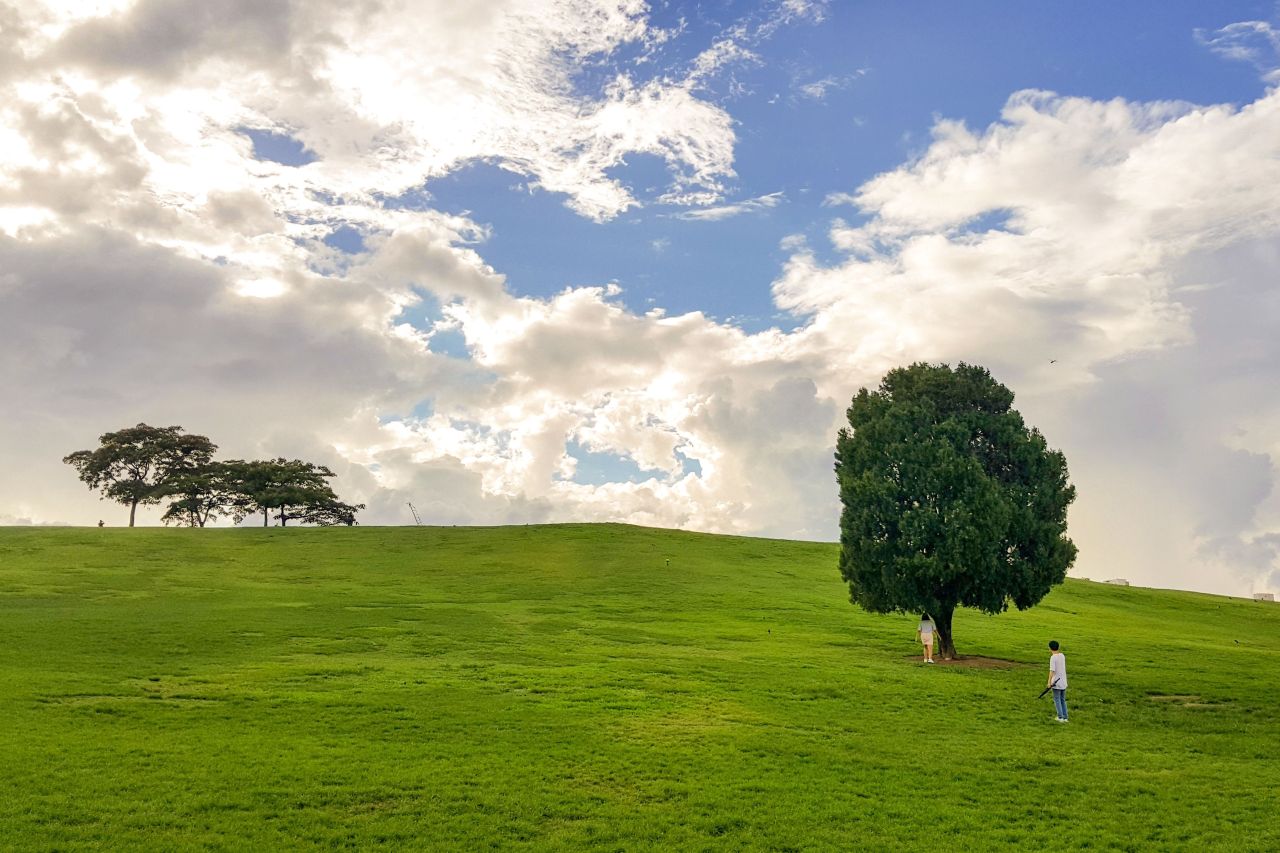
- What you will see and experience: Wide lawns, a reflecting pond called Mirror Pond, tree-lined paths including a metasequoia road, an ecological forest with deer, and an insect garden and butterfly garden. A bridge also leads toward the Han River.
- Getting there: The closest stop is Seoul Forest Station on the Suin-Bundang Line. Take Exit 3 or 4 and walk about 5–10 minutes. Ttukseom Station on Line 2 is the alternative, via Exit 8, with a 10–15 minute walk.
- Tickets and admission: Free (KRW 0). Outside food is reportedly not allowed in the animal areas.
- Tips from past visitors: Visit in spring or autumn and arrive early. Quieter side paths near Mirror Pond and toward the river give you more space. Winter can look bare.
- Nearby spots worth combining: Seongsu-dong’s cafes, bakeries and boutiques are close by. Seoul Forest Station also has an Olive Young branch, and Ttukseom Station has a Daiso branch.

How to Get to Seoul Forest by Subway and Bus
The simplest way to reach Seoul Forest is the subway. Use Seoul Forest Station (Suin-Bundang Line) Exit 3 or 4, or Ttukseom Station (Line 2) Exit 8.
Which station should you choose?
Seoul Forest Station is the better choice for most first-timers. Exits 3 and 4 put you about 5–10 minutes on foot from the park, and the route is easy to follow. Ttukseom Station on Line 2 takes about 10–15 minutes from Exit 8. It’s convenient if you’re already on Line 2 and don’t want to transfer. You can find both on Naver Map, which works far better than Google Maps for walking routes in Korea.
How long does it take from central Seoul?
From City Hall Station to Ttukseom Station takes roughly 15–27 minutes, with fares of about KRW 1,500–2,100. From Seoul Station to Seoul Forest or Ttukseom Station is usually about 25–30 minutes. Fares and times depend on your route and transfers, so check a navigation app on the day.
Can you go by bus or car?
Several bus routes stop near the park entrances. The official site lists parking, but spaces fill up on nice weekends. The subway is less stressful, especially in cherry blossom and autumn foliage seasons.
You can also check the park’s official page at parks.seoul.go.kr, which is available in several languages. For maps of the park itself, use Naver Map or Google Maps.
Seoul Forest Deer Enclosure: Where to See the Deer
The deer live in the ecological forest area, and you watch them from outside the fence. Plan around the facility’s own schedule, because it is not the same as the 24-hour park grounds.
Where is the deer area?
The deer are kept in the ecological forest section of the park. Visitors can’t walk in with them. Instead, you look in over the fence line.
Can you feed the deer?
Information online conflicts on this. Some older guides mention vending-machine feed. Visitor reports describe staff handing out feed at certain times, and that appears to be the current practice. Don’t assume you can buy feed from a machine. Ask at the site, or check the official page before you go. Outside food is reportedly not allowed.
Where is the best place to watch?
Elevated walkways and the fence edges give clear views without crowding the animals. Go early on weekends, since families gather in the middle of the day. Keep your voice low and don’t climb the fence.
What to Do in Seoul Forest Beyond the Deer
Beyond the deer, Seoul Forest has gardens, ponds, tree-lined paths and open lawns that fill a half day easily.
Insect and Butterfly Gardens
The Insect and Plant Garden and the Butterfly Garden are smaller, free attractions with their own short hours. Both are closed on Mondays, and the Butterfly Garden is closed in winter. Check before you walk across the park for them. In winter, the Butterfly Garden isn’t a reliable stop.
Mirror Pond and the Metasequoia Road
Mirror Pond is a popular photo spot. The quieter side paths around it feel more relaxed than the main edge. The metasequoia-lined road is a favorite for walks in autumn. A bridge leads toward the Han River, and the riverside is a calmer alternative if the main park is busy.
Picnics, Bikes and Free Water
The lawns are good for picnics. Free drinking-water fountains are available, and Seoul Bike (Ttareungi) rentals are near Exit 5 of Seoul Forest Station. The rental app reportedly has a foreigner button.
Events Worth Timing Your Visit For
Seoul Forest hosts a Jazz Festival each fall, Chuseok programs around the holiday, and tulip festivals in spring. These bring music and crowds, so decide whether you want atmosphere or quiet.
Best Time to Visit Seoul Forest and How to Avoid Crowds
Spring and autumn are the best seasons for a Seoul Forest visit, and mornings on weekdays are the quietest.
Which season is best?
Spring brings cherry blossoms and tulips, and autumn brings yellow ginkgo and golden foliage. Summer is green and shaded. Winter can feel barren, so go for a short walk and a warm cafe rather than a long picnic.
How do you avoid the crowds?
The ginkgo tree area gets crowded in peak autumn. Go early and walk to the less-visited paths near Mirror Pond or toward the river. Weekdays are much calmer than weekends. Pop-up events near Seoul Forest and Seongsu draw long queues, so on weekends arrive early for your queue number.
Seoul Forest and Seongsu: Cafes and Food Nearby
Seoul Forest pairs naturally with Seongsu-dong, and you can walk between them. Plan the park first and the cafes after, when your legs want a seat.
Dessert stops near the park
Visitor reports mention Nemone, a square-themed cafe known for peach cake. Forest Seoul Forest serves a cherry parfait with grape mochi, with outdoor seating that’s nicer in cooler weather.
Lunch in Seongsu
For a Chinese meal in Seongsu, Hongbo-seok’s special rice bowl set is about KRW 10,000. Prices change, so treat them as a guide.
Pop-ups
Pokemon-themed pop-ups have appeared on both the Seongsu Station side and the Seoul Forest side. Reports suggest weekdays are calmer, though foreign tourists are plentiful even then.
Common Mistakes at Seoul Forest
Most first-timer problems come from assuming the whole park runs on one schedule, or that one entrance serves every attraction.
Assuming everything is open 24 hours
The grounds stay open day and night, but the deer area and gardens have their own opening times. If you arrive late, the gates may be shut even though the park is open. Check the official page first.
Expecting to feed the deer from a machine
Feed rules have changed over time, so older guides mislead. Rely on current staff instructions instead.
Going to the ginkgo area at midday on a weekend
Everyone arrives at the same time, so crowds peak and photos suffer. Arrive early or choose a side path.
Visiting the butterfly garden in winter
It closes from November to April, so the walk is wasted. Choose the insect garden or the deer area instead.
Driving on a nice weekend
Parking is available, but one report found a nearby lot full by 10 a.m. The subway avoids the problem.
Frequently Asked Questions
Is Seoul Forest free to enter?
Yes, entry is free (KRW 0). Some programs and nearby pop-ups or cafes may charge their own fees.
Which exit is closest to Seoul Forest?
Use Exit 3 or 4 of Seoul Forest Station (Suin-Bundang Line), about 5–10 minutes on foot. From Ttukseom Station on Line 2, take Exit 8, about 10–15 minutes.
Can you feed the deer at Seoul Forest?
Visitor reports say staff hand out feed, and visitors watch from outside the fence. Vending-machine feed is mentioned in some older guides, so check on site.
Is Seoul Forest worth visiting in winter?
It can look bare, so it’s less appealing than spring or autumn. It still works for a short walk and a visit to nearby Seongsu cafes.
Can you combine Seoul Forest with Seongsu?
Yes. Seongsu-dong is a short walk away, so you can spend the morning in the park and the afternoon in cafes.
In Conclusion
Seoul Forest is easiest when you plan around three things: the right exit, the right season and the right hour. Take Exit 3 or 4 from Seoul Forest Station, arrive early, and check the schedule for the deer area and gardens before you go. Choose spring or autumn if you can, and walk the quieter paths near Mirror Pond when the main routes fill up. Then finish in Seongsu for a cafe or an early dinner. With free entry and a flexible plan, this park suits a half day or a full afternoon.
Discover more from Korea Visiting
Subscribe to get the latest posts sent to your email.