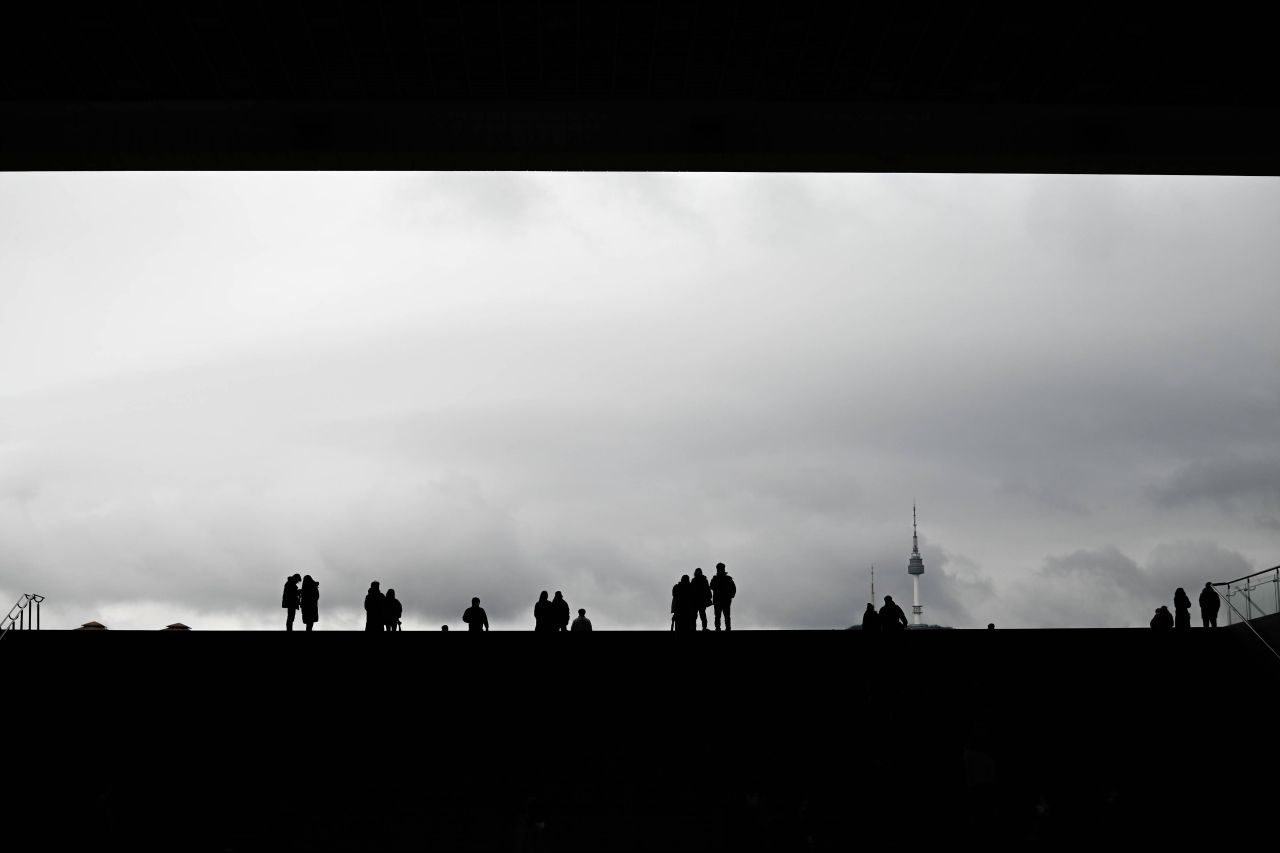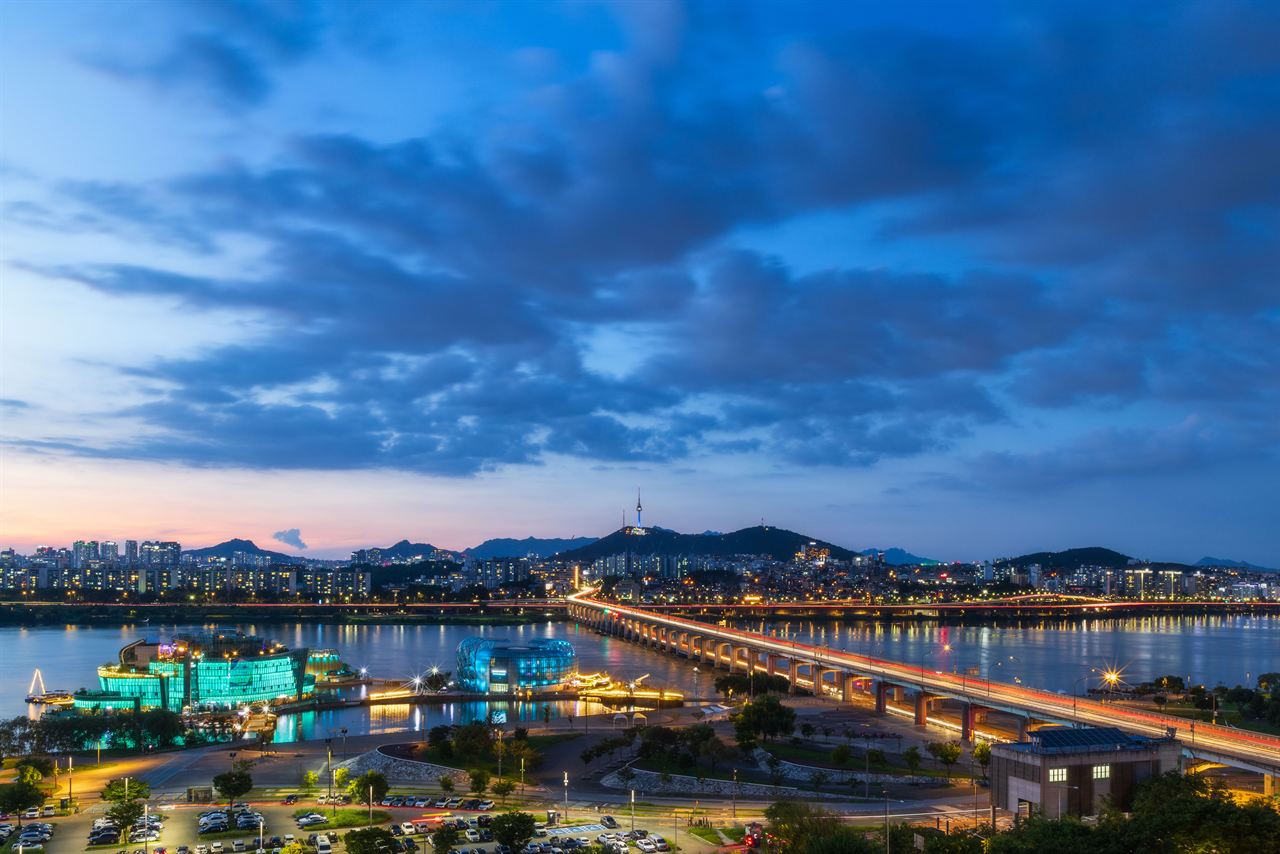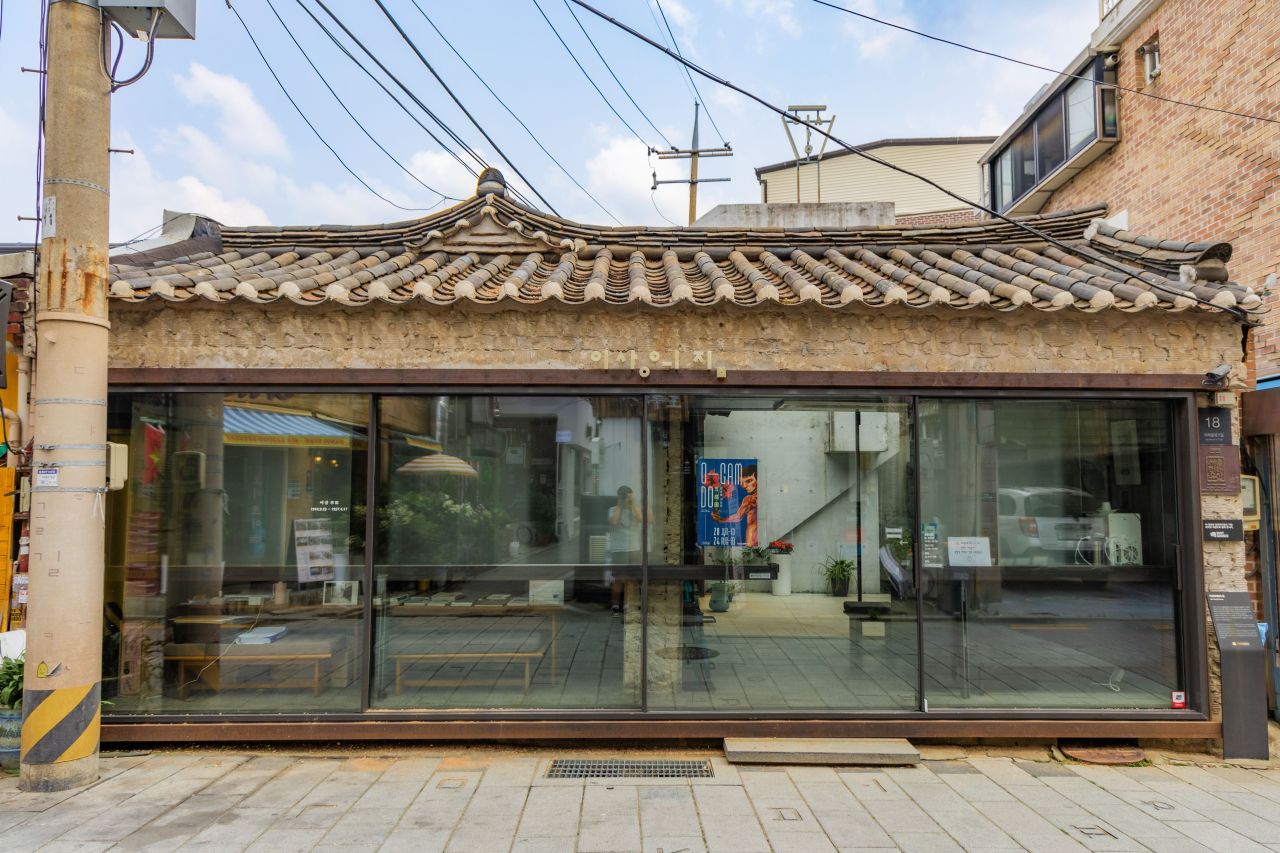
If you’re piecing together a Seochon Village travel guide because every Bukchon photo online looks like a subway platform at rush hour, you’re asking exactly the right question before you plan your Seoul itinerary. Most first-time visitors land at Gyeongbokgung Station, see two hanok villages on the map a few minutes apart, and assume they’re interchangeable — then end up shoulder-to-shoulper with tour groups in one and confused about why the other, quieter neighborhood was even suggested. Seochon sits just west of Gyeongbokgung Palace, but it isn’t a preserved museum piece; it’s a lived-in residential district where locals still hang laundry above the alleys you’re walking through, which changes how you should plan the visit, what to expect, and when to show up. This guide walks through the hanok alleys worth seeking out, the Tongin Market yeopjeon coin lunchbox experience everyone mentions but few explain clearly, the cafes actually worth the walk, and the specific days and hours that keep you out of the crowds entirely.
Key Takeaways
- Seochon Village is free to explore and sits a short walk from Gyeongbokgung Station (Line 3), Exit 2 or 3.
- The Tongin Market yeopjeon lunchbox costs about 5,000 KRW for 10 brass coins and an empty six-section tray — bring cash-equivalent coins only, no card payment inside the market stalls.
- Weekday mornings, especially before 10:00, are the most reliable way to avoid crowds in both Seochon and neighboring Bukchon.
- Unlike Bukchon’s restricted “Red Zone” hours, Seochon has no tourist visiting-hour rules, since it’s a normal residential neighborhood rather than a managed cultural district.
- Early to mid-November brings a golden ginkgo tunnel along Hyoja-ro, best seen around 8:00–9:30 AM on a weekday before foot traffic builds.
📍 Seochon Village — Essential Information
| Address | 45 Pirundae-ro, Jongno-gu, Seoul (Nuha-dong) |
| Opening hours | Open 24 hr |
| Closed | N/A (Open all year round) |
| Parking | Not available |
| Map | Google Maps · Naver Map |
Seochon Village at a Glance
Seochon rewards visitors who want to slow down rather than check off a list, and that single trait is why locals keep sending first-timers here instead of Bukchon.
- Why visit: A working residential hanok neighborhood where cafes, galleries, and century-old shops sit inside the same low-slung alleys, without the roped-off, photo-op feel of more famous hanok districts.
- What you’ll see and experience: Narrow winding lanes with mismatched rooflines, small artisan studios tucked between homes, a century-old traditional market running an unusual brass-coin lunchbox counter, and independent cafes that range from minimalist to genuinely eccentric.
- Getting there: Take Seoul Subway Line 3 to Gyeongbokgung Station, and exit through Exit 2 or Exit 3 — from there, Seochon’s alleys start almost immediately, with Tongin Market about a 5-minute walk from Exit 2 and most of the neighborhood’s cafes and bakeries within 8 to 11 minutes on foot.
- Tickets and admission: There’s no entrance fee to walk through Seochon itself; the only cost most visitors budget for is the Tongin Market lunchbox experience, roughly 5,000 KRW for the basic coin set.
- Tips from past visitors: Come on foot with comfortable shoes, keep voices down once you’re deep in the residential lanes since people actually live behind those low walls, and treat the market coins like cash — once they’re gone, they’re gone until you buy more.
- Nearby spots worth combining: Gyeongbokgung Palace borders Seochon on its eastern edge, and Bukchon Hanok Village sits on the palace’s opposite side, making a same-day comparison genuinely easy.
How to Get to Seochon Village from Gyeongbokgung Station
Getting to Seochon is one of the least confusing parts of planning this trip, since a single subway stop puts you within walking distance of everything covered in this guide. Gyeongbokgung Station on Line 3 is the anchor point, and once you’re above ground, the choice between Exit 2 and Exit 3 mostly comes down to whether Tongin Market or the cafe-heavy alleys are your first stop. Exit 2 leads you almost directly toward Tongin Market, roughly a 5-minute walk, which makes it the better choice if you want to arrive hungry and eat first. Exit 3 tends to be more convenient if you’re heading straight into the residential hanok lanes or toward the cafes clustered 8 to 11 minutes further in.
There’s no need to transfer buses or plan a second leg of the trip — this is a single-station destination, which is part of why it pairs so easily with a Gyeongbokgung Palace visit either before or after. If you’re coming from elsewhere in the city, Line 3 connects through several major transfer points, so check your specific starting station for the most direct route rather than assuming you need to go through City Hall or Jongno. Once you’re walking, Seochon’s layout is genuinely simple: the alleys run in a loose grid behind the market, so getting mildly lost for ten minutes is part of the experience rather than a real problem, since you’re never more than a short walk from a main road back toward the station.
Exploring the Hanok Alleys and Their Hidden Corners
Seochon’s alleys reward the visitor who wanders without a fixed plan, because the neighborhood’s best details — a mossy stone wall, a one-person pottery studio, a doorway painted a color nobody else picked — tend to sit just off the routes most guides mention. Unlike the more polished, postcard-ready lanes of Bukchon, Seochon’s hanok roofs are irregular, some restored and some clearly original, which gives the whole area a lived-in texture rather than a curated one.
Several small art galleries and craft studios operate directly out of converted hanok homes here, often with just one or two rooms open to browsing, and many change their small window displays often enough that repeat visitors notice something new each season. Look for narrow side alleys branching off the main lanes — these are where independent print shops, ceramics studios, and one-off boutique storefronts tend to cluster, since the wider streets are reserved for cafes and restaurants with more foot traffic. Because people actually live in these hanoks, the unspoken rule locals appreciate most is quiet observation rather than loud conversation or lingering directly in front of private entrances — a courtesy that costs visitors nothing and keeps the neighborhood welcoming for everyone who comes after.
The area also holds a handful of small museums and cultural spaces worth folding into a walk, including sites connected to Korean poets and artists who once lived in the neighborhood, giving the alleys a layer of literary history beneath the visual charm.
Tongin Market and the Yeopjeon Brass Coin Lunchbox Experience
The Tongin Market yeopjeon lunchbox is the single most talked-about thing to do in Seochon, and it works like this: you buy a set of old-style brass coins — called yeopjeon — at a central exchange counter, then use those coins like cash at individual stalls throughout the market to fill an empty six-section plastic lunchbox with whatever dishes catch your eye. The starting set runs about 5,000 KRW for 10 coins plus the tray itself, though many visitors upgrade to a 10,000 KRW set of 20 coins for a fuller, more varied meal once they see how small a single coin’s worth of food actually is.
Part of the appeal is the format itself: instead of ordering a full dish at one stall, you’re building a personalized sampler across several vendors — a few dumplings here, some japchae there, maybe a small side of tteokbokki — which suits travelers who want to try a lot without committing to one restaurant. The market itself dates back to the 1940s and today runs around 75 shops, a mix of food stalls, produce sellers, and small goods vendors, so the lunchbox counter is really just one program layered on top of a genuinely working neighborhood market. Because this exchange counter runs on its own schedule that can shift with the market’s needs, it’s worth confirming the current setup once you arrive rather than planning your whole visit around a fixed time — arriving in the early-to-mid part of the day gives you the best chance of full stall selection before popular items sell out.

Trending Cafes and Bakeries in Seochon
Seochon’s cafe scene has grown into one of its biggest draws for visitors who scroll Instagram and YouTube before they travel, and a handful of spots stand out for reasons beyond just good coffee. Leedorim, located near the birthplace site of King Sejong along Jahamun-ro, has built a reputation around an unusual mossy-rock interior installation that photographs beautifully and gives the space a garden-like feel rarely seen inside a Seoul cafe — it’s become a genuine stop for content creators specifically because of that one design choice.
Zero-waste and slow-living cafes have also found a home in Seochon, reflecting the neighborhood’s generally low-key, community-first character; if you’re visiting one of these, bring your own reusable cup or container for takeout, since several intentionally skip disposable packaging as part of their concept. Beyond the cafes themselves, small bakeries scattered through the alleys — often mentioned by visitors as a highlight in their own right — are worth building extra time for, since the best-known ones can develop a short wait even on weekday afternoons. Budget for some walking between stops; Seochon’s cafe cluster spreads across multiple small streets rather than sitting in one concentrated block, so treat cafe-hopping here as part of the exploring rather than a quick errand.
Seochon vs Bukchon: Which Hanok Village Should You Visit?
Seochon and Bukchon solve two different problems, so the better answer depends on what kind of experience you actually want rather than which one is “better.” Bukchon Hanok Village has denser, more visually dramatic hanok rooflines and iconic photo spots, but it also draws by far the heavier tourist traffic of the two, to the point that Jongno-gu now enforces visiting-hour restrictions in its core zone: as of 2024–2026, the residential stretch around Bukchon-ro 11-gil is off-limits to tourists from 17:00 to 10:00 the following morning, with fines for violations, plus a chartered-bus restriction across several key streets. Seochon carries no such rules, since it’s simply a normal neighborhood rather than a managed heritage zone — there’s no curfew, no bus restriction, and no fine structure to navigate, just an unspoken expectation that visitors stay quiet and respectful near private homes.
Practically, this means Seochon suits travelers who already feel like their itinerary is too packed with landmark-hopping and want one stop that’s genuinely slower — wandering alleys, sitting in a cafe, building a market lunchbox — without needing to time a visit around opening hours or tourist-zone rules. Bukchon still makes sense if dramatic rooftop views and classic hanok photo compositions are the priority, and pairing both in a single day is entirely feasible since they sit on opposite sides of the same palace; just budget extra time for Bukchon given its steeper lanes and heavier foot traffic, and keep Seochon for whichever part of the day you want to actually slow down.
Best Times to Visit Seochon Village to Avoid Crowds
The most reliable way to see Seochon without crowds is a weekday morning, ideally before 10:00, when both the alleys and Tongin Market are still settling into the day rather than filling with afternoon foot traffic. This timing works especially well if you’re planning to visit neighboring Gyeongbokgung Palace the same day — official crowd data from the Korea Tourism Organization shows the palace itself runs least crowded on Wednesdays and busiest on Saturdays, so a Wednesday morning start at Seochon followed by an early palace visit stacks two low-crowd windows back to back. Bukchon’s official visiting hours for its restricted core zone run 10:00 to 17:00, which gives you a built-in reason to do Seochon first thing in the morning and shift toward Bukchon once its zone opens.
Seasonally, late spring and early autumn bring the most comfortable walking weather alongside lighter crowds compared to peak cherry blossom or peak autumn foliage weekends. One specific window worth planning around: early to mid-November brings a golden ginkgo canopy along Hyoja-ro, the stone wall road running along the palace’s western edge, and arriving around 8:00 to 9:30 AM on a weekday lets you photograph the tunnel with minimal foot traffic before it becomes a popular afternoon stop. Early morning and late-afternoon light generally suits Seochon’s narrow alleys better than midday sun as well, since the low light softens the mix of old and new textures that make the neighborhood visually interesting in the first place.
Things to Do Near Seochon Village
Seochon’s location makes it easy to combine with several major sights without adding real travel time, since everything below sits within a short walk of the neighborhood’s edges. Gyeongbokgung Palace, the largest and arguably most photographed of Seoul’s five grand palaces, borders Seochon directly to the east and makes a natural pairing either before or after your alley walk — note that its western Yeongchumun Gate has had temporary closures for repair work in 2026, so check current gate access if that entrance factors into your route. On the opposite side of the palace, Bukchon Hanok Village offers the contrast covered earlier in this guide, and the walk between the two neighborhoods runs around the palace perimeter rather than through the palace grounds unless you’ve purchased palace admission.
Closer to the station itself, practical stops matter too: the Daiso Gyeongbokgung Station branch, which offers tax refund service for international visitors, sits right near the station and is worth a quick stop for travel essentials, forgotten toiletries, or budget souvenirs before or after exploring Seochon’s alleys. Travelers who prefer a slower cultural stop sometimes fold in a small local museum focused on modern Korean art within walking distance of the market, giving the day a mix of open-air wandering and an indoor break if the weather turns.
Frequently Asked Questions
Is Seochon too far out of the way compared to Bukchon?
No — Seochon and Bukchon sit on opposite sides of Gyeongbokgung Palace, and both are reachable from Gyeongbokgung Station within a short walk. The extra travel time between them is minimal, typically a 15–20 minute walk around the palace perimeter, so visiting both in one day is realistic rather than a stretch.
Can I walk through Gyeongbokgung Palace grounds to get between Seochon and Bukchon?
Only if you’ve purchased palace admission, since the palace grounds are a ticketed area rather than a public through-route. Without a ticket, plan to walk around the palace’s outer wall, which adds some time but is a pleasant walk along Hyoja-ro on the western side.
Is Seochon less appealing than Bukchon, or is it just less touristy?
It’s less touristy by design rather than less appealing — Seochon is a genuine residential neighborhood without Bukchon’s dramatic rooftop photo spots, but that same quality is exactly why many visitors, including locals, prefer it for a slower, quieter experience.
How much does the Tongin Market lunchbox experience cost?
The basic set runs about 5,000 KRW for 10 brass coins and an empty six-section lunchbox, with many visitors opting for a 10,000 KRW, 20-coin set for a fuller meal. Bring small cash to exchange for coins, since the coins themselves are what you spend at individual food stalls.
What’s the best day and time to visit Seochon Village for fewer crowds?
Weekday mornings, ideally before 10:00, offer the lightest foot traffic in both Seochon’s alleys and Tongin Market. If pairing the trip with Gyeongbokgung Palace, Wednesday mornings are especially useful since the palace’s own crowd data shows Wednesdays as its least busy day.
In Conclusion
Seochon Village works best as a slow half-day rather than a rushed checklist stop: start early at Tongin Market with a yeopjeon lunchbox, drift through the hanok alleys without a fixed route, and save the trending cafes for whenever you need a break. Anchor the trip around Gyeongbokgung Station’s Exit 2 or 3, pair it with Gyeongbokgung Palace or Bukchon depending on your energy and the day of the week, and default to a weekday morning if avoiding crowds matters most to you. None of this requires an entrance fee or a rigid schedule — just comfortable shoes, a little cash for market coins, and the patience to let the neighborhood’s quieter pace set the tone for the day.
Discover more from Korea Visiting
Subscribe to get the latest posts sent to your email.