This Bukchon Hanok Village guide exists because the single biggest complaint I hear from first-time visitors is timing — they show up at the wrong hour, hit a wall of tour groups, or accidentally wander into a resident’s front gate. Bukchon is not a theme park; it’s a living residential neighborhood in central Seoul where hundreds of traditional hanok houses sit on steep, narrow lanes, and since 2025 part of it operates on a strict visiting-hours system with real fines attached. Get the timing and route right, and you’ll walk quiet alleys with soft morning light and almost no one in your photos. Get it wrong, and you’ll be shuffling shoulder-to-shoulder with tour buses while an actual resident glares at you from their doorstep. This guide covers exactly when to go, how the restricted “Red Zone” hours work, and the fastest route in from Anguk Station.
Key Takeaways
- Bukchon Hanok Village is free to enter, but the Bukchon-ro 11-gil “Red Zone” only permits tourist visits 10:00 AM–5:00 PM daily; entering outside those hours risks a fine of about 100,000 KRW (~$70-75 USD).
- Arrive right at 10:00 AM on a weekday (Tuesday or Wednesday mornings are quietest) to walk the main photo spots before tour groups arrive.
- The closest subway stop is Anguk Station (Line 3), Exit 2 or 3, followed by a 5-10 minute uphill walk.
- Bukchon is mostly residential, with far fewer cafes and shops than Jeonju Hanok Village — set expectations accordingly.
- Combine your visit with Gyeongbokgung Palace, Changdeokgung Palace, or Insadong, all within easy walking distance.
Top Attractions
Bukchon-ro 11-gil (The Iconic Photo Alley)
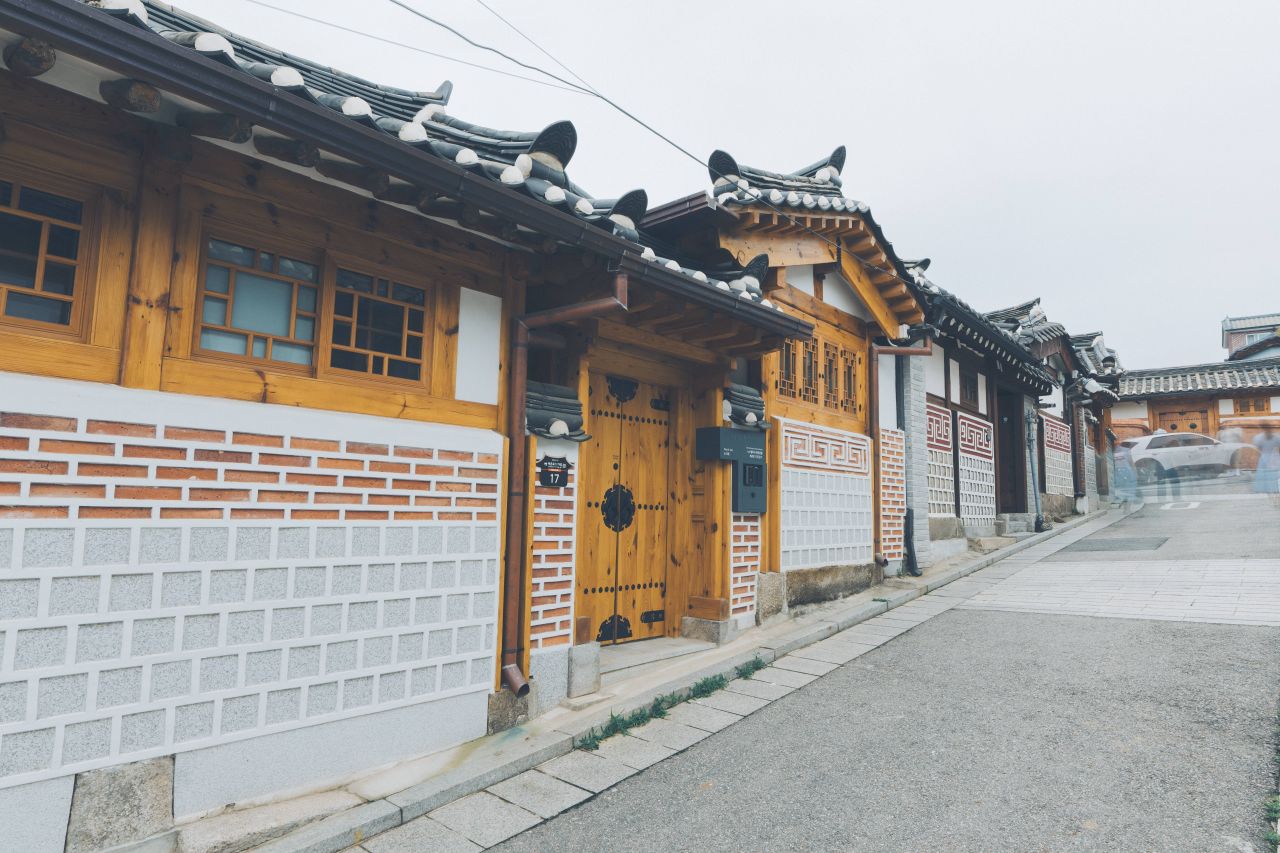
This sloped street is the single most-photographed stretch in Bukchon Hanok Village (Google Maps / Naver Map), where curved rooftiles cascade downhill against a backdrop of modern Seoul towers. My honest take: the view is genuinely striking, but it’s also exactly where every tour group herds first, so timing this one spot correctly matters more than any other decision you’ll make here. This is the exact street covered by the Red Zone restriction, meaning it’s only open to sightseers between 10:00 AM and 5:00 PM — arriving even 20 minutes before opening won’t help, since you simply can’t enter the restricted section until the gate hours begin.
Bukchon Traditional Culture Center
A cluster of hanok buildings function as a public cultural center where you can step inside an actual traditional house structure rather than just photographing exteriors from the lane. Skip the alley entirely and start here if your main interest is understanding hanok architecture rather than collecting photos — it’s a useful indoor pivot on a rainy day or during the hottest hours of a summer afternoon.
Gahoe-dong Residential Lanes
Away from the single famous alley, the wider Gahoe-dong lanes hold most of the actual lived-in hanok houses, with steeper inclines and quieter corners that most first-timers skip entirely because they don’t realize the neighborhood extends well beyond the one Instagram street. My pick if you want texture over a single perfect shot: wander here for 20-30 minutes after finishing Bukchon-ro 11-gil, keeping voices low since these are private homes, not exhibits.
Views Toward Namsan and the City Skyline
Because Bukchon sits on a hillside between Gyeongbokgung Palace and Changdeokgung Palace, several open points along the upper lanes give a clear line of sight toward Namsan Tower and the surrounding skyline. Worth the extra five minutes of uphill walking only if the sky is clear — on a hazy day the payoff drops noticeably.

Food & Local Cuisine
Why Bukchon Itself Isn’t a Food Destination
Bukchon Hanok Village is overwhelmingly residential, and unlike Jeonju Hanok Village, it was never built around a commercial dining strip — this is the single biggest expectation mismatch I see among first-timers who arrive hungry and hoping for a hanok-lined food street. If a meal is your priority, plan to eat before or after your Bukchon walk rather than during it.
Tea Houses Inside Hanok Buildings
A handful of traditional tea houses operate out of converted hanok along the upper lanes, serving items like omija tea (five-flavor berry tea) or ginger tea in a quiet courtyard setting. My advice: treat this as a 15-20 minute seated break mid-walk rather than a full meal stop, since seating is limited and these are small, family-run spaces.
Head to Insadong or Anguk for a Real Meal
Insadong Cultural Street (Google Maps / Naver Map) sits a short walk north of Bukchon and has the wider streets and denser restaurant rows the village itself lacks, from traditional Korean set-course meals to street food stalls. This is where I’d actually schedule lunch: finish Bukchon by late morning, then walk into Insadong while it’s still relatively calm before its own weekend crowds build.
Getting There & Getting Around
Subway to Anguk Station
Take Seoul Subway Line 3 to Anguk Station (Google Maps / Naver Map), Exit 2 or 3, then walk approximately 5-10 minutes uphill. This is by far the most reliable route, and it’s the one I’d recommend to nearly every traveler regardless of where they’re starting from in Seoul.
Walking Uphill (and What Surprises First-Timers)
The walk from Anguk Station isn’t flat — it’s a steady uphill grade the entire way, and the closer you get to Bukchon-ro 11-gil, the steeper the final stretch becomes. This is what catches people off guard, especially anyone wearing a hanbok rental or unfamiliar with how much of central Seoul sits on hillsides. Budget closer to 10 minutes than 5 if you’re not used to hills, and wear shoes you can actually walk in.
Bus Option (Best for Hanbok Wearers)
The green branch bus No. Jongno 02 runs up into the neighborhood, alighting at the Bukchon Hanok Village bus stop or Donmi Pharmacy stop. If you’re wearing a hanbok rental — a popular choice since many nearby shops rent them for photos — taking this bus uphill from Anguk Station saves you from climbing the steepest section in restrictive traditional clothing and formal shoes.
Walking From Nearby Palaces
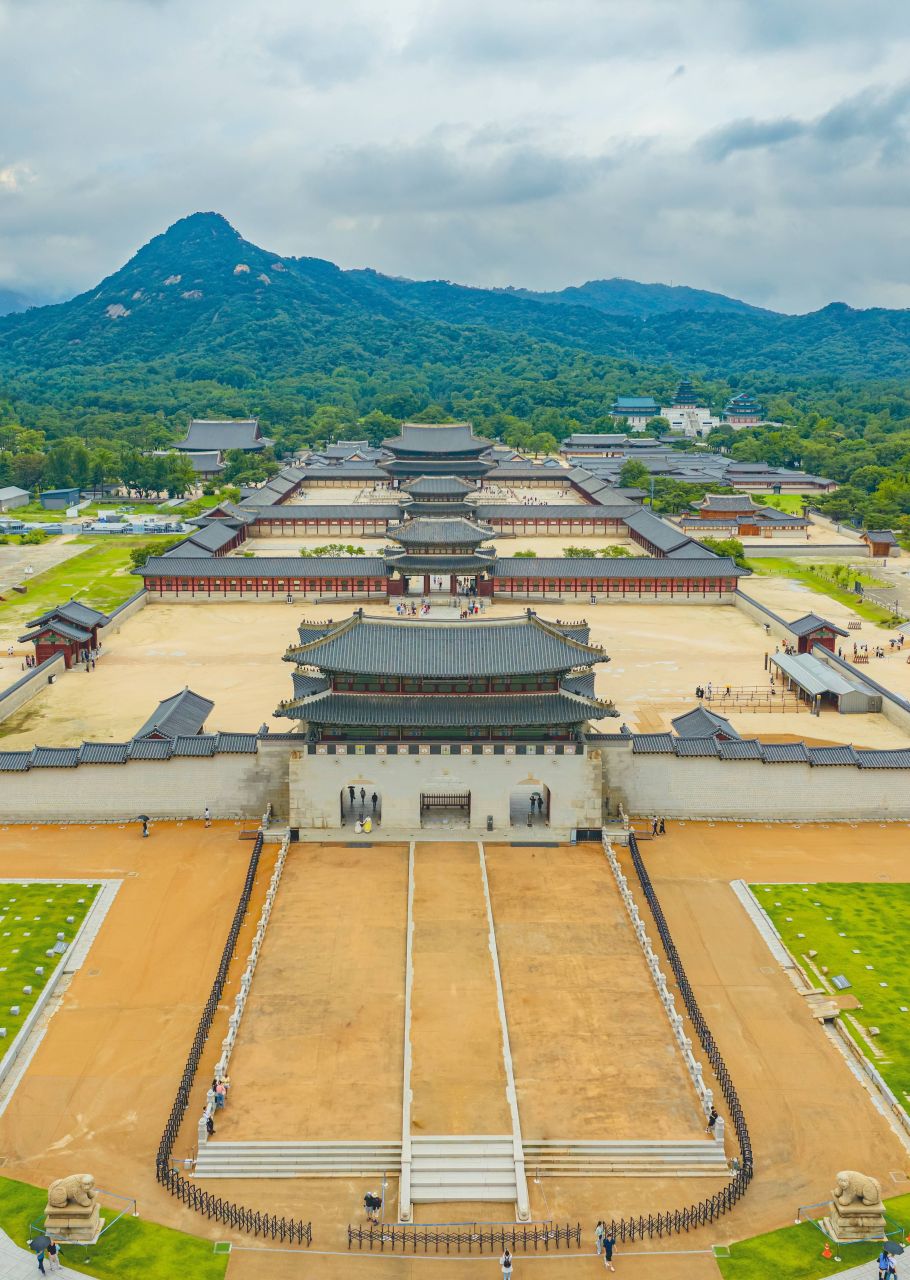
Bukchon sits directly between two of Seoul’s major palaces, which makes it easy to fold into a single day. From Gyeongbokgung Palace (Google Maps / Naver Map), it’s roughly a 5-minute walk east into the village. From Changdeokgung Palace (Google Maps / Naver Map), you walk west directly into the neighborhood. This proximity is exactly why competitor guides and my own routing both suggest pairing a palace visit with Bukchon in the same morning.
Chartered Tour Buses (Restricted)
If you’re on an organized tour, note that chartered buses face their own restriction across a roughly 2.3km zone covering Bukchon-ro, Bukchon-ro 5-gil, Bukchon-ro 4-gil, and Changdeokgung-gil 1, enforced at all times including weekends — with fines starting at 300,000 KRW and rising to 500,000 KRW for repeat violations once enforcement begins in January 2026. Tour operators should be dropping passengers outside this zone and walking in.
Essential Tips for Bukchon Hanok Village
Understanding the Red Zone and Its 10 AM-5 PM Rule
The “Red Zone” is the roughly 34,000㎡ stretch centered on Bukchon-ro 11-gil, and it’s the only part of the village under a hard visiting-hours restriction — the rest of the neighborhood has no such curfew. Inside this zone, tourist-purpose visits (photography, sightseeing, or simply loitering with no other purpose) are permitted only 10:00 AM to 5:00 PM daily; entering for tourism between 5:00 PM and the next day’s 10:00 AM is what triggers the fine, set at 100,000 KRW and potentially reduced by up to half under a local ordinance. Residents, their family and acquaintances, shop customers, merchants, and genuine passers-by are exempt, but acting like a tourist (posing for photos, wandering without purpose) can still draw a fine even during exempt hours. Enforcement began March 1, 2025 after a guidance period, so treat this as a firm rule, not a suggestion — my take is that the fine risk simply isn’t worth testing.
My Optimal 10 AM-12 PM Walking Route
Arrive at the Bukchon-ro 11-gil entrance right at 10:00 AM opening, not 15 minutes later — that gap is enough time for the first tour buses to unload. Walk the main sloped photo section first while it’s genuinely empty, then branch into the quieter Gahoe-dong lanes for 20-30 minutes as the alley fills up. By 11:30-noon, main alleys often clear slightly again as tour groups head off for lunch, giving you a second, shorter photo window before you exit toward Insadong or a palace for the rest of your day. This two-window approach — opening rush, then the pre-lunch lull — is the single most effective sequencing I’ve found for avoiding the worst of the crowd.
Common Mistakes to Avoid
Foreign visitors frequently assume Bukchon operates like an open-air museum where the whole neighborhood is fair game for wandering and photography at any hour — but because the Red Zone rule applies specifically to Bukchon-ro 11-gil and is enforced with a real fine, arriving at 8 AM for “quiet sunrise photos” on that exact street now means walking into a restricted area, not an early perk. Another recurring mistake: opening private gates or peering into courtyards to get a better shot, which residents have reported repeatedly and which is precisely the behavior driving stricter local rules in the first place — these gates lead to someone’s actual front door, not a display. A third mistake is expecting a shopping-and-cafe street similar to other hanok districts; because Bukchon is primarily residential, visitors who budget an entire afternoon here often find themselves finished in under two hours and unsure what to do next — pair it with a palace or Insadong from the start rather than discovering the gap on-site.
Is Bukchon Worth Visiting If You Have Limited Time?
If you’re choosing between Bukchon and a single other hanok village, my take is that Bukchon earns its reputation for the Bukchon-ro 11-gil skyline view specifically, not for a broader “hanok village experience” — that’s better found at Jeonju Hanok Village, which has far more cafes and shops packed into a smaller footprint. Visit Bukchon if the palace-skyline photo matters to you and you’re already nearby; skip it in favor of Jeonju Hanok Village if you have only one hanok stop in your itinerary and want a livelier, more commercial feel.
Seasonal Timing
Spring (April-May) brings cherry blossoms to the surrounding hillside and softer light for photos, while autumn (October-November) brings crisp air and fall foliage without summer’s humidity — both seasons also happen to draw the heaviest weekend crowds, so the weekday-morning strategy matters even more during these peak months than in winter.
Where to Stay
Hanok Guesthouses Within Bukchon
A number of the neighborhood’s own traditional houses have been converted into small guesthouses, letting you sleep on ondol floor heating inside an actual hanok rather than just visiting one for a few hours. This is worth it only if you specifically want the hanok-sleeping experience and don’t mind narrow, steep lane access for luggage — not a practical pick if you’re arriving with large suitcases.
Mid-Range Hotels Near Anguk and Insadong
The Anguk and Insadong area, a short walk from Bukchon, holds a solid cluster of mid-range hotels and boutique stays that put you within walking distance of Bukchon, Gyeongbokgung, and Insadong’s restaurant rows without the logistical hassle of hanok-style stairs and thresholds. My pick for most travelers: this zone balances walkability against Bukchon with actual modern room comfort.
Budget Guesthouses and Hostels
Standard guesthouses and hostels are scattered through the Jongno-gu area within a 10-15 minute walk or short bus ride of Anguk Station, offering a lower-cost base for travelers prioritizing budget over the boutique hanok-stay experience. Skip this tier only if you specifically want the traditional hanok sleeping experience described above — otherwise it’s the most practical choice for a short Seoul stay centered on the palace district.
In Conclusion
Bukchon Hanok Village rewards visitors who plan around its restricted hours rather than fighting them: arrive right at 10:00 AM on a weekday, walk Bukchon-ro 11-gil first while it’s empty, then loop through the quieter Gahoe-dong lanes before the pre-lunch lull gives you a second clear window. Respect the Red Zone’s 10 AM-5 PM tourist restriction to avoid the roughly 100,000 KRW fine, keep your visit short since the neighborhood is genuinely residential rather than commercial, and fold in Gyeongbokgung Palace, Changdeokgung Palace, or Insadong to fill out your day. Get the timing right and Bukchon delivers one of central Seoul’s most striking skyline views with almost no crowd in the frame.
Discover more from Korea Visiting
Subscribe to get the latest posts sent to your email.