Planning a Hapjeong and Sangsu-dong guide usually starts with one worry: you want the Hongdae energy without being packed shoulder to shoulder on the main strip. Maybe you’ve seen photos of small cafes, studios and river views, and you can’t tell where one neighborhood ends and the next begins. Maybe you’re deciding whether to stay near Hapjeong Station or Sangsu Station, or just pass through on a half-day trip.
Hapjeong, Sangsu-dong and Hongdae sit side by side in Mapo-gu, on the west side of Seoul. They feel very different. Hongdae is loud and built for nightlife. Hapjeong and Sangsu-dong are slower and more residential, and they suit wandering with no fixed plan. You’ll need a few practical choices, though: which station to use, which direction to walk, and what to skip so you don’t tire yourself out.
Key Takeaways
- Hapjeong and Sangsu-dong are both a short walk from Hongdae, so you can combine all three in one day.
- Hapjeong Station (Lines 2 and 6) and Sangsu Station (Line 6) are the two main entry points. Pick one to start and the other to finish.
- Wander the side lanes rather than the main roads. The best moments here come from small cafes, studios and quiet corners.
- Pay with a T-money card. The base subway fare is ₩1,550.
- Don’t plan a rigid schedule. The area rewards slow, flexible walking.
Hapjeong and Sangsu-dong Guide at a Glance
- Why visit: You get the creative, youthful feel of the Hongdae area at a calmer pace, with fewer crowds and more room to walk and sit.
- What you will see and experience: Small independent cafes, converted houses, galleries, studios, side-street shops, and quiet residential lanes. Hapjeong leans toward everyday neighborhood life and easy access to the river. Sangsu-dong has a more artsy, browse-and-linger feel.
- Getting there: Hapjeong Station is served by Lines 2 and 6, and Sangsu Station by Line 6. Hongik University Station is nearby, so you can easily reach all three neighborhoods from central Seoul on one transit card.
- Tickets and admission: Walking the streets costs nothing. You only pay for what you order in cafes and shops, and for your subway fare (₩1,550 with a T-money card).
- Tips from past visitors: Visitors commonly say the area is best explored on foot without a strict route. They also point out that the best spots are often a block or two off the main road.
- Nearby spots worth combining: Hongdae is the obvious pairing, and the three neighborhoods connect easily on foot. Pair them for a full day of exploring.
What Makes Hapjeong and Sangsu-dong Different from Hongdae?
Hapjeong and Sangsu-dong are quieter, more residential and slower than Hongdae. Hongdae is built around street performance, nightlife and heavy foot traffic, and the other two neighborhoods are built around small businesses tucked into ordinary streets.
Is Hapjeong or Sangsu-dong better for first-timers?
Neither is strictly better, because they offer different moods. Hapjeong suits you if you like a local, lived-in feel and want a base with two subway lines. Sangsu-dong suits you if you want to browse small shops and cafes along narrow lanes. Most first-timers get the most out of doing both in one outing, since they’re close enough to link on foot.
Why do people call these streets “quieter”?
The quiet comes from the layout. Much of the area is made up of low-rise buildings, small side streets and homes mixed with shops. Without big entertainment complexes, crowds spread out instead of gathering in one spot. You’ll still see people on weekends, but you can usually find a seat and a sidewalk.
Things to Do in Hapjeong and Sangsu-dong
The best things to do here are slow ones: walking side streets, stopping at small cafes, browsing independent shops and galleries, and letting a route form naturally. This isn’t a checklist destination, so give yourself time rather than a long to-do list.
Wander the side lanes
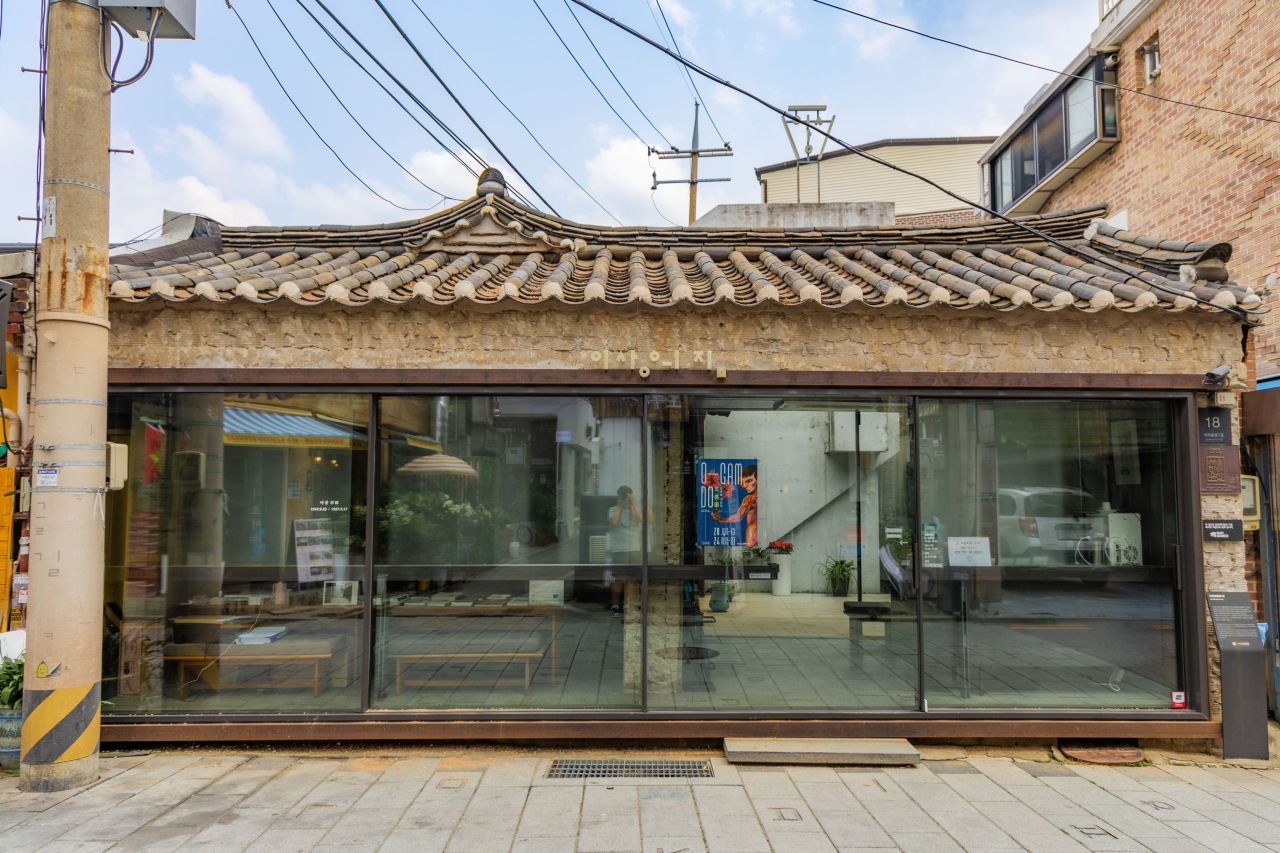
Start from the station and turn off the main road as soon as you can. The converted houses, small studios and shopfronts with hand-painted signs are on the narrow lanes, not the wide avenues. If a street looks quiet and interesting, follow it. Dead ends are rare, and most lanes loop back to a larger road.
Cafe-hop without overplanning
Cafes are a big part of the experience, and the area has a great many small ones. Rather than racing to a famous name, choose a place that looks calm when you pass it. Peak weekend afternoons are the busiest, so stopping earlier in the day gives you a better chance of a quiet table. Check the current menu and prices on the spot.
Browse shops and small galleries
Independent shops selling stationery, handmade goods, vintage clothing and local design are common here. Small galleries and studios also appear tucked between cafes. You don’t need to buy anything. Browsing is the point, and shop owners generally leave you to look.
Add a stretch of Hongdae
Because Hongdae is so close, you can walk over for a taste of the busier scene, then retreat when you’ve had enough. This is the main advantage of basing yourself here. You can visit the loud neighborhood without being stuck in it.
How to Get to Hapjeong and Sangsu-dong by Subway
The easiest way to reach the area is by subway: Hapjeong Station is on Lines 2 and 6, and Sangsu Station is on Line 6. Hongik University Station is also close, so all three neighborhoods fall within one small area.
Which station should you pick?
Choose Hapjeong Station if you’re coming from a Line 2 route or want a transfer point between two lines. Choose Sangsu Station if you want to start closer to the quieter lanes in Sangsu-dong. Many visitors enter at one and leave from the other, which avoids backtracking. Both stations are connected by a walkable stretch, so you don’t need to ride between them.
How much does it cost?
The base subway fare is ₩1,550 with a T-money card, or ₩1,650 with a single-journey ticket. Transfers within 30 minutes are free up to the distance-based fare. For a trip that stays within central Seoul, you’ll rarely pay much more than the base fare.
Using landmarks to find your way
Naver Map works far better than Google Maps in Korea, so use it for walking directions. For orientation, the Hapjeong-dong Community Center (11 Worldcup-ro 5-gil) is a useful local reference point. It’s a neighborhood administrative office rather than a tourist attraction, so you don’t need to go inside, but it helps you confirm where you are on the map. You can open it on Naver Map or Google Maps.
A Simple Half-Day Route Through Hapjeong and Sangsu-dong
A relaxed half-day route is to start at one station, wander the side lanes, stop for a cafe, and finish by walking toward Hongdae. This gives you a mix of calm and energy without a tight schedule.
Begin at Hapjeong Station and head away from the main road onto the quieter lanes. Keep your pace slow and your phone map closed as long as you can. Mid-route, stop at a cafe that looks calm. Then continue toward Sangsu-dong, where the lanes feel more creative and the shops get smaller. Finish with a walk toward Hongdae if you want evening energy, or return to Sangsu Station if you’ve had enough.
Reverse the order if you prefer. Starting at Sangsu Station and ending at Hapjeong leaves you near two subway lines at the end of the day, which is handy if you’re tired and heading back across the city.
Common Mistakes When Visiting Hapjeong and Sangsu-dong
The most common mistakes come from treating the area like a single landmark instead of a collection of small streets. Each one below costs you time or energy for a specific reason.
Following only the main roads
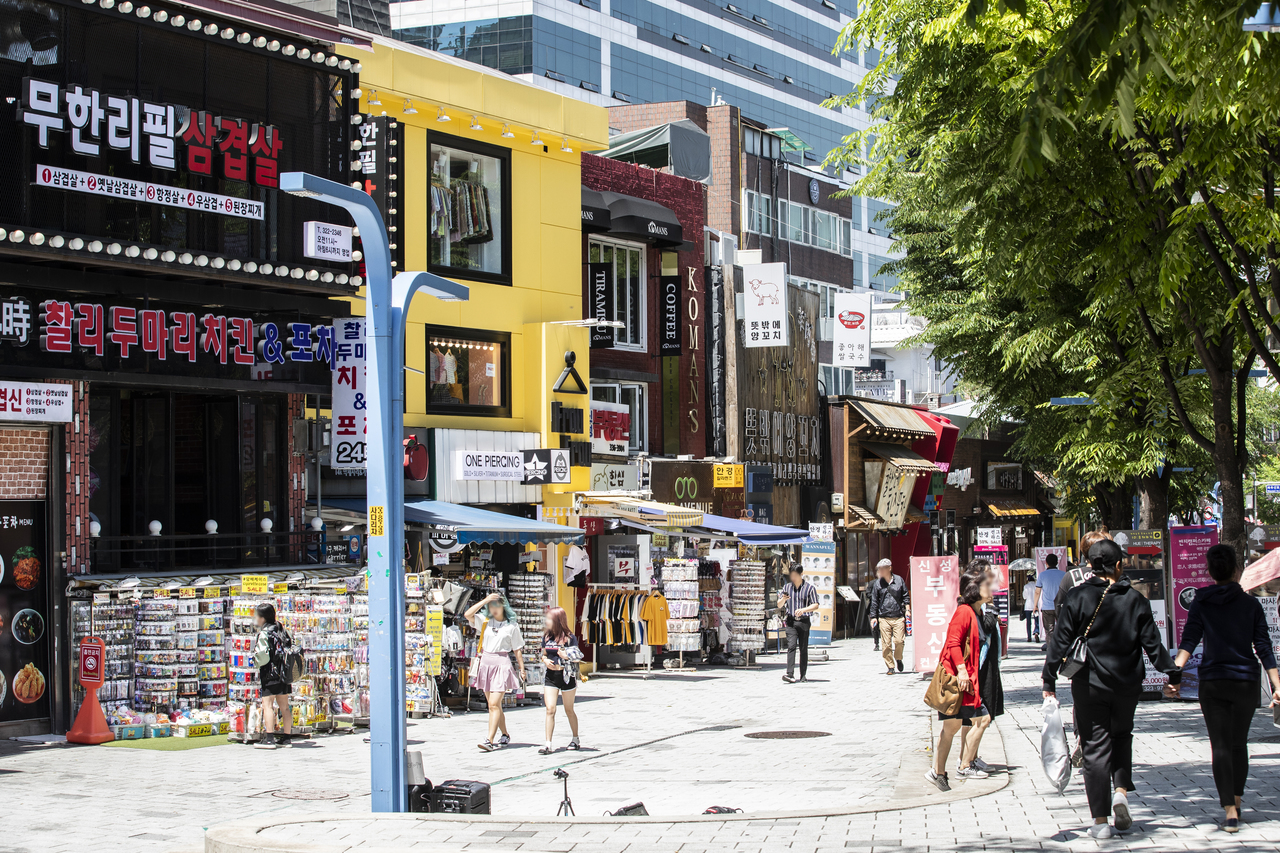
Main roads here are wide and mostly lined with chain stores and traffic. The things people come for sit on side lanes, so sticking to the avenue means you walk a long way and see little.
Arriving with a rigid itinerary
Small shops and cafes don’t operate on fixed, predictable schedules, and a packed plan leaves no room to adjust when a place is closed or full. A flexible route lets you swap one stop for another without stress.
Choosing the busiest time for a quiet visit
The area is calmer than Hongdae, but weekend afternoons still draw crowds. If quiet is the goal, aim for earlier in the day or a weekday. Cafe seating is limited, so arriving at peak time can mean waiting.
Relying only on Google Maps for walking
Google Maps is less accurate in Korea, especially on narrow lanes and for small business listings. Naver Map gives better walking directions and place information, so keep it ready on your phone.
Assuming a taxi is easier
Distances between the stations and lanes are short, and many streets are narrow with limited traffic access. Walking is usually faster and more enjoyable than waiting for a ride.
Practical Tips for a Smoother Visit
Good shoes, a charged phone and a flexible mindset matter more here than any booking. The neighborhoods are walkable, but you’ll cover more ground than you expect.
Wear comfortable footwear, because lanes can be uneven and you’ll be on your feet for hours. Carry a T-money card so you can move between stations without buying single tickets each time. Keep some cash or a card handy for small shops, as payment options vary from place to place. If a cafe is full, don’t wait long. Another one is usually a few minutes away. Finally, check opening days on Naver Map before you commit to a specific stop, since small businesses often close on certain weekdays.
Frequently Asked Questions
Are Hapjeong and Sangsu-dong within walking distance of Hongdae?
Yes. The three neighborhoods sit next to each other in Mapo-gu, and visitors commonly link them on foot. You can also use the subway if you’d rather save your energy.
Which subway lines serve Hapjeong and Sangsu-dong?
Hapjeong Station is served by Lines 2 and 6, and Sangsu Station is on Line 6. Hongik University Station is close by for access to Hongdae.
How much does it cost to visit?
Walking the streets is free. You only pay for cafes, shops and your subway fare, which is ₩1,550 with a T-money card for the base fare.
Is it better to visit on a weekday or a weekend?
Weekdays are generally calmer, and earlier hours are quieter on weekends. If you want livelier streets and more open shops, a weekend works, but expect more people at cafes.
Can I do Hapjeong, Sangsu-dong and Hongdae in one day?
Yes. A half day is enough for the quieter neighborhoods, and you can add Hongdae in the late afternoon or evening. Keep the route flexible so you don’t end up tired.
In Conclusion
Hapjeong and Sangsu-dong give you the creative feel of the Hongdae area at a gentler pace. Use Hapjeong Station (Lines 2 and 6) and Sangsu Station (Line 6) as your start and end points, and pay with a T-money card, with the base fare at ₩1,550. Leave the main roads early and follow the side lanes, since that’s where the cafes, shops and studios are. Keep your plan loose, and use Naver Map for walking. Aim for earlier hours or weekdays if you want the quietest streets. With a flexible route, you can finish with a walk into Hongdae or head home without feeling rushed.
Discover more from Korea Visiting
Subscribe to get the latest posts sent to your email.