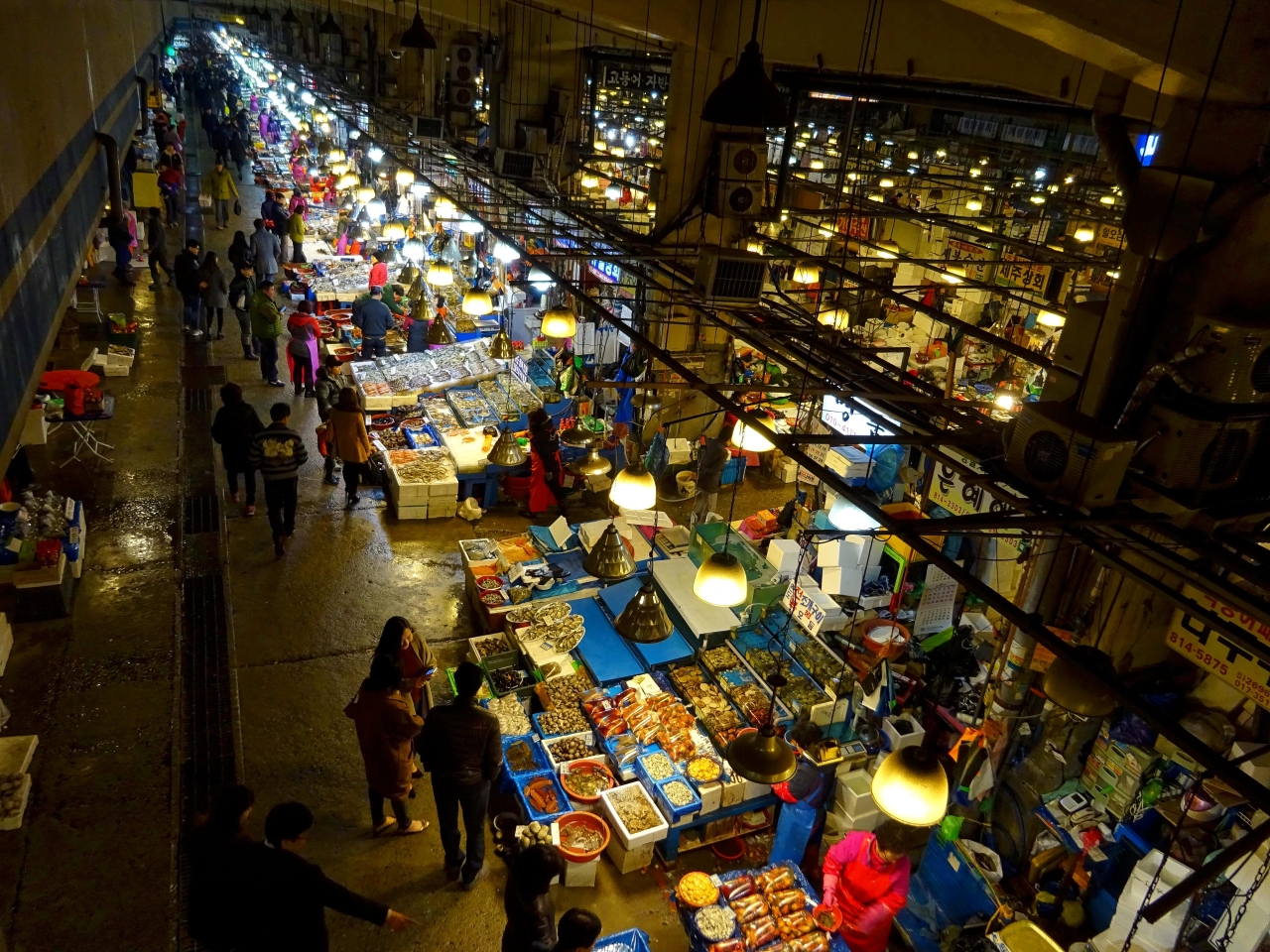
Noryangjin Fish Market can feel overwhelming the moment you step off the escalator into a hall of shouting vendors, ice-packed tanks, and price tags that all look the same — and figuring out whether you’re getting a fair deal or a tourist markup is the real challenge here, not finding the market itself. Most first-time visitors arrive with the same worry: they’ve read that the seafood is fresh and the experience is unforgettable, but they’ve also read horror stories about overcharging, confusing per-person cooking fees, and vendors who don’t budge for anyone who doesn’t speak Korean. The good news is that the system at Noryangjin, once you understand it, is not actually complicated — it just isn’t explained anywhere on-site. Knowing the buy-then-cook process, what cash and card actually get you, and which seafood is worth your money changes the whole visit from stressful to genuinely enjoyable.
Key Takeaways
- The process is always the same: buy raw seafood on the ground floor, then carry it upstairs to a restaurant that cooks it for a per-person service fee.
- Cash gives you real negotiating leverage; cards work at many stalls but weaken your bargaining position.
- King crab is the item most likely to disappoint on price — budget-friendly picks like flounder (gwangeo) are the smarter first purchase.
- Comparing two or three vendors before buying is standard practice, not rude, and it’s the single biggest defense against overpaying.
- Reservation-only restaurants like Sushi 101 fill up fast on weekends, so plan your upstairs seating before you shop downstairs.
Noryangjin Fish Market at a Glance
Why visit: this is Seoul’s largest wholesale seafood market, and it’s the place to watch live octopus, king crab, and blue crab change hands before eating them minutes later on the floor above.
What you’ll see and experience: rows of tanks holding flounder, sea bream, abalone, and shellfish, wholesalers calling out prices, ice being shoveled between stalls, and an upstairs food court smell of grilled fish and simmering broth drifting down the stairwell.
Getting there: the market (Naver Map / Google Maps) sits right beside Noryangjin Station, so most visitors simply follow signs out of the station toward the river-facing exit and walk a few minutes along a covered overpass directly into the building — no bus transfer needed if you’re coming by subway.
Hours: the retail floor is open year-round with no closing day — the premium live-fish stalls run 24 hours, and most general stalls trade from roughly 01:30 to 22:00. The wholesale auctions start between midnight and 03:00 (shellfish at 01:00, premium live fish at 03:00) and pause on Sundays, January 1, and the Seollal and Chuseok holidays; the second-floor restaurants keep their own hours, so check ahead if you’re planning a late dinner.
Tickets and admission: there is no entrance fee to walk through the market itself; you only pay for the seafood you buy and the separate cooking/service charge at the restaurant upstairs.
Tips from past visitors: bring cash, walk the full floor before buying anything, and decide on your restaurant before you shop so you’re not carrying bags of seafood while comparison-shopping for a table.
Nearby spots worth combining: some visitors buy a takeaway sashimi or sushi pack from the market and head toward the Han River for a picnic, with the Yeouinaru area being a popular riverside spot for exactly this kind of takeaway meal.

How the Noryangjin Fish Market Process Actually Works
The entire Noryangjin experience runs on one simple sequence: buy raw seafood on the ground floor, carry it upstairs, and pay a separate fee to have it prepared and served. First-timers often expect a single transaction like a restaurant meal, and the two-step, two-payment system is the biggest source of confusion I hear about before people even arrive.
You start on the main trading floor, where hundreds of small vendor stalls display live and iced seafood — flounder, octopus, sea squirt, abalone, king crab, blue crab, and seasonal catches. You pick a stall, agree on a fish or shellfish and a price, and the vendor weighs, kills, and preps it for you, sometimes slicing it into sashimi right there. They’ll pack it in a bag or tray. From here, you take your purchase to the stairs or elevator up to the second-floor food court, hand your seafood to a restaurant, and they cook or plate it for a per-person fee — typically covering the cooking, side dishes (banchan), rice, and seating. That per-person charge, usually somewhere in the 5,000–15,000 KRW range depending on the restaurant and how the seafood is prepared, is the part travelers most often don’t budget for. It’s not a scam; it’s simply the business model — the vendor sells the raw product, the restaurant sells the service of turning it into a meal.
One detail that surprises almost everyone: ask your restaurant to make maeuntang (spicy fish stew) from the leftover bones and head of your fish once the sashimi course is finished. Many restaurants do this automatically or for a small extra charge, and it’s often the best part of the meal — nothing goes to waste, and you get a hot, hearty finish to a mostly raw meal.
How to Order and Pay Without Overpaying
The single most effective way to avoid overpaying at Noryangjin Fish Market is to walk the floor and compare at least two or three vendors before committing to anything — prices for the same fish can swing noticeably from stall to stall on the same day. Vendors expect this; browsing without buying is completely normal here, not impolite.
Haggling is part of the culture, and it works best when you already have a sense of the going rate. Real-time seafood price-checking apps used by locals (Tpirates is the one most frequently recommended by regular visitors) let you see roughly what a kilogram of a given fish should cost that day, which gives you a number to reference instead of just accepting the first quote. Even a simple “can you do a better price?” gesture, paired with pointing at a competing stall, often gets a small discount.
On payment: cash genuinely gives you more room to negotiate, since vendors can adjust a price on the spot without running a card transaction, and some smaller individual stalls either don’t accept cards or prefer not to for small amounts. Larger stalls and most upstairs restaurants do take cards, so you’re not required to carry large sums of cash — but if your main goal is squeezing out a better per-kilogram price, arriving with cash puts you in a stronger position from the first sentence of the negotiation.
The language barrier is the other half of the overcharging problem. If you can’t confirm the price per kilogram or the total weight in Korean, it’s harder to catch a quote that’s been rounded up for a visitor who looks unlikely to push back. Pointing at the scale, repeating the number back, and using a translation app to confirm “per kilogram” versus “total price” before the vendor starts cutting the fish removes most of that risk.
What to Buy: Best Seafood Picks for First-Timers
Olive flounder (gwangeo) is consistently the best first purchase at Noryangjin Fish Market — it’s one of the more affordable raw-fish options, in steady supply, and forgiving if you’re new to judging freshness by eye. Vendors selling sliced fish and fillets by weight are a practical option if you want a smaller, pre-portioned amount rather than negotiating a whole live fish; expect sliced fillets priced by the 100 grams, with combination bowls of fish trimmings over rice offered as a lower-cost way to sample multiple types at once.
King crab is the item I’d be most cautious about as a first-time purchase. It’s usually priced high and often sold frozen rather than live, and because it’s the single most requested “special occasion” item, it’s also the one where a small misunderstanding on weight or price per kilogram costs you the most. If king crab is the whole reason for your visit, ask directly whether it’s fresh/live or frozen before agreeing on a price, and compare at a wholesaler like Daeseong Susan, which deals in raw crab, before settling on the first stall you see.
Blue crab is worth knowing the seasonal caveat: crab caught right after molting has a softer shell and less-filled meat, so if you’re buying in late summer, choosing a larger, pricier crab reduces the odds of an unsatisfying, half-empty shell. For live-fish shopping, a holding-tank wholesaler such as Seoul Susan in the basement level is a good stop for flounder and sea bream sold straight from the tank. And if you spot mineo (croaker) being sold for sashimi, it’s better cooked than raw — the texture doesn’t hold up well uncooked, something regular visitors mention more than the menus do.
Eating Upstairs: Restaurants and the Sushi 101 Food Court
The second floor of the Noryangjin Fish Market building holds the restaurants where your raw purchase gets turned into a meal, and one name comes up more than any other: Sushi 101, a reservation-only, all-you-can-eat sushi restaurant charging a flat rate for unlimited rounds. It’s a different model from the typical “buy downstairs, cook upstairs” flow — you’re paying a set price for a rotating belt of prepared items like shrimp tempura, tuna belly, scallop and uni gimbap, aged-kimchi flounder sushi, ankimo, and eel, with paid add-ons for frozen king crab or live Canadian lobster if you want something beyond the standard spread. Because it’s reservation-only, walking in without booking ahead is the most common reason visitors get turned away on weekends. If you’re heading there, note that the shared entrance for the second-floor restaurants isn’t through the main first-floor market doors — you’ll want to look for the outside stairway rather than trying to cut through the trading floor.
If you go the traditional route instead — buying your own fish downstairs and carrying it up — nearly every second-floor restaurant offers the same basic service: cooking or slicing your purchase, plating it with banchan and rice, and finishing with maeuntang from the leftover bones. These restaurants generally don’t require reservations the way Sushi 101 does, since you’re bringing your own ingredient rather than ordering from their stock, but on a busy Saturday afternoon you may still wait for a table.
Getting to Noryangjin Fish Market by Public Transportation
Noryangjin Fish Market is one of the easiest wholesale markets in Seoul to reach because it sits directly beside Noryangjin Station, served by both Line 1 and Line 9. From the station, a covered pedestrian overpass leads straight into the market building, so you’re walking indoors for most of the short route rather than navigating surrounding streets. If you’re coming from central Seoul, both lines connect easily to major transfer hubs, making this one of the more straightforward day-trip destinations for anyone without a car. There’s no need to catch a separate bus unless you’re coming from an area with no direct subway access, in which case local buses stopping near Noryangjin Station will also get you within a short walk of the entrance.
Common Mistakes First-Time Visitors Make
Accepting the first quoted price is the most expensive mistake at Noryangjin Fish Market, because the opening price at most stalls is set expecting some negotiation — vendors aren’t quoting a fixed shelf price the way a supermarket does, so walking away with the first number you hear usually means paying more than a visitor who compared two or three stalls first.
Forgetting to budget for the upstairs cooking fee is the second most common surprise. Because the seafood purchase and the restaurant service are two separate payments, visitors who only planned for the cost of the fish are caught off guard when the bill for cooking, side dishes, and seating arrives on top of it — this isn’t a hidden charge, it’s just a two-part system that nothing on the ground floor explains.
Choosing king crab as a first purchase without asking whether it’s live or frozen is a mistake that compounds the language barrier: crab is priced and negotiated in a way that rewards experience, and a visitor who can’t clarify price-per-kilogram terms in Korean is the customer most likely to end up disappointed with the final price.
Assuming every stall takes cards is another avoidable snag — some smaller individual vendors run cash-only or strongly prefer cash for quick transactions, so arriving without any cash on hand can mean losing your negotiating position or, at a few stalls, being unable to buy at all.
Finally, showing up on a weekend around midday without a plan for where to eat means competing with the heaviest foot traffic of the week; reservation-only spots like Sushi 101 fill their booking slots first, and even the traditional cook-your-own-catch restaurants get crowded, so deciding on a restaurant before you start shopping downstairs saves real time.
Frequently Asked Questions
How does buying and eating at Noryangjin actually work?
You choose and pay for raw seafood at a ground-floor vendor stall, then carry it upstairs to a restaurant that cooks or slices it for you and charges a separate per-person service fee covering preparation, side dishes, and rice. It’s a two-payment system, not a single restaurant transaction, so plan for both costs.
Is Noryangjin worth visiting for king crab, or is a specialty restaurant better?
Noryangjin works well for king crab if you’re comfortable clarifying live-versus-frozen and price-per-kilogram terms before buying, since it’s usually cheaper than a dedicated restaurant markup. If price certainty matters more to you than negotiating, a specialty restaurant with a fixed menu price removes that uncertainty entirely.
Do the upstairs restaurants require a reservation?
Only some do — Sushi 101, the reservation-only all-you-can-eat sushi restaurant, requires booking ahead, especially on weekends. Traditional restaurants that simply cook the seafood you bring up from downstairs generally don’t take reservations, though you may still wait for a table during peak hours.
Should I bring cash or is a card fine?
Cards are accepted at many stalls and most restaurants, so you won’t be stuck without a payment method, but cash gives you noticeably more room to negotiate at individual vendor stalls, some of which are cash-only for smaller transactions.
How do I avoid being overcharged as a foreign visitor?
Compare prices at two or three vendors before buying, confirm whether the quote is per kilogram or a total price, and consider checking a real-time seafood pricing app before you start negotiating. Choosing accessible items like flounder over high-stakes purchases like king crab also lowers the risk of a costly misunderstanding.
In Conclusion
Noryangjin Fish Market rewards visitors who understand the system before they walk in: buy your seafood downstairs after comparing a few vendors, carry it up to a restaurant for cooking, and budget separately for that per-person service fee. Bring cash for better negotiating leverage, start with an approachable choice like flounder rather than jumping straight to king crab, and decide on your restaurant — especially if it’s reservation-only — before you start shopping. Handled this way, the market shifts from a confusing, potentially overpriced maze into one of the more memorable food experiences in Seoul: fresh seafood chosen with your own eyes, cooked minutes later, and finished with a bowl of maeuntang made from what’s left on the bones.
Discover more from Korea Visiting
Subscribe to get the latest posts sent to your email.