Seoul luggage storage comes down to three main choices: coin lockers at subway and train stations, staffed storage counters like T-Luggage, and app-based smart lockers or partner-shop networks such as LIT and Bounce. Which one you pick depends mostly on how long you need storage, how big your bag is, and whether you’re worried about lockers being full during peak hours. This guide breaks down every practical option available in Seoul as of 2026 — where to find them, what they cost, and how to avoid the most common first-timer mistakes, like arriving at a subway locker bank after midnight or discovering every locker near Hongdae Station is already taken on a Saturday afternoon.
Key Takeaways
- Subway coin lockers are the cheapest option, from about ₩2,200 for 4 hours, but only accessible 5:00 AM–12:00 AM and often full on weekends.
- T-Luggage offers staffed storage with no size limits plus city-to-airport delivery, roughly ₩3,000–₩9,000 for the first 4 hours.
- For multi-day storage or when lockers are full, app-based platforms like LIT and Bounce guarantee a spot and include loss/damage coverage.
- Large 32-inch suitcases need LIT, LuggageQ, T-Luggage, or a partner-shop service — most subway lockers cap out around 28 inches.
- Hotels will often store bags for free for guests, even for several days, so it’s always worth asking before paying for outside storage.
What Are Your Seoul Luggage Storage Options?
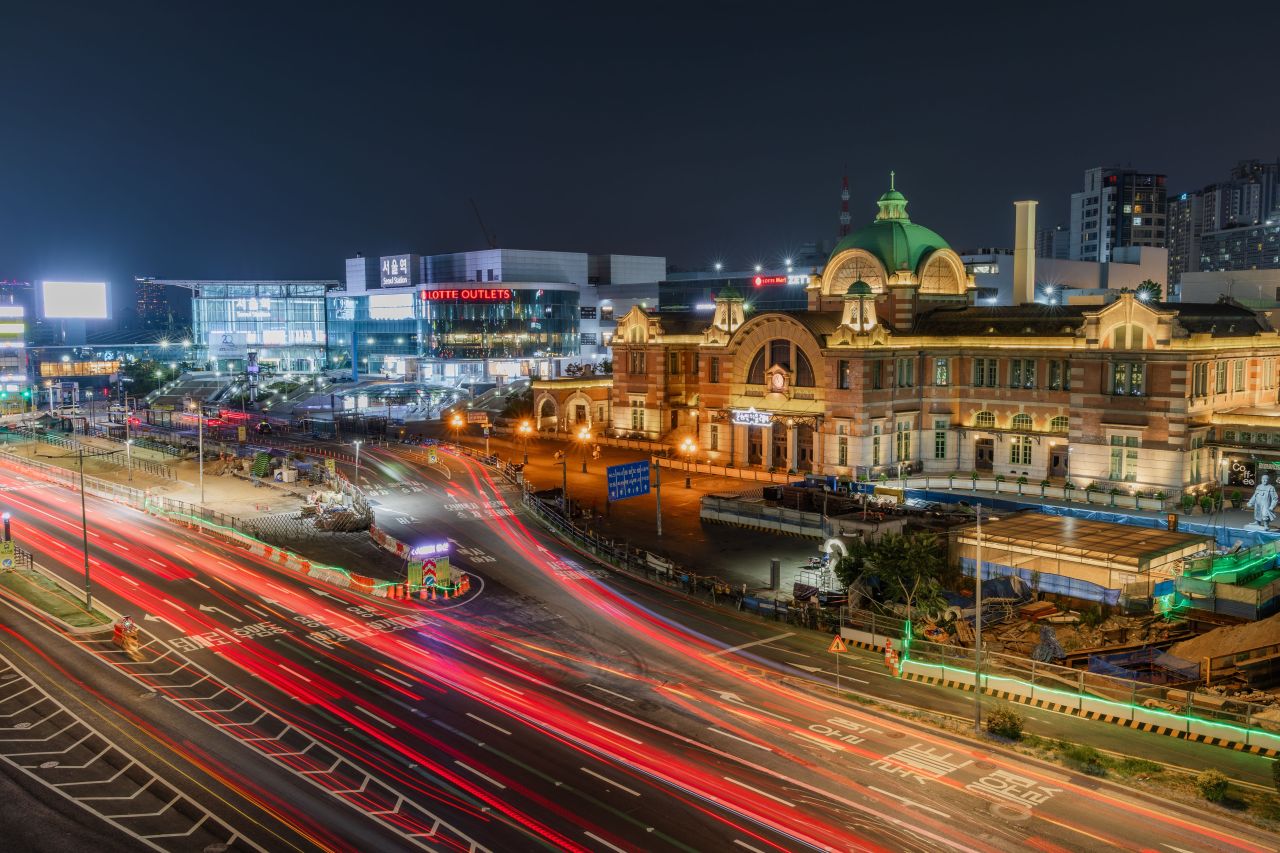
Seoul luggage storage generally falls into three categories: self-service coin lockers, staffed storage-and-delivery counters, and app-based smart lockers or partner-shop networks. Coin lockers are the cheapest and most widespread, found at 273 subway stations and major train stations like Seoul Station. Staffed services such as T-Luggage add human help, no size restrictions, and delivery between your accommodation and the airport. App-based platforms — LIT, Bounce, and newer 24/7 smart-locker brands like LuggageQ — fill the gap when subway lockers are full, when you’re storing overnight or for several days, or when you simply want a guaranteed reservation with insurance coverage before you even land in Seoul.
For a quick decision: if you’re storing a small-to-medium bag for a few hours during the day near a subway station, a subway coin locker is fastest and cheapest. If you have a large 28″+ suitcase, need storage overnight, or want peace of mind with loss/damage coverage, choose a staffed or app-based service instead — subway lockers close at midnight and standard sizes may not fit oversized luggage.

T-Luggage: Staffed Storage and Delivery Service
T-Luggage is a staffed storage and delivery service that solves the two biggest weaknesses of coin lockers: no size limit and the ability to book ahead. It operates counters at Seoul Station, Hongik University Station, Myeongdong Station, Jamsil Station, Gimpo International Airport Station, Jongno 3-ga, and Suseo, typically staffed from about 9:00 AM to 10:00 PM. As of August 2024 pricing, the first 4 hours cost about ₩3,000 (weekday) / ₩4,000 (weekend) for a small bag (~20″), ₩4,000/₩6,000 for a medium bag (20″–23″), and ₩6,000/₩9,000 for a large bag (23″–27″), with roughly ₩1,000 added per hour after that for oversized items.
Beyond storage, T-Luggage also delivers bags directly between your hotel and Incheon or Gimpo Airport, starting from about ₩17,000–₩20,000 on weekdays — genuinely useful if you’re switching hotels mid-trip or don’t want to drag suitcases through rush-hour subway transfers. Staff at every location speak some combination of English, Chinese, and Japanese in addition to Korean, which makes T-Luggage a reliable choice for travelers who’d rather hand a bag to a person than navigate an app.
Luggage Storage at Incheon and Gimpo Airports
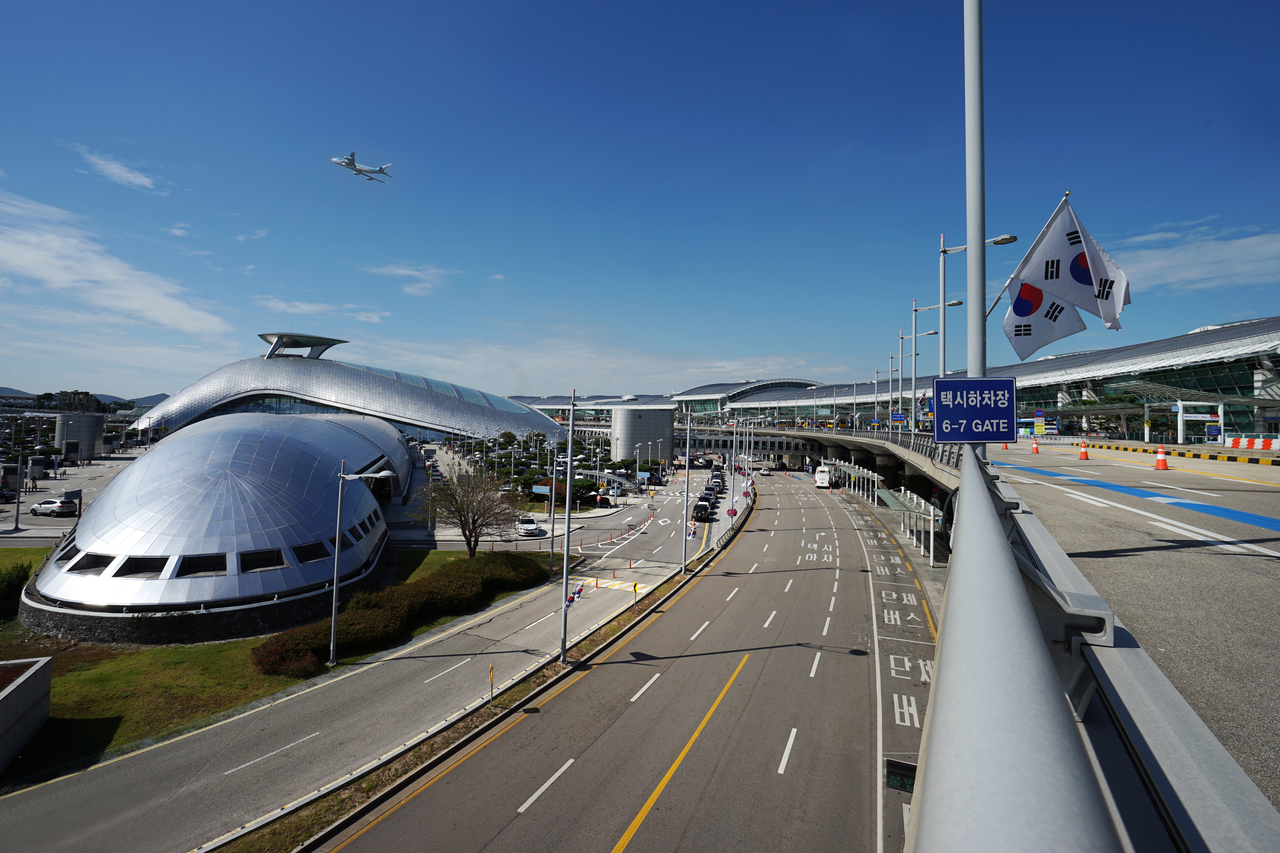
Both of Seoul’s airports have dedicated storage counters if you land early or have a late flight and want to explore the city luggage-free. At Incheon International Airport, Mirae Sending Depot (Terminal 1, Counter #25, 3rd floor) operates from about 5:00 AM to 9:00 PM, and Travel Store locations at both terminals (T1 and T2, B1 level) run roughly 6:00 AM to 9:00 PM. Pricing starts from about US$7/day for cabin-sized bags and US$9.10/day for larger cargo-sized bags, though daily rates for small items at Mirae Sending Depot start from about ₩6,000.
At Gimpo International Airport, coin lockers and a storage counter across from Exit 1 are available (hours around 6:00 AM–9:00 PM as of recent reporting, though travelers have noted temporary closures, so confirm on arrival), and the Lotte Mall Gimpo Airport branch offers free baggage storage at its information desk if you’re shopping there anyway. T-Luggage also has a counter inside Gimpo Airport Station, with storage running about ₩3,000–₩13,000 for the first 4 hours depending on bag size and day of the week as of August 2024 pricing.
Which Storage Option Should You Choose?
The right Seoul luggage storage option depends mainly on trip length, bag size, and how much certainty you need before you arrive. For a few hours between check-out and a flight with a small-to-medium bag, a subway T-Locker or Seoul Station locker is the cheapest and fastest choice. For a large suitcase, overnight storage, or any situation where you can’t risk arriving to find every locker full — weekends and holiday periods especially — book ahead with T-Luggage, LIT, Bounce, or a similar app-based service instead.
Multi-day storage, such as when you’re island-hopping to Jeju or taking a side trip to Busan and don’t want to haul luggage along, is where coin lockers fall short entirely, since they’re designed for same-day pickup and become expensive fast once hourly overage fees stack up. In that case, LIT’s daily rate (about ₩4,500–₩8,000/day) works out cheaper over several days than accumulating hourly locker fees, and it includes basic loss-and-damage protection that coin lockers don’t offer. If you’re hotel-hopping within Seoul, always ask your current or next hotel first — many will hold luggage for guests for several days at no charge, which beats paying for outside storage entirely.
Common Mistakes and Insider Tips
The most common mistake is assuming a coin locker will be available on arrival, especially at Seoul Station, Myeongdong, or Hongdae Station on a weekend — these fill up by early afternoon during peak season, so have LIT, Bounce, or T-Luggage as a backup rather than a first resort. A second frequent issue is bringing a bag larger than 28 inches to a standard subway locker; it simply won’t fit, so head straight to T-Luggage, LIT, or LuggageQ instead, all of which handle oversized suitcases.
Don’t forget that T-Locker and most station lockers close access between roughly midnight and 5:00 AM, so an early morning flight or a late-night arrival can leave you unable to retrieve your bag — plan pickup times around those hours, or choose a 24/7 option like LuggageQ. For payment, T-money cards, cash, and standard credit cards all work at most station lockers, though some locations may require a reservation app, so ask station staff in advance rather than trying to figure it out at the kiosk. Finally, if you’re storing luggage for more than a couple of days, mailing it ahead via Korea Post or a courier like Hanjin Delivery to your next hotel is often cheaper and less hassle than extended locker fees.
Frequently Asked Questions
Where can I store luggage for multiple days in Seoul?
Subway coin lockers are designed for same-day use and get expensive with multi-day hourly fees, so a daily-rate service like LIT (about ₩4,500–₩8,000/day as of 2026) is more cost-effective for storage lasting more than a day. Alternatively, ask your hotel if they’ll hold your bag for free — many will, even across several days, if you’re returning to the same city later in your trip.
Are there 24-hour luggage storage options in Seoul?
Yes — LuggageQ operates fully automated smart lockers at Seoul Station and Hongdae that are accessible 24/7, which covers early flights or late-night arrivals when subway lockers (open about 5:00 AM–12:00 AM) aren’t accessible. Most app-based platforms also let you schedule flexible pickup times outside typical shop hours if you book with a partner location in advance.
What size suitcase fits in a Seoul subway locker?
Standard T-Locker units at subway and train stations generally fit bags up to about 28 inches; anything larger typically won’t fit. For 30–32 inch suitcases, use T-Luggage, LIT, or LuggageQ instead, since none of these enforce strict size limits.
Do I need cash or a Korean payment method to use luggage lockers?
Most station coin lockers accept cash, T-money, or standard credit cards, though some locations may also require a reservation app. App-based platforms like Bounce accept foreign credit cards directly through their apps, making them convenient if you haven’t picked up a Korean transit card yet.
Can hotels store my luggage even if I’m not staying there that night?
Some hotels will store non-guest luggage for a fee of roughly ₩5,000–₩10,000, though many decline if you’re not a current or upcoming guest. It’s always worth calling ahead to ask, since policies vary widely, but don’t count on it as a guaranteed option — a station locker or app-based service is more reliable for non-guests.
In Conclusion
There’s no single best Seoul luggage storage option — the right choice depends on your bag size, how long you need storage, and how much certainty you want going in. For a few cheap hours with a small bag, subway T-Locker or Seoul Station lockers win on price. For oversized suitcases, overnight stays, or weekend crowds when lockers fill fast, book ahead with T-Luggage, LIT, Bounce, or a 24/7 smart locker like LuggageQ instead. If you’re traveling for multiple days or hotel-hopping across cities, ask your hotel first — free storage for guests is more common than most travelers expect — and fall back on a daily-rate app service only when that’s not available. Whichever route you take, pick your backup option before you land, so a full locker bank doesn’t derail your first afternoon in Seoul.
Discover more from Korea Visiting
Subscribe to get the latest posts sent to your email.