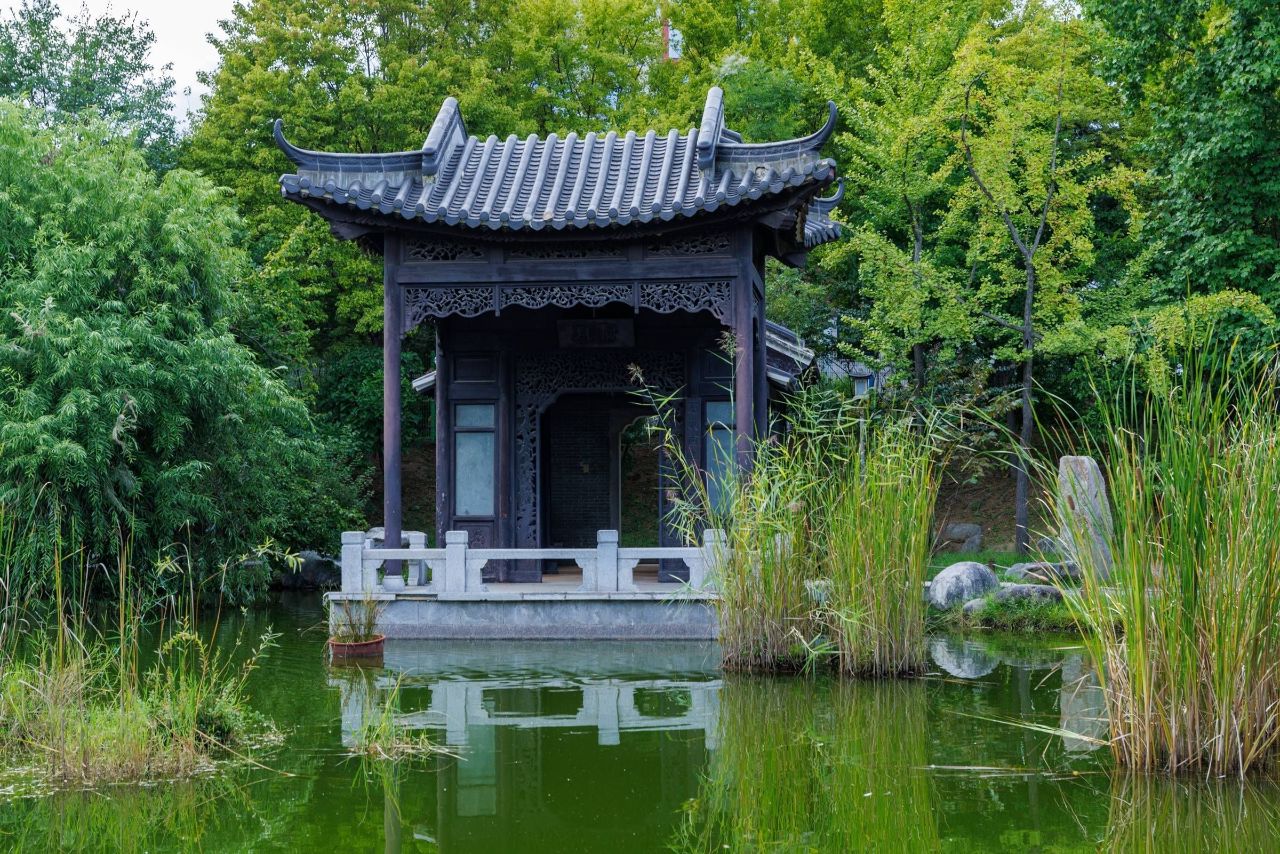
An Incheon Airport 6-hour layover sounds like plenty of time until you subtract immigration, security, and the buffer you need before boarding — which is why the smartest 6-hour plan stays almost entirely inside the terminal rather than chasing a quick trip into Seoul. Incheon International Airport is one of the few airports in the world built for exactly this situation: it has 24-hour spas, nap-friendly transit hotels, free traditional Korean culture programs, and even organized free tours, all designed for passengers with a few hours to burn between flights. The trick isn’t finding things to do — it’s pacing them realistically so you’re never sprinting to your gate.
Key Takeaways
- A 6-hour layover typically leaves about 3.5–4.5 hours of genuinely usable free time once immigration, security, and boarding buffers are accounted for.
- Staying airside (not exiting through immigration) is the recommended approach — leaving the airport for Seoul is not realistic in 6 hours.
- Spa at Home (Terminal 1) is open 24/7 and costs about ₩20,000 for a 6-hour session, per official Korea Tourism Organization data.
- The Korea Traditional Culture Center offers free hands-on craft experiences and short performances in both terminals, no reservation required.
- If you want to step outside briefly, look at the airport’s free transit tour desks rather than planning your own trip to Incheon city or Seoul.
How Much Free Time Do You Really Have During a 6-Hour Layover at Incheon Airport?
A 6-hour layover at Incheon Airport realistically gives you about 3.5 to 4.5 hours of usable free time, not the full six — the rest goes to immigration/security on arrival and a safety buffer before your next flight closes its gate. If you’re transiting airside (staying within the secure zone the whole time, without exiting through immigration), plan on roughly 30–60 minutes for clearing security and finding your bearings after you land, since Smart Pass biometric gates can occasionally throw errors if your passport photo looks noticeably different from your current appearance, in which case you’ll need a staffed counter as backup.
Boarding logistics eat into your window too. Airlines typically open check-in counters about three hours before departure and close them roughly an hour before, with boarding starting around 25 minutes before departure and the gate closing about 10 minutes before. That means you should be heading back toward your gate area with at least a 60–90 minute cushion, more if you’re not familiar with the terminal or if it’s a holiday period with longer queues.
What if my connecting flight is in the other terminal?
If your arriving and departing flights use different terminals, budget about 30–40 minutes for the free T1–T2 shuttle train — the ride itself is about 20 minutes, but waiting time adds up, and importantly, you cannot turn back once you’ve boarded it. Since Asiana Airlines fully relocated its operations to Terminal 2 as of January 14, 2026, double-check your terminal on your boarding pass rather than assuming based on past trips.

Hour-by-Hour Plan for Staying Inside the Airport
The most reliable way to spend an Incheon Airport 6-hour layover is to stay airside and structure your time around one relaxation activity and one active activity, rather than trying to see everything. After clearing immigration/security (about 30–60 minutes) and checking the departure boards for your gate area, spend the first stretch — roughly two hours — on whichever appeals more: a spa soak to reset after a long flight, or a walk through duty-free and dining to stretch your legs. Both terminals have extensive shopping and a wide range of restaurants and cafés near the main concourses, so grabbing a proper meal here instead of on the plane is an easy way to use time productively.
For the middle two to three hours, this is where a nap becomes valuable — even 60–90 minutes in a capsule hotel or transit hotel measurably changes how you feel on your next flight. Alternatively, this block works well for the Korea Traditional Culture Center, since its craft sessions and short performances run in cycles throughout the day and don’t require advance booking.
In your final hour, start heading back toward your gate. Grab a last coffee or quick bite near the gate area, use the restroom, and confirm your boarding gate hasn’t changed — Incheon’s gate assignments can shift, especially for smaller aircraft or codeshare flights. Building in this buffer matters more than squeezing in one more activity.
Free Korean Culture Experiences at the Korea Traditional Culture Center
The Korea Traditional Culture Center is the single best free activity for a layover because it delivers a genuine taste of Korean culture without leaving the secure zone or spending a won. Run inside the terminals, it offers hands-on traditional craft experiences, small exhibitions, and short traditional music or dance performances on a rotating daily schedule — follow their official Instagram or check terminal signage on the day for that day’s program lineup, since exact activities and timing vary.
There are three locations to know: one near Gates 25 and 29 in Terminal 1, one near Gates 274 and 225 in Terminal 2, and a smaller one in the Concourse near Gate 122 (which connects T1 and its satellite gates). If your gate happens to be near one of these, it’s an easy, low-effort way to spend 30–45 minutes without any planning, and it works especially well if you’re traveling with kids who need a break from walking or screens.
Should You Leave the Airport? Free Transit Tours and Nearby Options
For most travelers, leaving Incheon Airport during a 6-hour layover is not recommended, because exiting and re-entering through immigration typically consumes about 3 hours round-trip once you add transport, security, and immigration lines on both ends — leaving only about 2–3 hours for whatever you actually wanted to see. This is the single most common mistake layover travelers make: underestimating how much of a 6-hour window disappears just getting in and out.
If you still want to step outside, the airport’s own free transit tour program is the safer bet over planning your own excursion. It’s available for layovers of 4 to 24 hours, with registration desks at Terminal 1 (Desk 19-20, 1F, near Gates 1-2) and Terminal 2 (1F), and pre-booking online is recommended since spots can fill up. Tours range from 1 to 6 hours and don’t include entrance fees or meals — for a 6-hour layover, stick to the shortest available option (around 1–2 hours) so you have a real margin for the return trip and security.
Is Seoul a realistic option on a 6-hour layover?
No — most travelers and experienced layover guides advise against attempting Seoul on a 6-hour connection. The AREX express train offers a discounted transfer-passenger fare of about ₩12,000 to Seoul Station, but between the ride itself, rush-hour traffic risk, and the immigration overhead on both ends, you’d have little to no time left in the city before needing to turn around. Seoul day trips generally make more sense for layovers of 8+ hours.
If you’d rather stay close to the airport, more modest options include Paradise City, an integrated resort a short taxi ride from the terminals, or taking AREX one stop to Unseo Station for local food and shopping without going as far as downtown Incheon. Places like Songdo Central Park or Incheon Chinatown sit considerably farther out and are better suited to longer layovers of 8 hours or more.
Getting Around & Practical Tips
The biggest practical lever you have on a 6-hour layover is deciding early whether you’re staying airside or leaving — that single decision determines almost everything else about your plan, so make it as soon as you land rather than wandering and deciding later. If staying inside, luggage storage services (with options starting around ₩6,000/day for a backpack or laptop bag, or a few dollars per bag through third-party counters in the terminal) let you drop bags before heading to a spa or the culture center; just confirm the counter’s current hours in person since they can vary by terminal.
Pack with 2026 security rules in mind if you’re worried about a recheck: power banks must stay in your carry-on only (never checked), the clear-bag insulation-tape rule for power banks was relaxed but in-flight charging via power bank is now banned entirely, and wireless neck fans with built-in batteries are banned from both carry-on and checked bags (wired versions are fine). Liquids over 100ml still need to go in checked baggage or be left behind.
For seasonal planning, holiday periods (Lunar New Year, Chuseok, summer peak) bring longer immigration and security queues, so shrink your activity plans and add extra buffer during those windows. On a quiet weekday, the itinerary above runs comfortably; during a holiday rush, consider dropping one activity and prioritizing the spa or lounge, since they’re the fastest to reach and easiest to leave on short notice.
Frequently Asked Questions
What can you actually do during a 6-hour layover at Incheon Airport?
The best use of the time is one relaxation activity (a spa visit, nap in a capsule hotel, or lounge access) combined with one active activity (the Korea Traditional Culture Center, duty-free shopping, or a sit-down meal). Trying to fit in more than two main activities usually means rushing, which defeats the point of a layover break.
Is it feasible to leave Incheon Airport and visit Seoul or Incheon city during a 6-hour layover?
Generally no for Seoul — round-trip immigration, transport, and security typically consume about 3 hours, leaving too little time in the city itself. A very short, pre-registered free transit tour (1–2 hours) or a quick trip to something close like Paradise City is more realistic if you want to step outside briefly.
Will I have enough time to clear immigration and get back for my next flight?
If you’re staying airside the whole time (no immigration exit), yes — expect to lose about 30–60 minutes on arrival for security and roughly 60–90 minutes as a return buffer before boarding, leaving 3.5–4.5 hours free. If you plan to exit through immigration, subtract closer to 3 hours total for the round trip before deciding what’s realistic.
Where can I store my luggage during a layover?
Luggage storage counters are available in both terminals, with rates starting around a few dollars per bag per day. Confirm the specific counter’s current operating hours when you arrive, since they can differ between Terminal 1 and Terminal 2.
Do I need to book anything in advance for a 6-hour layover?
Not for the spa, transit hotel, or Korea Traditional Culture Center — those work on a walk-in basis. The free transit tour is the one thing worth pre-booking online, since registered slots can fill up, especially around holidays.
In Conclusion
A 6-hour layover at Incheon Airport works best when you accept that you’ll have roughly 3.5 to 4.5 hours of real free time, not six, and plan accordingly. Staying airside and pairing one relaxing activity — a soak at a terminal spa, a nap in a transit hotel or capsule, or lounge access — with one engaging activity like the Korea Traditional Culture Center gives you a genuinely restorative break without any risk of missing your flight. Save the idea of leaving the airport for layovers of 8 hours or longer; for six hours, the terminal itself has everything you need, and a realistic pace beats a packed one every time.
Discover more from Korea Visiting
Subscribe to get the latest posts sent to your email.