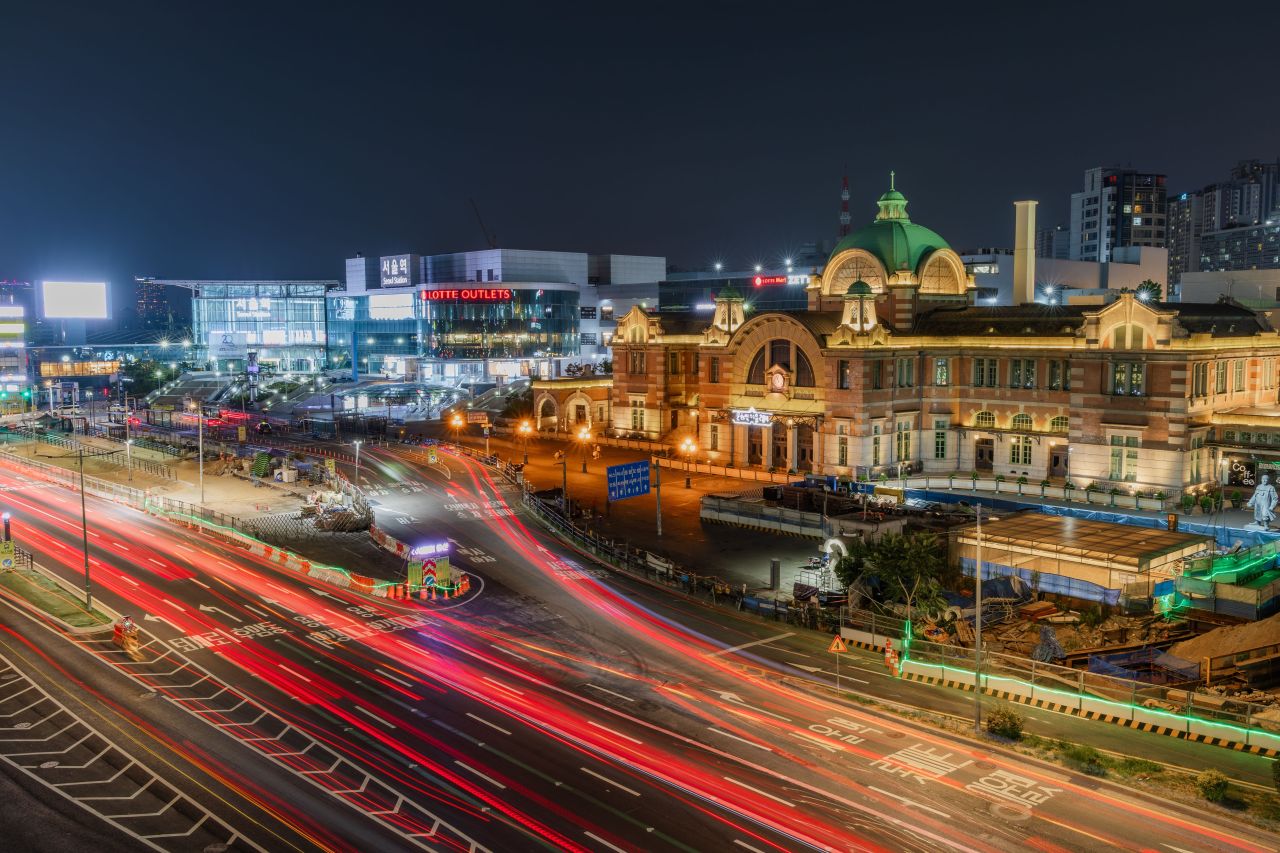
Getting from Incheon Airport to Seoul is straightforward once you know your three main options: the AREX train, the Airport Limousine Bus, or a taxi. Each serves a different kind of traveler — the AREX Express is fastest and cheapest per minute, the limousine bus offers door-to-door comfort with luggage help, and a taxi is the least effort but the most expensive. Incheon International Airport (ICN) sits about 50-70km from central Seoul, and depending on traffic, immigration lines, and where your hotel is, the “best” choice changes. This guide breaks down travel times, costs (as of 2026), ticket-buying steps, and the exact scenario where each option makes sense — plus the T-Money card details and first-timer mistakes that trip up most visitors.
Key Takeaways
- AREX Express Train: about 43 minutes (T1) to Seoul Station, about ₩13,000 (often ~₩9,500 booked online in advance).
- AREX All-Stop Train: about 56-66 minutes, only about ₩4,150-5,350, and works with a T-Money card.
- Airport Limousine Bus: about ₩16,000-18,000, 60-90 minutes depending on traffic, drops near major hotel districts.
- Taxi: about ₩80,000-100,000 to central Seoul, 50-70 minutes, best for groups, heavy luggage, or late-night arrivals.
- T-Money cards work on the All-Stop train and buses but NOT on the AREX Express train.
Incheon Airport to Seoul Transport at a Glance
The fastest and most reliable way to get from Incheon Airport to Seoul is the AREX Express Train to Seoul Station in about 43 minutes, while the Airport Limousine Bus and taxis trade some speed for door-to-door convenience. Incheon International Airport has two terminals — Terminal 1 (older airlines, most low-cost carriers) and Terminal 2 (Korean Air, Delta, and SkyTeam partners) — and travel times differ slightly between them, since T2 is about 8-10 minutes further from Seoul than T1 for AREX trains. Before choosing a transport method, check which terminal you’re landing at, since airport signage clearly separates AREX, bus, and taxi routes by terminal, and a free shuttle connects T1 and T2 for those who land at the wrong one.
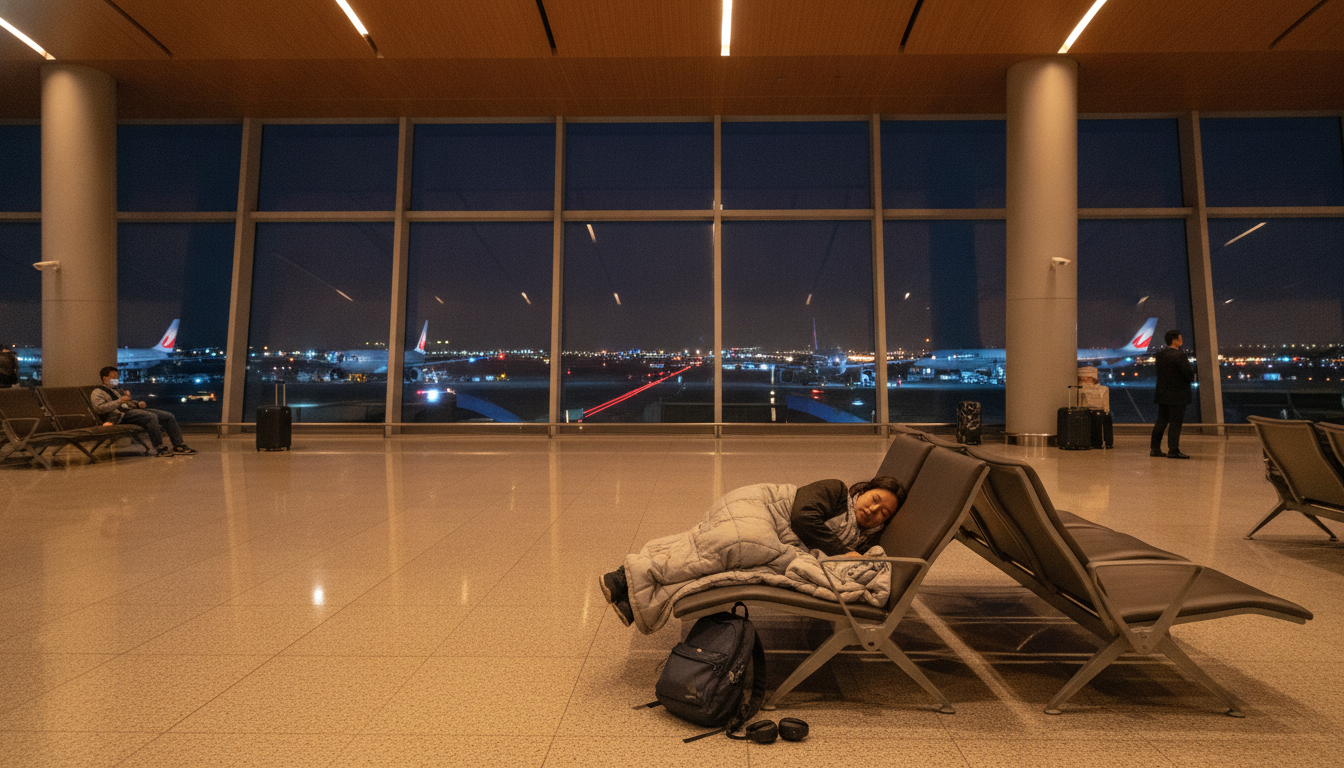
All three options run from early morning to around midnight, but if you land very late at night or very early in the morning, your choices narrow — AREX trains and many daytime buses stop running well before 1 AM, though some limited night bus routes are available for late arrivals, leaving a taxi (with a night surcharge) as often the only option.
What should first-time visitors know before choosing?
Immigration and baggage claim can take anywhere from 20 minutes to over an hour depending on how many flights land around the same time, so build in buffer if you’re catching a same-day KTX from Seoul Station — many travelers recommend allowing at least 4 hours after landing for that kind of tight connection. Also decide your transport method before you land if possible: AREX ticket counters and bus kiosks are both located on arrivals level, but they’re in different areas, and wandering between them with luggage wastes time.

AREX Train — Express vs All-Stop Compared
AREX (Airport Railroad Express) offers two very different trains on the same line — the non-stop Express and the multi-stop All-Stop (commuter) train — and picking the right one depends on your budget and exact destination. Both depart from the same underground station beneath the airport terminals and arrive at Seoul Station, but everything else — price, speed, and how you pay — differs.
AREX Express Train
- Cost: about ₩13,000 at the counter/machine, often discounted to about ₩9,500 when booked in advance through platforms like Klook, Trip.com, or KKday (as of 2026).
- Travel time: about 43 minutes from Terminal 1, about 51 minutes from Terminal 2, non-stop to Seoul Station.
- Payment: single-use tickets only — T-Money cards are NOT accepted for the Express train.
- Best for: travelers whose hotel is near Seoul Station or Myeongdong, or anyone prioritizing speed and a reserved seat with luggage racks.
AREX All-Stop Train
- Cost: about ₩4,150-4,750 depending on distance (about ₩5,350 from T2 to Seoul Station).
- Travel time: about 56-60 minutes from T1, about 66 minutes from T2, stopping at several stations including Digital Media City, Hongdae (Hongik Univ.), and Gongdeok.
- Payment: tap on and off with a T-Money card, or buy a single-journey ticket at vending machines.
- Best for: budget travelers, or anyone headed toward Hongdae, Gongdeok, or Digital Media City without needing to transfer at Seoul Station.
Which AREX train should you take?
If your accommodation is directly served by an All-Stop station — especially Hongdae, a popular base for younger travelers — the All-Stop train can actually save you a transfer compared to the Express. If you’re heading toward Myeongdong, Jung-gu, or need to connect to KTX at Seoul Station, the Express is worth the extra cost for the time saved and the guaranteed seat.
Airport Limousine Bus — Comfort for Specific Districts
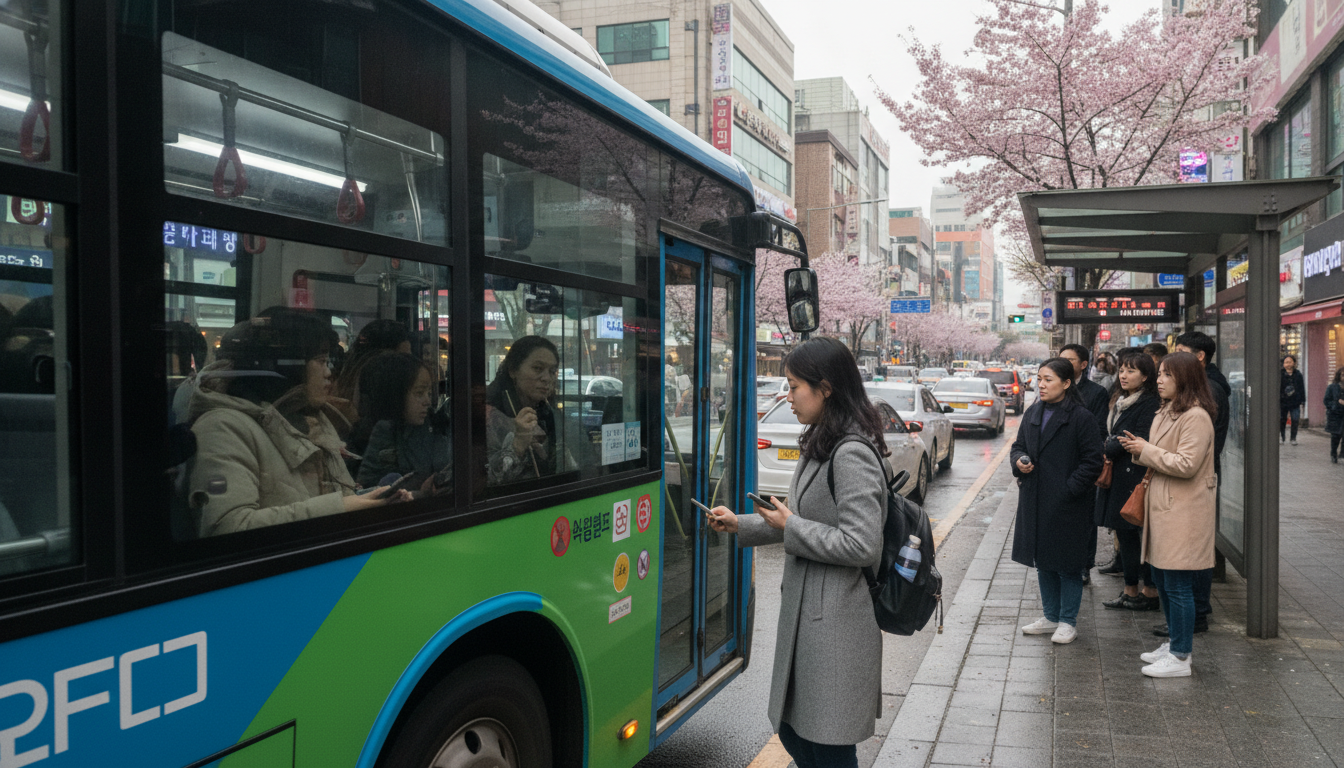
The Airport Limousine Bus is the best choice for travelers who want a single seat, stored luggage, and a stop close to their hotel without navigating a subway transfer. Routes run to specific zones such as Myeongdong, Gangnam, Hongdae, Itaewon, and major hotel clusters, with buses stopping at multiple points along each route so you can usually get off within a short walk of your accommodation.
Expect to pay about ₩16,000-18,000 per adult one-way (children aged 6-12 pay around ₩12,000), with travel time ranging widely from about 60 to 90 minutes depending on traffic and how many stops your route makes before yours. This is the trade-off: buses are more comfortable and require zero transfers, but Seoul traffic — especially during evening rush hour — can stretch the trip well past the train’s fixed time.
Tickets are sold at airport kiosks and counters on the arrivals level (credit card only — most counters do not accept cash at the airport), while if you’re traveling from Seoul back to the airport, you can typically pay the driver directly with a T-Money card or cash. Ticket counters at Terminal 1 generally operate from about 05:40 to 22:20, with one office near Gate 4 open nearly 24 hours (closed roughly 01:30-03:30); Terminal 2 counters run from about 04:00 to midnight. Some companies also run limited night bus routes for late arrivals, though schedules are less frequent than daytime service.
How much luggage can you bring on the bus?
Standard allowance is typically one checked bag (up to about 28 inches / 20kg) plus one carry-on per person, and drivers or staff usually help load bags into the under-bus storage — a genuine advantage over the train if you’re traveling with a family or heavy suitcases.
Taxi from Incheon Airport — Cost, Types, and When It’s Worth It
A taxi from Incheon Airport to central Seoul costs about ₩80,000-100,000 including tolls (e.g., around ₩7,900 for the Incheon International Airport Expressway) and takes about 50-70 minutes, making it the priciest but most flexible option. Taxis make the most sense for groups of three or more (where the per-person cost rivals the bus), travelers with an infant or excessive luggage, or anyone landing after trains and buses have stopped running for the night.
There are several taxi types at the airport taxi stands:
- Standard taxi — cheapest metered option, fits up to 4 passengers with normal luggage.
- Deluxe taxi (black, model bul-lim) — more comfortable and often exempt from the night surcharge, at a higher base fare.
- Jumbo taxi — larger vehicle for groups or extra luggage.
- International taxi — English-speaking drivers with flat, pre-set zone fares; these typically require advance reservation rather than hailing on the spot.
A night surcharge of about 20-40% applies between roughly 10 PM and 4 AM, so a late arrival can push the fare noticeably higher than daytime rates. For a fixed-price alternative, some travelers pre-book private transfers (from around €32/about ₩48,000 for a standard car, up to about €98/about ₩147,000 for a larger sedan through services like Welcome Pickups), though a few Reddit threads note that unlicensed private transfer arrangements can be in a legal gray area in Korea — booking through an established, licensed service is safer than an informal arrangement.
Are Kakao Taxi or ride-hailing apps reliable at Incheon Airport?
Yes — KakaoTaxi is commonly used by residents and generally reliable for hailing a metered taxi from the airport, though during peak arrival times you may wait longer for a match. Uber operates in Korea largely by partnering with local taxi networks rather than as an independent low-cost service, so fares are comparable to a regular taxi rather than cheaper.
T-Money Card — What It Is and Why You’ll Want One
A T-Money card is Korea’s rechargeable transit card, and getting one at the airport is worth doing even on your first day since it works on the AREX All-Stop train, city buses, the subway, and the Airport Limousine Bus once you’re traveling from Seoul back out. The physical card costs about ₩2,500-4,000 (as of 2026) and can be bought at convenience stores inside the airport — CU, GS25, 7-Eleven, and Emart24 branches are all present — as well as at T-Money vending machines near the AREX gates and at airport bus ticket counters on the arrivals level.
To charge it, bring cash: T-Money top-up machines at convenience stores and subway stations generally accept cash only, so it’s worth breaking a larger bill or exchanging some currency before relying entirely on the card. Using it is simple — tap on entering a bus or subway gate, and tap again when exiting a subway (buses only require a single tap), which also unlocks fare discounts on transfers made within about 30-60 minutes.
One frequent point of confusion: T-Money works on the All-Stop AREX train but is NOT accepted on the AREX Express train, which requires a separate single-use ticket. If you don’t use up the balance during your trip, most convenience stores will refund the remaining amount minus a service fee of about ₩500.
Common Mistakes and Insider Tips
The most common first-timer mistake is assuming any AREX ticket works the same way — tapping a T-Money card at the Express train gate will simply fail, so confirm which train you’re boarding before you reach the platform. A second frequent issue is trying to pay for a bus ticket at the airport with cash; most airport counters and kiosks are credit-card only, so keep a card handy for that leg even if you plan to use cash for everything else in Korea.
Travelers changing from AREX to the subway at Seoul Station often underestimate the walk and stairs involved with full luggage — if you’re bringing large suitcases and transferring lines, budget extra time or consider the limousine bus instead, since it avoids transfers entirely. If you’re relying on a card issued outside Korea, note that self-service ticket machines at the airport sometimes decline non-Korean cards; buying from a staffed counter avoids this problem.
Finally, don’t cut it close on timing: immigration lines can run long when several international flights land together, and the last AREX Express trains stop around 10:40 PM, while the last AREX All-Stop trains run closer to 11:30 PM. Many daytime bus routes conclude by 11 PM, but some night buses operate later. If there’s any chance you’ll clear customs after 11 PM, plan for a taxi with the night surcharge already factored into your budget rather than discovering the trains have stopped.
Frequently Asked Questions
What is the fastest way to get from Incheon Airport to Seoul?
The AREX Express Train is the fastest option, taking about 43 minutes from Terminal 1 to Seoul Station (about 51 minutes from Terminal 2), non-stop and without traffic delays. It costs about ₩13,000, or roughly ₩9,500 if booked online in advance.
Can I use a T-Money card on all Incheon Airport to Seoul transport?
No — T-Money works on the AREX All-Stop train, city buses, and the subway, but it is not accepted on the AREX Express train, which requires a separate single-use ticket. You can buy or top up a T-Money card at convenience stores or vending machines inside the airport.
Is a taxi or the Airport Limousine Bus better for a family with luggage?
For most families, the Airport Limousine Bus offers the best balance — staff typically help load luggage, and buses drop close to major hotel areas for about ₩16,000-18,000 per adult. A taxi (about ₩80,000-100,000) becomes the more practical choice for larger families, infants, or very late arrivals when buses and trains have stopped running.
How much does it cost to get from Incheon Airport to Seoul by taxi?
A regular taxi to central Seoul costs about ₩80,000-100,000 including tolls, with a trip time of roughly 50-70 minutes depending on traffic. A night surcharge of about 20-40% applies between roughly 10 PM and 4 AM, so late-night fares run higher.
How much time should I allow for customs and immigration at Incheon Airport?
Immigration and baggage claim can take anywhere from about 20 minutes to over an hour, depending on how many international flights arrive around the same time. If you’re connecting to a same-day KTX train from Seoul Station, it’s safer to allow at least 4 hours total between landing and departure.
In Conclusion
Choosing between AREX, the Airport Limousine Bus, and a taxi comes down to what you value most: the AREX Express wins on speed and price for Seoul Station or Myeongdong-bound travelers, the All-Stop train is the budget pick for Hongdae or Gongdeok, the limousine bus suits families and heavy luggage heading to specific hotel districts, and a taxi covers groups, late arrivals, or anyone wanting door-to-door simplicity. Pick up a T-Money card early in your trip regardless of which option you choose today, since you’ll rely on it throughout your stay in Seoul. Whatever you choose, confirm operating hours and buffer time for immigration before you land, especially on a tight same-day connection — a little planning at Incheon Airport sets the tone for the rest of the trip.
Discover more from Korea Visiting
Subscribe to get the latest posts sent to your email.