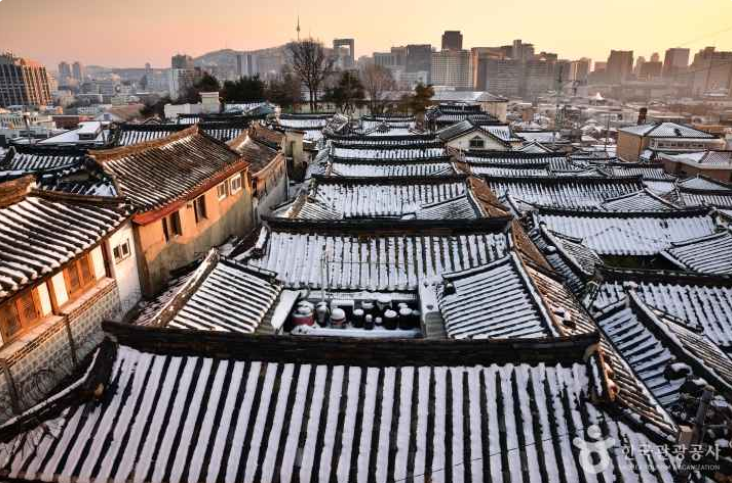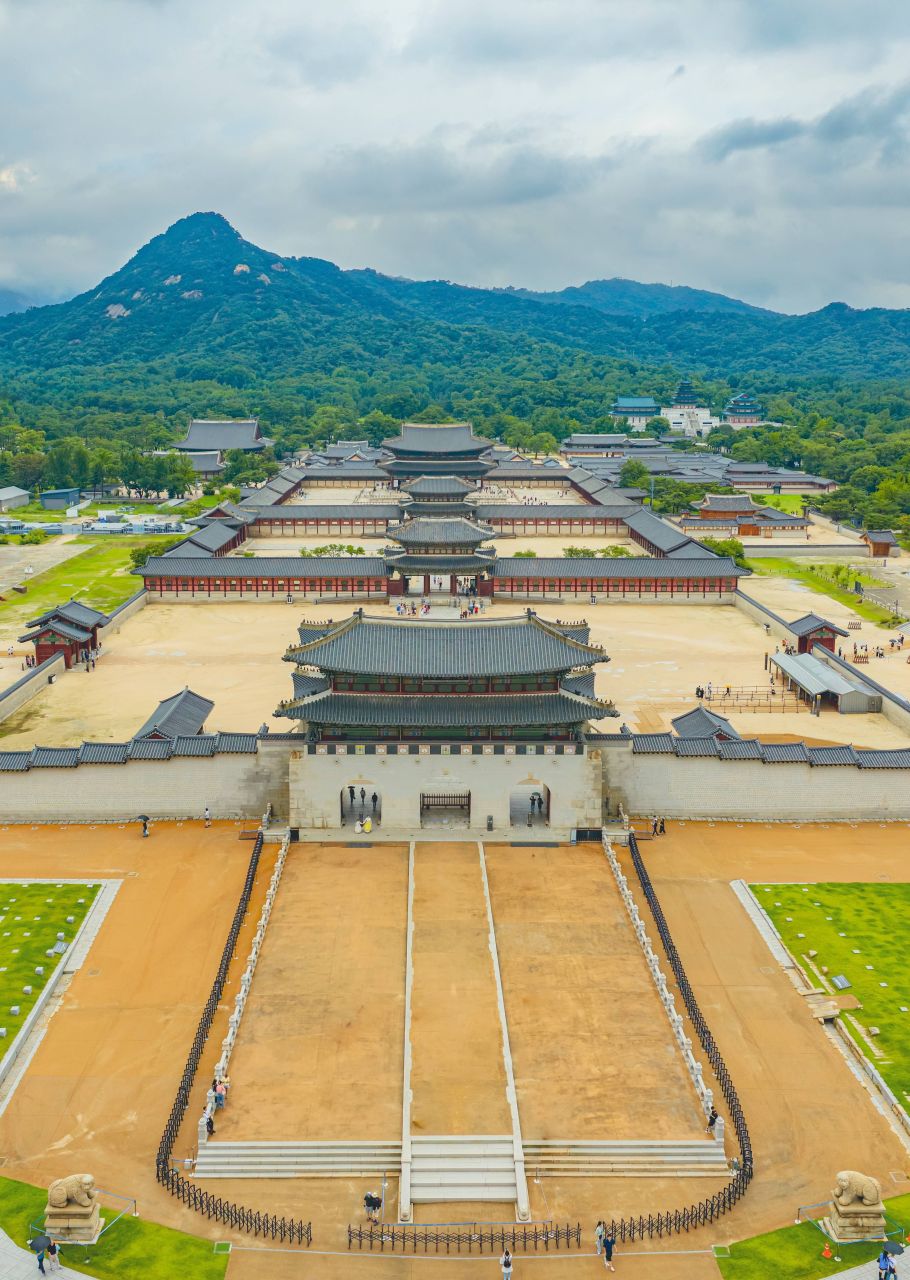
If you’ve typed “Naksan Park Hyehwa Station” into a map app and are staring at a hill you’re not sure is worth the climb, you’re asking the right question before you start walking. Naksan Park sits on one of Seoul’s four inner mountains, and from Exit 2 of Hyehwa Station it’s a steady uphill push through narrow residential streets — not a hike exactly, but enough of an incline that you don’t want to arrive already out of breath from rushing. What I’ve found repeating this route is that most first-timers underestimate two things: how quickly the neighborhood shifts from ordinary apartments to mural-covered alleys, and how much there is to do around the park itself once you’re up there. This isn’t just a viewpoint you check off — it’s a small cluster of experiences within a 15-20 minute radius of the station.
Key Takeaways
- Naksan Park is free, open 24 hours, and reachable on a 10-15 minute uphill walk from Hyehwa Station Exit 2.
- The park connects directly to Ihwa Mural Village, Hyehwamun Gate, and the Daehangno theater district, so one trip covers several stops.
- Saturdays are the busiest day at Naksan Park (30-day concentration index averaging 68.4/100), while Tuesdays are the quietest.
- Arrive 30-40 minutes before sunset to catch golden hour fading into the night skyline without waiting for a spot.
- You can walk down through Ihwa Mural Village toward Hyehwa, or continue along the city wall to Dongdaemun for a different view.
📍 Naksan Park — Essential Information
| Address | 41 Naksan-gil, Jongno-gu, Seoul |
| Opening hours | Open 24 hr * Naksan Gallery 09:00-17:00 |
| Closed | N/A (Open all year round) |
| Parking | Available |
| Website | parks.seoul.go.kr |
| Best time to visit | Least crowded on Tuesdays; busiest on Saturdays (Korea Tourism Organization crowd forecast) |
| Map | Google Maps · Naver Map |
Naksan Park at a Glance
- Why visit: A free hilltop park inside Seoul’s old city wall line that gives you a skyline view — including N Seoul Tower — without paying for an observation deck or hiking a real mountain.
- What you’ll see and experience: Restored sections of the Seoul City Wall, wide viewing platforms facing downtown, and a steady stream of couples and photographers once the sun starts dropping.
- Getting there: From Hyehwa Station (Line 4) Exit 2, it’s roughly a 10-15 minute walk uphill through the Ihwa-dong neighborhood; from Hansung University Station Exit 4, it’s a 3-5 minute walk to reach Hyehwamun Gate and the trail entrance.
- Tickets and admission: No entrance fee — the park itself is open access at any hour.
- Tips from past visitors: Wear shoes with grip for the slope, and expect the climb to feel more noticeable on the way up than the way down.
- Nearby spots worth combining: Ihwa Mural Village, Hyehwamun Gate, Marronnier Park, and the Daehangno theater street are all within easy walking distance.

The City Wall Walk and Naksan Park’s Best Viewpoints
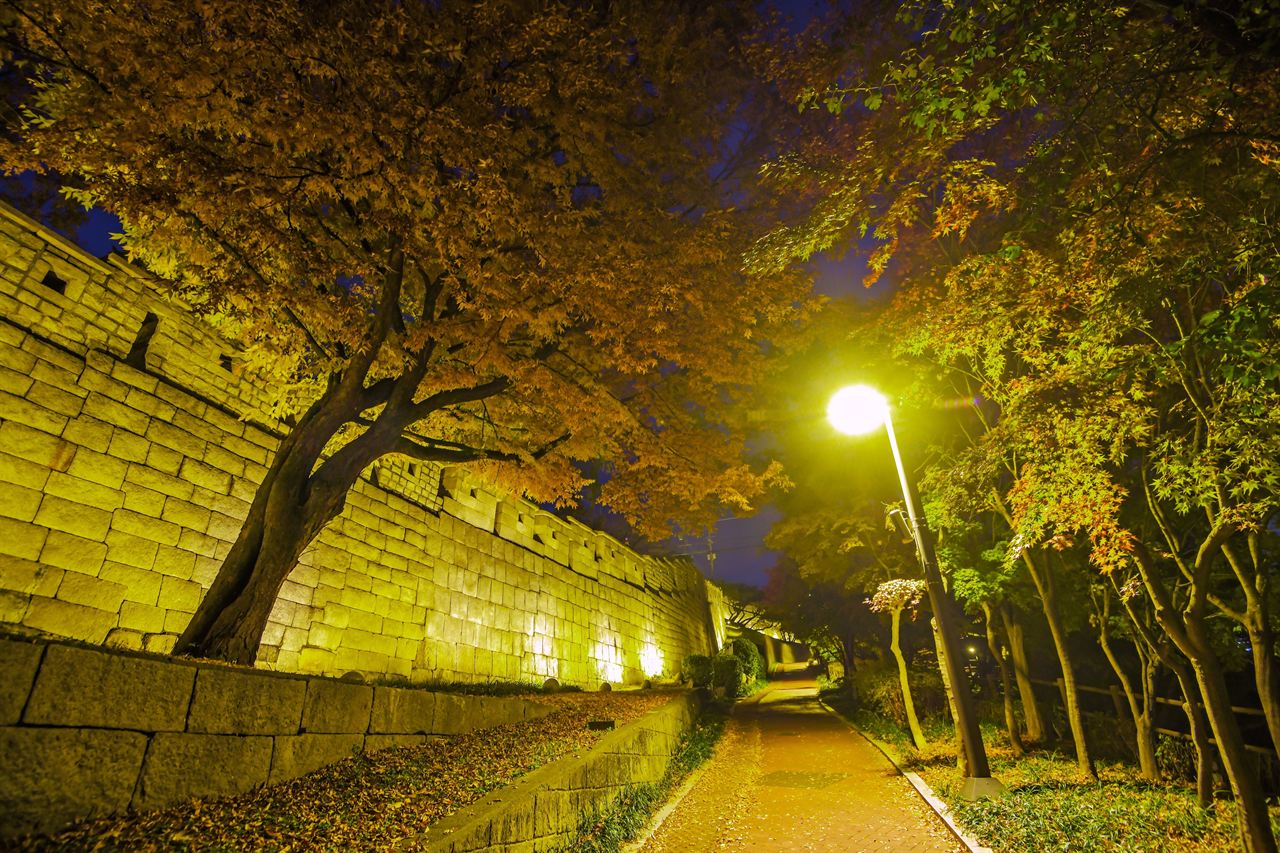
The single reason most people come to Naksan Park Hyehwa Station is the view, and the payoff is a stretch of the restored Seoul City Wall where you can see the downtown skyline without paying an admission fee anywhere. Walking the wall path itself is easy — it’s flat stone paving with railings, nothing like a mountain trail — and the real work is just the approach from the station. My pick for the best vantage point isn’t the main plaza at the top, which fills up fastest, but the wall section slightly north of it, where the crowd thins and you get an unobstructed line toward N Seoul Tower. Because Naksan sits at only about 125 meters elevation, you get a genuinely wide skyline without the altitude or ticket line of a proper observation tower. Skip the very top platform if you’re visiting on a Saturday evening — that’s when the concentration index for this park peaks, and photographers tend to camp out with tripods well before dusk.
Is the walk to Naksan Park strenuous?
No — it’s an uphill residential walk, not a hiking trail. The grade is steady rather than steep, comparable to a moderately hilly city block, and most visitors reach the top in 10-15 minutes without needing to stop. If stairs bother you, a taxi to the upper entrance and a walk back down is a reasonable trade — several regular visitors use exactly that strategy to save their legs for Ihwa Mural Village afterward.
Ihwa Mural Village: Photogenic Alleys Below the Park
Ihwa Mural Village is the hillside neighborhood you pass through on the way up to Naksan Park, and it’s worth slowing down for rather than treating as a hallway to the viewpoint. Colorful murals, fish-scale staircases, and small independent cafes are tucked between the residential buildings, and because real families still live here, the mood shifts noticeably depending on the hour. Weekend afternoons bring tour groups and a line for the famous stairs; weekday mornings are close to empty, which is when the light on the murals actually photographs best. My honest take: if photos are your main goal, come on a weekday before noon — the difference in how much space you get for a clean shot is significant. One thing that trips up first-timers is assuming the murals are concentrated in one spot; they’re actually spread across several parallel alleys, so it pays to wander rather than beeline for the one staircase everyone has seen online.
Google Maps: Ihwa Mural Village
Hyehwamun Gate and the Naksan Trail from Hansung University Station
Hyehwamun Gate marks the northern access point to Naksan Park and is the better starting line if you’re coming from Hansung University Station instead of Hyehwa. This route matters because it flips the usual approach: rather than climbing from Hyehwa toward the summit, you start near the gate and walk the wall path downhill toward Ihwa-dong, which is noticeably easier on the knees. I’d recommend this direction specifically for anyone traveling with kids or older family members, since it turns the steepest section of the walk into a descent instead of a climb. The gate itself is a rebuilt city gate rather than an untouched historic structure — most of Naksan’s original wall and gates were damaged or lost during the 20th century, so what you’re seeing is part of Seoul’s city wall restoration project. It’s still a solid photo stop and a clear landmark for orienting yourself before you head onto the wall trail.
Google Maps: Hyehwamun Gate
Naksan Gallery: A Quiet Break Inside the Park
The Naksan Gallery is a small exhibition hall inside the park grounds, open in the daytime only, and it’s a useful stop if you want a break from walking without leaving the park entirely. It runs local and community art exhibitions rather than major touring shows, so don’t expect a museum-scale experience — think of it as a shaded, air-conditioned pause between the wall walk and the descent into Ihwa-dong. Because most visitors come for the night view and skip this entirely, the gallery is one of the few genuinely quiet corners of Naksan Park even on a busy Saturday. If you’re visiting with someone who isn’t up for the full loop, this is a reasonable place to rest while the rest of the group finishes the wall path.
Marronnier Park and Daehangno’s Theater Scene
Marronnier Park sits right at Hyehwa Station Exit 2, so it’s effectively the starting and ending point of any Naksan Park trip, and it deserves its own stop rather than a quick pass-through. This is the anchor of the Daehangno district, Seoul’s small-theater and performing arts neighborhood, and on weekend afternoons you’ll almost always find street performers, live music, or impromptu dance crews drawing a crowd. What surprises first-timers is the density of small independent theaters packed into the surrounding blocks — this isn’t a district with one big venue, it’s dozens of 100-200 seat black-box theaters running everything from experimental drama to long-running comedy shows. If your Korean isn’t strong, a same-day theater booking can be a gamble, but simply walking through during a weekend evening and catching a free street performance costs nothing and captures a good slice of the neighborhood’s energy.
Google Maps: Daehangno
View Cafes Near Naksan Park
Baeogae Bakery (Google Maps), just off the city wall path on Naksan-seonggwakseo 1-gil, is the name that comes up most often for a sit-down version of the Naksan skyline view, offering large windows facing the city with N Seoul Tower visible in the background — a solid pick if you want the night view with a coffee in hand rather than standing on the wall path. My honest read: a view cafe like this works best as a second stop after you’ve already walked the wall, not as a substitute for it — the free viewpoint outside is genuinely better positioned than most café windows, but a cafe solves the problem of standing around waiting for blue hour to fully set in. Expect it to fill up quickly in the 30-40 minutes before and after sunset, especially on weekends, which lines up with when most visitors time their arrival at the park itself.
Shopping Stops Along Daehangno
Two practical shopping stops sit right along the main Daehangno street between the station and the park entrance, useful if you need supplies before the walk or want to browse on the way back down. The Olive Young branch near Hyehwa Station carries the standard range of K-beauty skincare and makeup at typical retail prices and offers tax refund service for eligible purchases — a reasonable stop for sunscreen or a face mist before you head uphill in warmer months. A New Balance store sits further along the same street if you need better footwear for the walk than what you showed up in; this happens more often than you’d expect, since the slope catches people in sandals off guard. Neither is a destination in itself, but both are genuinely on the direct path between the station and the park, so there’s no detour required.
How to Get to Naksan Park from Hyehwa Station
Reaching Naksan Park Hyehwa Station is straightforward: take Seoul Subway Line 4 to Hyehwa Station, exit at Exit 2, and follow the uphill road through Ihwa-dong for about 10-15 minutes until you reach the park entrance. This is the route most visitors use because it lets you pass through Ihwa Mural Village on the way, turning the approach itself into part of the sightseeing rather than a pure commute. If you’re coming from the Hansung University side instead, take Line 4 to Hansung University Station, leave via Exit 4, and walk about 5 minutes to Hyehwamun Gate, where the wall trail begins — this approach is flatter at the start and better if you want to walk the wall path downhill toward Ihwa-dong rather than up. A third option starts at Dongdaemun Station (Line 1 or 4): from Exit 9 it’s about a 20-minute walk along the city wall to reach the park, or from Exit 5 you can catch Jongno Town Bus No. 03 to Naksan Junction if you’d rather skip the walking altogether. Whichever direction you choose, none of these routes require a transfer or a long subway ride once you’re already in central Seoul — Hyehwa Station itself is a direct six-minute Line 4 ride from Chungmuro Station near Namsan, which makes combining both viewpoints in one day realistic.
Best Time to Visit Naksan Park
The clearest pattern from repeated visits and from the park’s own crowd data is that Saturdays are the busiest day at Naksan Park, while Tuesdays are consistently the quietest — worth knowing if your schedule has any flexibility at all. Within a single day, arriving 30-40 minutes before sunset is the move most seasoned visitors repeat: you get the golden hour light first, watch it fade into blue hour, and then see the city lights switch on without having staked out a spot for hours beforehand. Arriving right at full darkness means competing for an already-claimed railing spot, especially on the main viewing platform. Summer visits come with a separate warning worth taking seriously — walking the city wall in July and August means real heat and humidity on an uphill route with limited shade, so an early morning or a cooler shoulder-season visit is a better trade-off than fighting the summer sun for a night view you can catch more comfortably in spring or fall.
Naksan Park vs. Namsan: Which View Wins?
Naksan Park and Namsan both deliver a Seoul skyline view, but they solve different problems, and picking between them comes down to what you’re optimizing for. Namsan gets you higher elevation and the N Seoul Tower observation deck itself, but that height comes with a cable car or a longer uphill walk, plus a ticket fee if you go up the tower. Naksan is lower, free, and reachable in a 10-15 minute walk from a single subway exit, which makes it the better choice when you want a solid skyline view without spending money or half a day getting there. My take: if N Seoul Tower is the subject of your photo, go to Namsan; if you want N Seoul Tower to appear as part of a wider skyline shot without paying for the privilege, Naksan is the more efficient stop, and the direct six-minute train connection between Hyehwa and Chungmuro means you don’t have to choose just one.
Google Maps: Namsan
Common Mistakes First-Time Visitors Make
The most frequent misstep is climbing straight to Naksan Park from Hyehwa Station and skipping Ihwa Mural Village entirely, because the residential street doesn’t clearly signal that the mural alleys branch off to the side rather than sitting directly on the main road — visitors following a map app’s fastest route walk right past them. A second mistake is showing up after full sunset expecting an easy spot at the main viewing platform; the railing space fills up during the 30-40 minute golden-hour window specifically because that’s when the light and the skyline both look best, and by the time it’s fully dark the best spots are already taken. Third, people frequently attempt this as a summer midday visit, not realizing the wall path has almost no shade — the combination of the uphill grade and direct sun makes an otherwise easy walk genuinely uncomfortable, which is why the route is consistently flagged as a poor match for peak summer heat. Finally, some visitors treat Naksan Park as an isolated stop and backtrack the same way they came, missing that the wall path continues onward toward Dongdaemun Seonggwak Park — walking that direction instead of retracing your steps gives you a completely different, less crowded stretch of city wall for the same amount of effort.
Frequently Asked Questions
What is the best time of day to visit Naksan Park?
Arrive 30-40 minutes before sunset to catch the golden hour transition into blue hour and then the city lights turning on. Coming right at full darkness usually means the best railing spots at the main viewpoint are already taken.
Is the walk to Naksan Park hard?
It’s an uphill residential walk of about 10-15 minutes from Hyehwa Station, not a technical hike — steady but manageable for most fitness levels. If you’d rather skip the climb, a taxi to the upper entrance followed by a walk back down is a common workaround.
How does Naksan Park compare to Namsan for views?
Namsan is higher and includes the N Seoul Tower observation deck, but requires a cable car, longer walk, or ticket fee; Naksan is free, lower, and reachable in one short uphill walk from Hyehwa Station. Choose Namsan if the tower itself is your photo subject, and Naksan if you want a wide skyline view with minimal time and cost.
Can I combine Naksan Park with Ihwa Mural Village in one trip?
Yes — Ihwa Mural Village sits directly on the walking route between Hyehwa Station and Naksan Park, so most visitors naturally pass through both. Weekday mornings are quieter for photos in the village, while the park itself is busiest on weekend evenings.
Is Naksan Park worth visiting in summer?
The view is still worth seeing, but the wall path has little shade and the uphill walk feels much harder in July and August heat and humidity. An early morning visit or waiting for a cooler season is a more comfortable option than a midday summer climb.
In Conclusion
Naksan Park earns its reputation as a free, low-effort alternative to Seoul’s paid viewpoints, but getting the most out of it means treating the walk up from Hyehwa Station as part of the experience, not an obstacle before it. Time your visit around sunset, expect Saturdays to be busiest and Tuesdays quietest, and build in Ihwa Mural Village, Hyehwamun Gate, or a stop in Daehangno rather than climbing straight up and back down. Skip the midday summer heat if you can, and don’t be afraid to walk onward toward Dongdaemun instead of retracing your steps — the same short trip from Hyehwa Station covers a surprising amount of ground once you know where the seven stops actually are.
Discover more from Korea Visiting
Subscribe to get the latest posts sent to your email.