Planning a trip to the dynamic and diverse landscapes of South Korea? One of the biggest challenges for any traveler is knowing what to pack to truly enjoy every experience, from bustling Seoul streets to serene Jeju Island beaches. This ultimate South Korea packing list every season guide will help you navigate the country’s distinct climates, ensuring you’re prepared for everything from sweltering summer days to chilly winter nights. We’ll delve into seasonal essentials, general must-haves, and smart packing strategies to make your journey comfortable and memorable, no matter when you visit. Avoid overpacking and ensure you have exactly what you need for an incredible adventure.
Key Takeaways:
- South Korea experiences four distinct seasons, requiring varied clothing choices.
- Layering is crucial for spring and autumn due to fluctuating temperatures.
- Prioritize comfortable walking shoes and moisture-wicking fabrics over cotton.
- Many essentials can be bought locally, so pack light for shopping space.
- Always carry a universal adapter, portable charger, and a small trash bag.

Essential Items for Your South Korea Packing List
Regardless of the season, there are several foundational items that should always be on your South Korea packing list every season. These are the universal travel essentials that will enhance your comfort and convenience throughout your journey. Your top priority should be comfortable walking shoes, as exploring cities like Seoul and Busan often involves extensive walking and climbing stairs. Opt for well-broken-in sneakers or comfortable flats that can handle many miles.
Power and connectivity are non-negotiable. Bring a universal travel adapter (Type C/F) for Korea’s 220V outlets, and a portable power bank to keep your phone charged, especially when relying on navigation apps like Naver Maps or Kakao Maps. An unlocked smartphone with an eSIM or local SIM card will be invaluable for communication and data. Many travelers also find a small, foldable tote bag useful for shopping or carrying daily essentials, and a reusable water bottle helps reduce plastic waste while keeping you hydrated. While many toiletries are readily available (and often superior) in Korea, always bring your preferred prescription medications and a small amount of your favorite deodorant, as specific brands might be hard to find. Lastly, carry a small bag or pouch for trash, as public trash cans are surprisingly scarce in South Korea.
Spring in South Korea: Packing for Cherry Blossoms and Mild Days
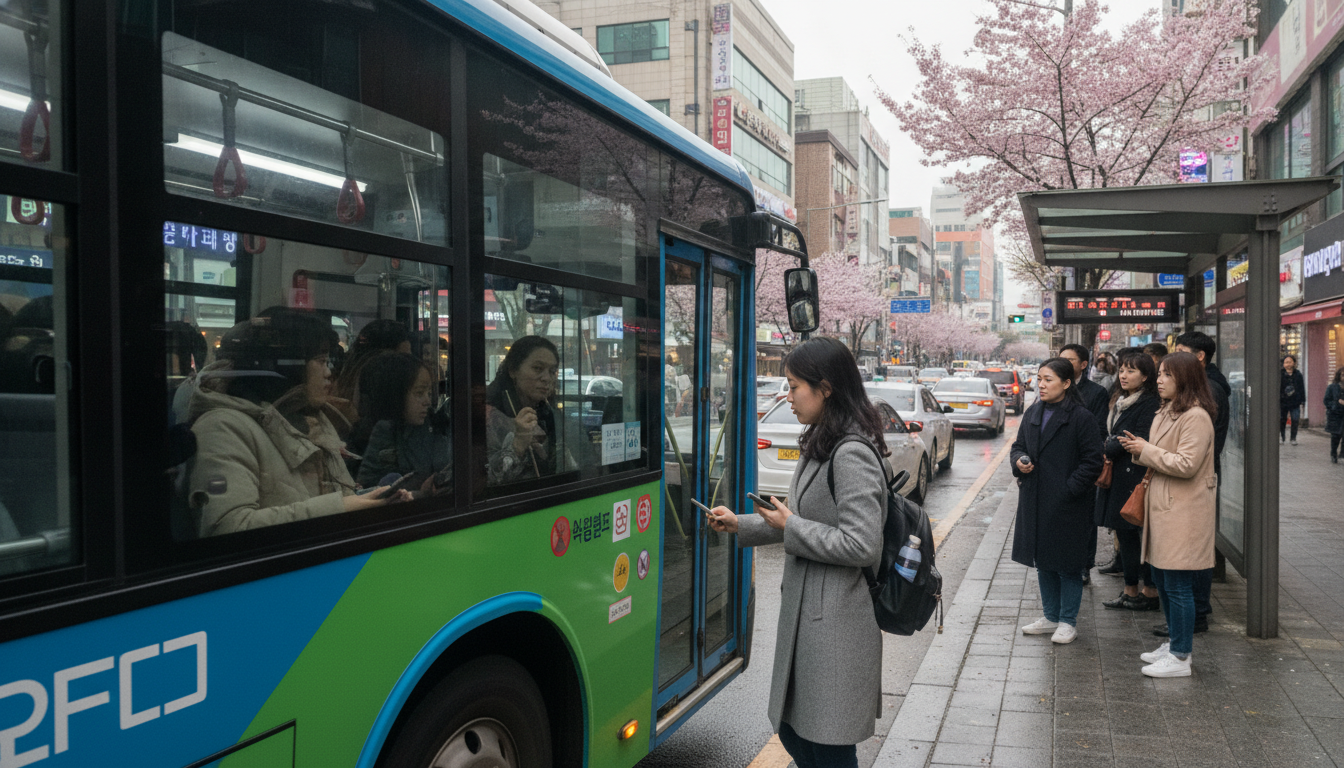
Spring (March to May) in South Korea is a beautiful time, characterized by blossoming cherry trees and generally mild weather, making it an ideal period for sightseeing. However, temperatures can fluctuate significantly, often starting cool in March and warming up considerably by May, with occasional rain showers. Therefore, your South Korea packing list every season for spring should focus heavily on versatile layers.
Pack light long-sleeved shirts, blouses, and T-shirts that can be worn individually or layered under a light jacket or cardigan. A waterproof or water-resistant jacket is essential to protect against unexpected spring drizzles, especially if you plan to visit scenic spots like Jeju Island for its cherry blossoms and canola fields, or Seoul’s royal palaces like Gyeongbokgung. For bottoms, jeans, comfortable trousers, or skirts are suitable. Comfortable city sneakers are perfect for exploring sites like Gyeongbokgung Palace or strolling through Seoul Forest. An umbrella is also a must-have, whether for rain or occasional strong sun. A light scarf can add warmth on cooler evenings and serve as a stylish accessory.
Summer in South Korea: Beating the Heat and Monsoon Rains
Summer (June to August) in South Korea is hot, humid, and marked by the monsoon season (jangma), typically from late June to late July. High temperatures often combine with intense humidity, so your South Korea packing list every season for summer must prioritize breathable, quick-drying fabrics. Think linen, rayon, and lightweight technical fabrics that wick away moisture, rather than heavy cottons which can retain sweat and dry slowly.
Pack plenty of light clothing: T-shirts, tank tops, shorts, and light dresses. Due to the high humidity, you might find yourself changing outfits more frequently than usual to stay fresh and avoid discomfort. A portable mini-fan is a popular and practical accessory among locals and tourists alike, offering immediate relief from the heat. Waterproof footwear, such as sandals or water-resistant sneakers, is crucial during the monsoon season when streets can become wet. An umbrella (or a light raincoat) is absolutely indispensable for sudden downpours. If you plan to visit coastal areas like Busan’s Haeundae Beach or Jeju Island’s Hyeopjae Beach, remember your swimwear, sunscreen, and a wide-brimmed hat. Light, long-sleeved shirts can also offer sun protection during outdoor activities.
Autumn in South Korea: Layering for Fall Foliage
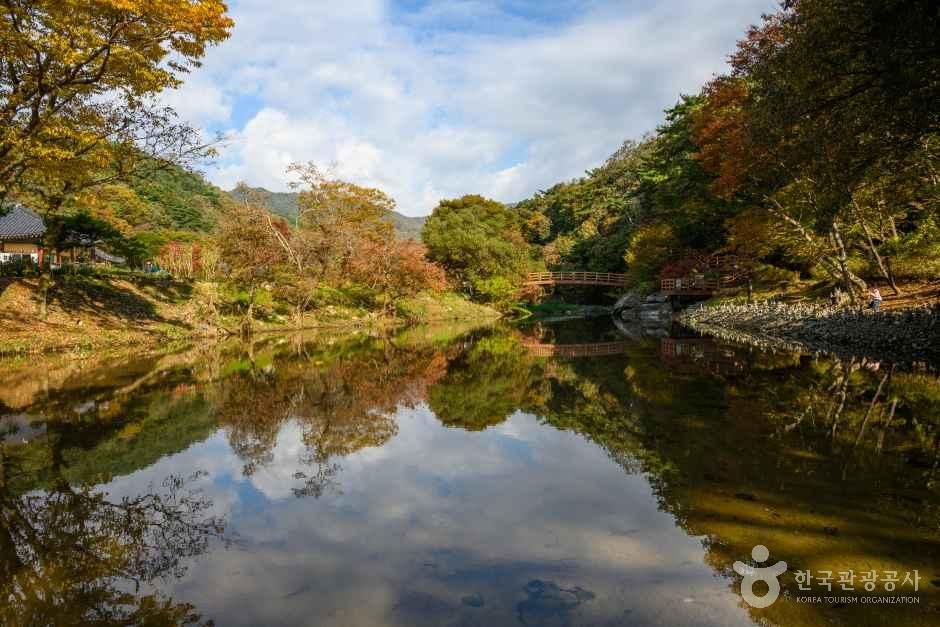
Autumn (September to November) is arguably one of the most picturesque times to visit South Korea, with vibrant fall foliage blanketing mountains and city parks. The weather is generally crisp and clear, but similar to spring, temperatures can vary widely from warm days to distinctly chilly evenings, especially as November approaches. Building a versatile South Korea packing list every season for autumn means focusing on smart layering.
Start with long-sleeved shirts, thin sweaters, and comfortable blouses. Over these, a medium-weight jacket (like a trench coat, denim jacket, or a light puffer) will be perfect for daytime excursions. For evenings, you’ll likely need a warmer sweater or a heavier jacket. Comfortable jeans, trousers, and skirts paired with tights or leggings are suitable. If you plan to hike through national parks or explore scenic routes like those around Namsan Park or Changdeokgung Palace Secret Garden for fall foliage, consider packing waterproof hiking boots that offer good ankle support. Otherwise, stylish yet comfortable city sneakers are ideal for urban exploration. A scarf is a practical addition for warmth and can add a pop of color to your autumn outfits. Don’t forget a camera to capture the stunning scenery!
Winter in South Korea: Staying Warm in the Cold
Winter (December to February) in South Korea can be very cold, with temperatures often dropping below freezing, especially in northern regions like Seoul. Snowfall is common, creating beautiful winter landscapes, particularly in mountainous areas. Preparing a comprehensive South Korea packing list every season for winter is all about maximizing warmth and insulation.
The absolute essentials include a heavy, insulated winter coat (waterproof or water-resistant is a bonus for snow), thermal base layers (long-sleeved tops and bottoms), and thick sweaters. Fleece-lined leggings or insulated trousers are highly recommended. Don’t underestimate the need for accessories: a warm hat, gloves or mittens, and a thick scarf are crucial for protecting exposed skin from the biting cold. Waterproof and insulated boots with good grip are indispensable for walking on potentially icy or snowy sidewalks, especially if visiting spots like Namsan Seoul Tower for its winter views. Wool socks are also a game-changer for keeping your feet warm and dry. While you might consider packing all these bulky items, remember that high-quality, fashionable winter wear is readily available and often affordable in Korea, providing an option to pack lighter and buy locally upon arrival. If you’re heading to ski resorts, some even offer heavy coat rental services.
Smart Packing Strategies & Cultural Tips for South Korea
Maximizing your luggage space and ensuring cultural sensitivity are key considerations for your South Korea packing list every season. When it comes to toiletries and cosmetics, pack only your absolute essentials for the first few days. Korea is renowned for its excellent and affordable skincare, makeup, and personal hygiene products, so you might find better options locally. However, if you rely on specific deodorant brands or feminine hygiene products like tampons (which can be harder to find in variety compared to pads), bring a sufficient supply from home.
Consider packing light, quick-drying fabrics like wool, linen, or synthetic blends over heavy cotton. Not only do they perform better in varying climates, but they also allow for easier hand-washing and quicker drying if you need to do laundry on the go. Many travelers advocate for bringing an unlocked phone and acquiring a local SIM or eSIM, as connectivity is crucial for navigation (Naver Maps and Kakao Maps are superior to Google Maps in Korea) and translation.
Culturally, while Seoul is quite fashion-forward, it’s generally advisable to dress a bit more modestly when visiting religious sites or outside of major metropolitan areas, ensuring shoulders and chest are covered. This shows respect and can help you blend in more comfortably. Don’t forget an empty bag for any trash you accumulate, as public waste bins are infrequent. Lastly, remember that rental services exist for specific items, such as hanbok at palaces like Gyeongbokgung (which grants free entry!), or heavy winter coats at some ski areas, which can save valuable luggage space.
Frequently Asked Questions
How can I avoid being a “stinky tourist” in South Korea, especially if I sweat a lot?
To combat sweat and humidity, especially in summer, prioritize breathable, quick-drying fabrics like linen, wool, or synthetic activewear over cotton, which retains moisture. Pack extra changes of clothes, use antiperspirant, and consider carrying a small towel or portable mini-fan for quick relief. Showering frequently and staying hydrated also helps.
What clothing materials are best for the Korean climate (e.g., ditching cotton)?
For the humid summers, lightweight and breathable materials like linen, rayon, Tencel, or performance fabrics designed to wick moisture are ideal. For cooler seasons, merino wool is excellent for its temperature-regulating and odor-resistant properties, while synthetic blends offer warmth without bulk. Cotton is generally less suitable due to its slow drying time.
What unique items should be on a South Korea packing list beyond general travel essentials?
Beyond typical travel essentials, consider bringing a portable mini-fan for summer, a small trash bag (due to limited public bins), an eSIM or local SIM for reliable navigation apps like Naver Maps, and a small backpack or tote for daily excursions and shopping. Reusable chopsticks might also be a fun, eco-friendly addition.
Given that many items are available locally, what’s truly essential to bring versus buy there?
Truly essential items to bring include your preferred prescription medications, specific deodorant or feminine hygiene products that might be hard to find locally (like certain tampons), comfortable walking shoes, and a universal power adapter. Most other daily necessities, cosmetics, and even fashionable clothing can be easily and affordably purchased in Korea, allowing you to pack lighter and shop for souvenirs.
In Conclusion
Preparing your South Korea packing list every season doesn’t have to be a daunting task. By considering the distinct characteristics of each season, prioritizing comfort and practicality, and embracing smart packing strategies, you can ensure a seamless and enjoyable journey. From versatile layers for the transitional seasons of spring and autumn to breathable fabrics for summer humidity and insulated warmth for winter, being well-prepared allows you to fully immerse yourself in South Korea’s incredible culture, vibrant cities, and breathtaking natural beauty. Remember your essential tech, comfortable shoes, and a spirit of adventure, and you’ll be all set for an unforgettable trip.
Discover more from Korea Visiting
Subscribe to get the latest posts sent to your email.