Insadong, Seoul is the kind of neighborhood where first-time visitors often arrive with a half-formed plan — “walk the main street, see some antiques, maybe get tea” — and end up unsure where to actually start once they exit the subway. The street forks in different directions, shop signs are only in Korean, and it’s easy to miss Ssamzigil entirely if you don’t know which alley to turn into. This guide sorts out exactly what to do, where to eat something authentically Korean instead of a random tourist-trap meal, which tea houses are worth the wait, and how to walk from Anguk Station without doubling back. Everything below reflects what people actually need on the ground — addresses, hours, and the small decisions that save you time.
Key Takeaways
- Insadong-gil is a pedestrian-friendly, traffic-free street (weekends especially) packed with galleries, tea houses, and craft shops, all free to walk.
- Ssamzigil, at 44 Insadong-gil, is open daily 10:30 AM–8:30 PM and is the single must-see stop for crafts and photos.
- From Anguk Station Exit 6, Insadong-gil is about a 1-minute walk — one of the most subway-accessible attractions in central Seoul.
- Morning visits (before 11 AM) mean far fewer crowds; evenings bring a livelier, more atmospheric energy, especially around Ssamzigil.
- Jogyesa Temple and Bukchon Hanok Village are both close enough to combine with Insadong in a single half-day itinerary.
Insadong at a Glance
- Why visit: Insadong is Seoul’s most concentrated stretch of traditional culture — antique shops, tea houses, hanok architecture, and craft galleries — all reachable on foot from one subway exit.
- What you’ll see and experience: A car-free main street lined with calligraphy shops, ceramic galleries, street snacks, the multi-level Ssamzigil complex, and detours into hanok alleys and Jogyesa Temple.
- Best time and day to visit: Weekday mornings for a quiet browse; Saturday and Sunday afternoons for the fully pedestrianized street and liveliest atmosphere.
- Getting there: Subway Line 3, Anguk Station, Exit 6 — about a 1-minute walk to the start of Insadong-gil.
- Opening hours: Insadong-gil itself is open 24 hours (individual shops generally 10:00 AM–8:00 PM); the street is vehicle-free roughly 10:00 AM–10:00 PM daily, with full pedestrian closure Saturdays 2:00–10:00 PM and Sundays 10:00 AM–10:00 PM.
- Official website: No single official Insadong-gil site; individual venues linked below.
- Tickets and reservations: Free to enter and walk; only craft experience workshops inside Ssamzigil and Templestay programs at Jogyesa charge a fee.
- Tips from past visitors: Arrive before 11 AM to beat tour groups, and don’t skip the side alleys off the main street — many of the best small tea houses and galleries are tucked one block back.
- Nearby spots worth combining: Jogyesa Temple, Bukchon Hanok Village, and Ikseon-dong Hanok Village are all within a 10–15 minute walk.
Things to Do on Insadong-gil, the Main Street
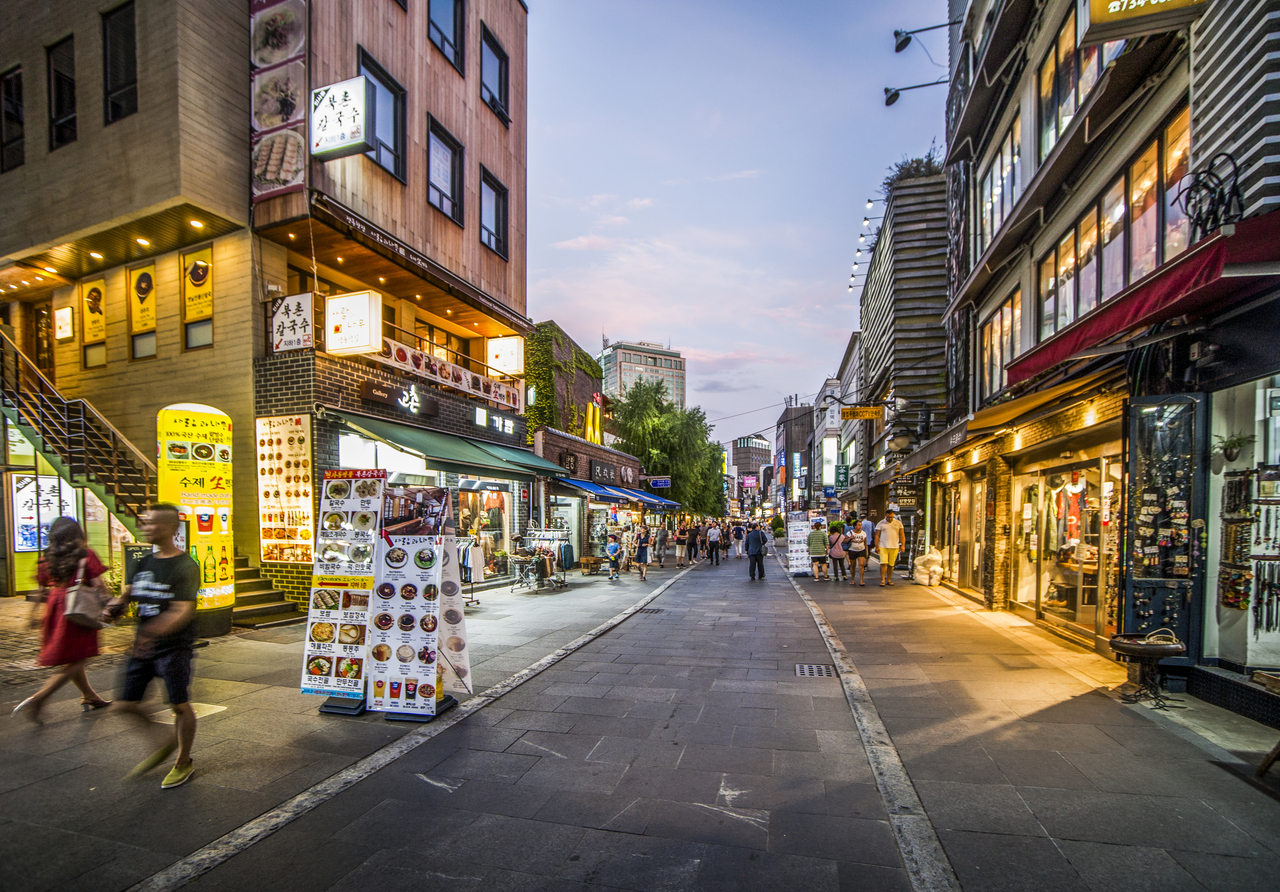
Insadong-gil rewards slow, aimless walking more than a fixed checklist — the street itself is the attraction, lined with calligraphy studios, hanji (traditional paper) shops, antique dealers, and small galleries that change their window displays weekly. Start at the Anguk Station end and work your way down toward Jongno; the street naturally narrows into pedestrian-only stretches on weekends, when vendors set up stalls selling hotteok, roasted chestnuts, and hand-pulled taffy (kkultarae) that’s become a popular photo-and-taste stop for younger visitors on Instagram.
For something more interactive, Running Man Insadong, a themed escape-room-style attraction based on the popular Korean variety show, sits in the basement of the Daeil Building at 12 Insadong-gil. It’s a good option if you’re traveling with a group and want an hour of activity that isn’t just shopping or eating. Book ahead on weekends, since slots fill quickly. For a more low-key modern stop, keep an eye out for Anyoung Insadong, a newer indoor mall along the street that’s grown popular on social media for its character-brand stores — a good contrast to the traditional shops surrounding it.
Is Insadong worth visiting at night?
Yes — Insadong shifts character after dark rather than shutting down. The main street stays lively into the evening with illuminated shopfronts and a calmer crowd, and Ssamzigil in particular is known for being especially vibrant at night, when its central courtyard and rooftop level draw a younger, date-night crowd. It’s quieter than Myeongdong after 9 PM, but not empty — treat it as a relaxed evening stroll rather than a nightlife destination.
Ssamzigil, Insadong’s Signature Shopping Complex
Ssamzigil is a spiraling, four-level shopping complex at 44 Insadong-gil that you enter from the ground floor and walk upward along a continuous ramp, browsing artisan stalls the entire way to the rooftop. Open daily from 10:30 AM to 8:30 PM, it’s free to enter, though individual craft workshops — pottery painting, hanji lantern-making, jewelry — charge separately, typically settled at the stall itself.
The building’s architecture is part of the draw: the spiral ramp was designed so visitors circle the interior courtyard rather than walking straight aisles, which is why it photographs so well and why it’s become one of the more Instagrammable stops in the neighborhood, alongside its love-lock installations and Korean hangeul-script signage. Most visitors stop for the “Ddongbbang” — a poop-emoji-shaped pastry that’s more novelty than culinary highlight, but it’s become something of a rite of passage for first-time visitors documenting the trip. Save 20–30 minutes at the end for the rooftop Sky Garden, which gives a rare elevated view over Insadong’s low-rise rooftops — a good place to sit down if you’ve been walking all day.
Ssamzigil on Naver Map | Ssamzigil on Google Maps

Where to Eat: Traditional Restaurants Worth Seeking Out
Insadong’s food scene has a reputation among repeat visitors for being pricier and more tourist-facing than nearby Jongno or Jong-gak, but a handful of restaurants earn their reputation on food quality alone rather than location. Gaeseong Mandu Koong, recognized in the Michelin Guide, specializes in handmade dumplings served in a hot, clear soup — a Gaeseong-style specialty that’s harder to find elsewhere in Seoul and worth the detour for dumpling fans. For something heartier, Insadong Garlic Bossam serves set meals built around boiled pork (bossam) alongside a rotation of traditional side dishes, and works well for groups splitting several plates.
If you’re avoiding spice, Insadong and the surrounding Jongno blocks have solid non-spicy options: jjimdak (braised chicken), seollangtang (milky ox bone soup), bibimbap without the gochujang, and standard Korean fried chicken are all widely available and easy to order even with minimal Korean. For a cheaper meal than most sit-down spots directly on Insadong-gil, locals point newcomers toward Jong-gak Station’s Youth Street or Sejong Village Food Street, both a short subway ride away, where prices run noticeably lower than the main tourist strip.
Are there vegan or vegetarian-friendly options nearby?
Yes, though they require a short walk rather than being directly on the main street. Several temple-food-influenced cafés and vegetable-forward restaurants operate in the surrounding Jongno alleys, and bibimbap and plain rice-based dishes can typically be ordered without meat on request at most traditional restaurants in the area.
Traditional Tea Houses of Insadong
Insadong’s tea houses are where the neighborhood’s traditional character is most concentrated, tucked into converted hanok buildings one or two alleys back from the main road rather than facing it directly. A cup of traditional tea — omija (five-flavor berry), yuja (citron), or ssanghwa (herbal) — typically runs about ₩6,000 to ₩12,000 and is usually served with a small traditional sweet, making it as much a sit-down experience as a drink order.
Dawon Traditional Tea House, inside the Kyung-in Museum of Fine Art’s courtyard garden, offers outdoor seating among traditional stone and greenery, which makes it a favorite for a mid-walk breather. Sinyet Chatjip rounds out the neighborhood’s tea scene with a similarly quiet, hanok-set interior and classic tea menu. (Note: Tteuran Tea House is actually located in Jeongeup, Jeollabuk-do, not in Insadong, Seoul.) None of these take walk-in reservations, so arriving slightly before or after the lunch rush (roughly 12:00–1:30 PM) gets you a table without waiting.
Jogyesa Temple and Bukchon Hanok Village
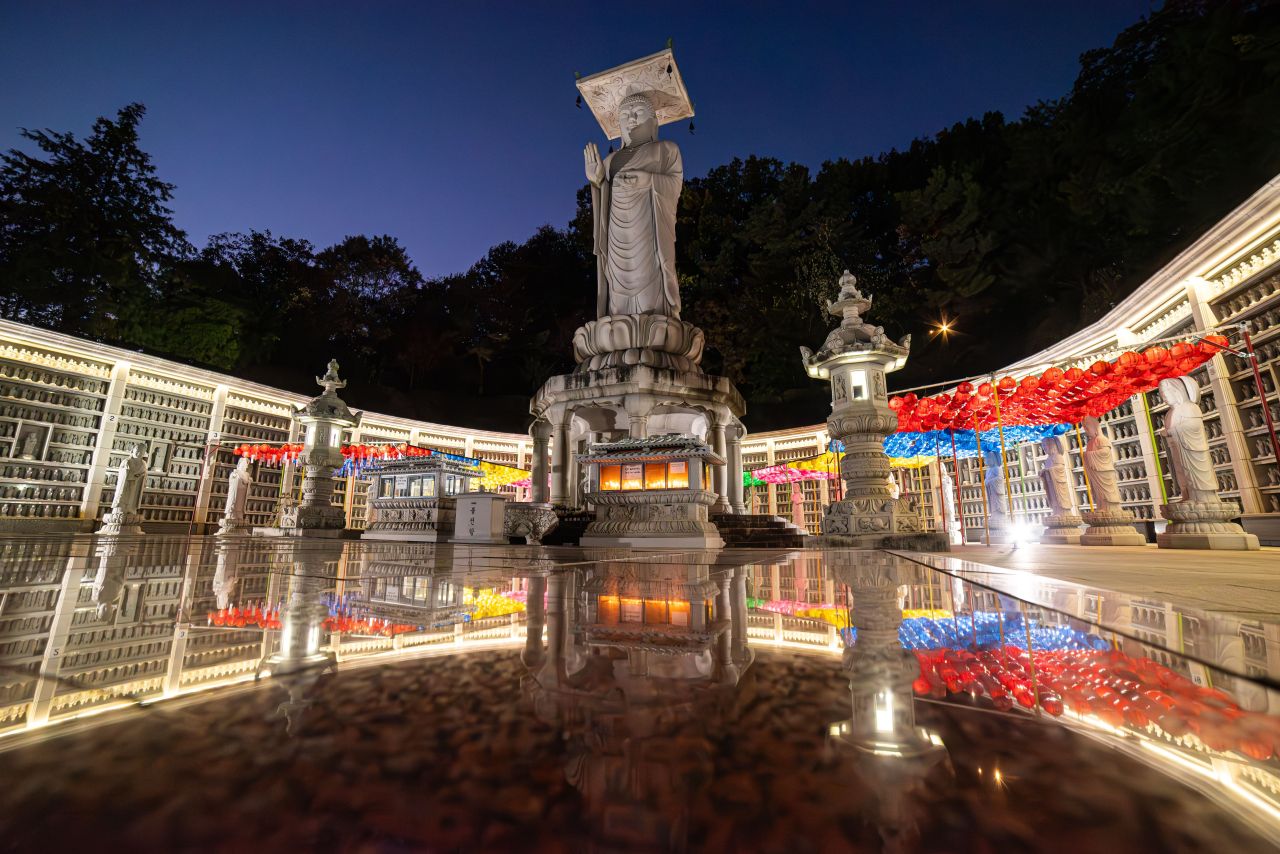
Jogyesa Temple, a five-to-ten-minute walk from Insadong-gil at 55 Ujeongguk-ro, is worth building into your visit even if you only have thirty minutes to spare. The temple grounds are open 24 hours and free to enter, with the Main Hall (Daeungjeon) and Geungnakjeon open 4:00 AM–9:00 PM; it’s especially striking during the Lotus Lantern Festival around Buddha’s Birthday, when thousands of lanterns cover the courtyard. Templestay programs, for those wanting a deeper cultural experience, start from about ₩10,000.
More details are on the Jogyesa official blog.
Bukchon Hanok Village is another 15–20 minutes north on foot and pairs naturally with an Insadong day trip. Note that as of March 1, 2025, the Red Zone around Bukchon-ro 11-gil restricts tourist visits to 10:00 AM–5:00 PM only, with a ₩100,000 fine for entering outside those hours (this applies equally to foreign visitors). Residents, lodging guests, and shop customers are exempt, but casual sightseers should plan their Bukchon visit within the permitted window.
How to Get to Insadong from Anguk Station
The fastest route into Insadong is Subway Line 3 to Anguk Station, Exit 6, followed by a roughly 100–120 meter straight walk before turning left onto Insadong-gil — about one minute total, making it one of the most subway-direct attractions in central Seoul. There’s no need for a taxi or bus transfer from the station; the entrance to the street is essentially at the exit.
If you’re coming from elsewhere in Seoul without direct Line 3 access, Jonggak Station (Line 1) and Jongno 3-ga Station (Lines 1, 3, 5) both sit within a 10–15 minute walk of the southern end of Insadong-gil, and both areas also happen to have cheaper food options than the main tourist street, so it can be worth routing your meal through one of these stations before or after your Insadong walk.
Where to Stay: Is Insadong a Good Base for Seoul?
Insadong works well as a base if you value a central, walkable location over nightlife, and travelers weighing it against Myeongdong often find Myeongdong more crowded and touristy by comparison. From Insadong, Gwanghwamun, Dongdaemun, and Jongno’s restaurant alleys are all a short subway or walking trip away, and the area itself quiets down noticeably at night, which appeals to travelers who don’t want late-night street noise but can feel too subdued for those hoping for an active nightlife scene, particularly in winter.
Hotel options directly in the neighborhood tend toward mid-range comfort — for example, recently opened hotels near Insadong have added onsen-style sauna facilities and late-night ramen service as guest perks, with standard room rates in the low ₩100,000s per night, reflecting the area’s shift toward more amenity-focused stays in the past couple of years. If quiet evenings and walking access to traditional sights matter more to you than bar-hopping, Insadong is a reasonable pick; if nightlife is the priority, Hongdae or Itaewon will suit better.
Nearby Neighborhoods to Combine With Your Visit
Ikseon-dong Hanok Village, about a 10-minute walk south of Insadong, is worth adding to the same day if you have the energy — it’s packed with hanok-converted cafés, restaurants, and boutique shops in a denser, more concentrated grid than Insadong, and tends to draw a younger local crowd rather than tour groups. Combining Insadong’s morning calm with Ikseon-dong’s afternoon café culture, then finishing at Bukchon before its 5 PM tourist cutoff, makes for a well-paced full day covering Seoul’s traditional core without excessive backtracking.
Frequently Asked Questions
How much time should I set aside for Insadong?
Two to three hours covers the main street, Ssamzigil, and a tea house stop at a relaxed pace. Add another hour if you plan to visit Jogyesa Temple or want to browse Ssamzigil’s rooftop and craft stalls without rushing.
Is there an entrance fee for Insadong or Ssamzigil?
No, both Insadong-gil and Ssamzigil are free to enter and walk through. The only costs come from individual purchases, meals, craft workshops inside Ssamzigil, or optional Templestay programs at Jogyesa Temple.
What’s the best day to visit Insadong-gil?
Weekends offer the fullest experience, since the street becomes fully pedestrianized (Saturday 2:00–10:00 PM, Sunday 10:00 AM–10:00 PM) with street vendors and a livelier atmosphere. For a quieter visit with more room to browse shops, a weekday morning before 11 AM is the better choice.
Can I combine Insadong with Bukchon Hanok Village in one day?
Yes, they’re about a 15–20 minute walk apart and commonly visited together. Just note that Bukchon’s Red Zone restricts tourist entry to 10:00 AM–5:00 PM as of 2025, so plan that portion of your day within those hours to avoid a fine.
Is Insadong too quiet at night, especially in winter?
It’s quieter than areas like Myeongdong or Hongdae, but not dead — shops and tea houses stay lit into the evening, and Ssamzigil in particular gets more atmospheric after dark. Winter evenings will feel calmer, so pair a night visit with a warm tea house stop rather than expecting a bustling nightlife scene.
In Conclusion
Insadong rewards visitors who treat it as a slow walk rather than a checklist: start at Anguk Station Exit 6, let the main street pull you toward Ssamzigil, sit down for tea in a hanok alley, and fold in Jogyesa Temple or Bukchon if time allows. Stick to weekday mornings or weekend afternoons depending on whether you want quiet or energy, budget an actual sit-down meal at one of the neighborhood’s traditional restaurants rather than grabbing street snacks alone, and keep Ikseon-dong in your back pocket if you want a livelier finish to the day. With free entry throughout, a one-minute subway walk, and enough packed into a few blocks to fill half a day, Insadong remains one of the easiest traditional neighborhoods in Seoul to visit without a rigid plan.
Coming in autumn? Pair Insadong with our one-day Seoul fall foliage itinerary covering the nearby palaces and Namsan.
Discover more from Korea Visiting
Subscribe to get the latest posts sent to your email.