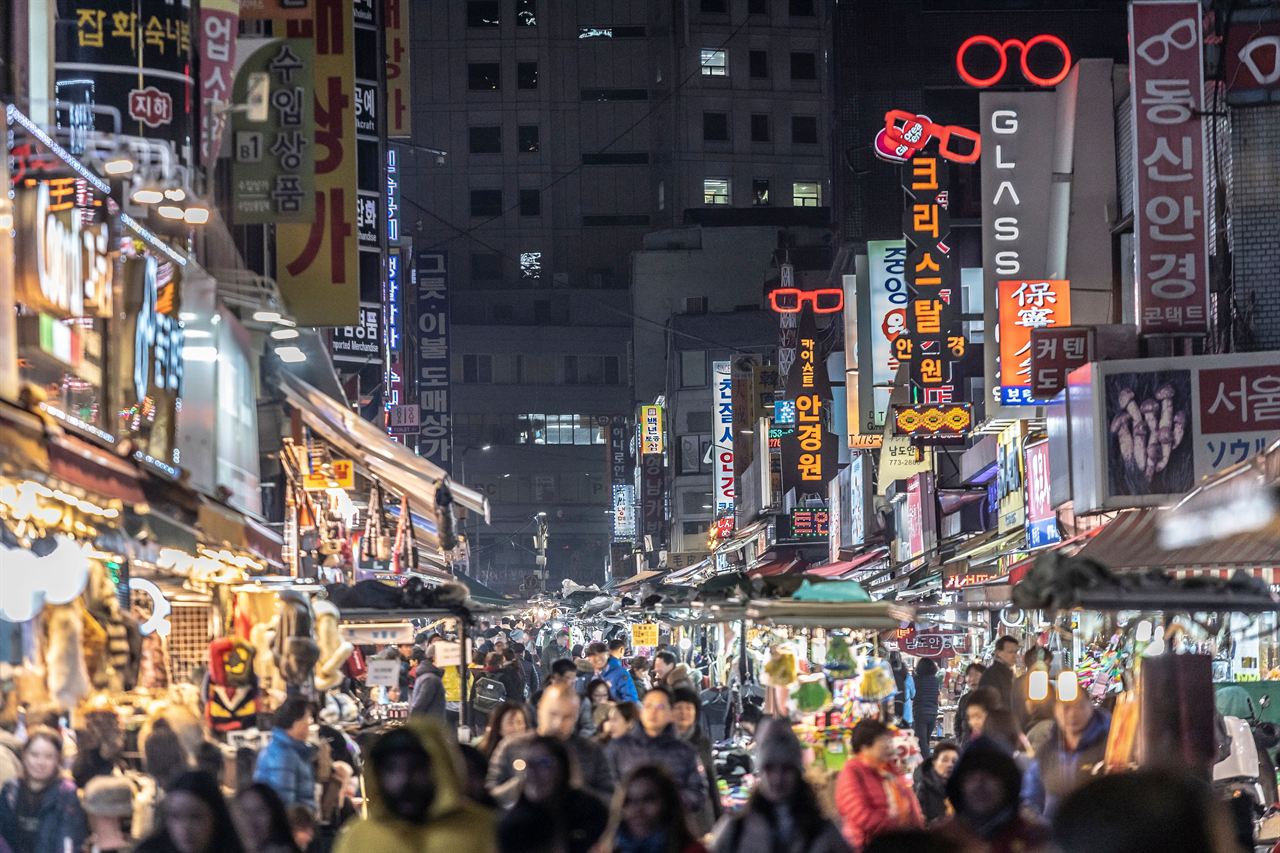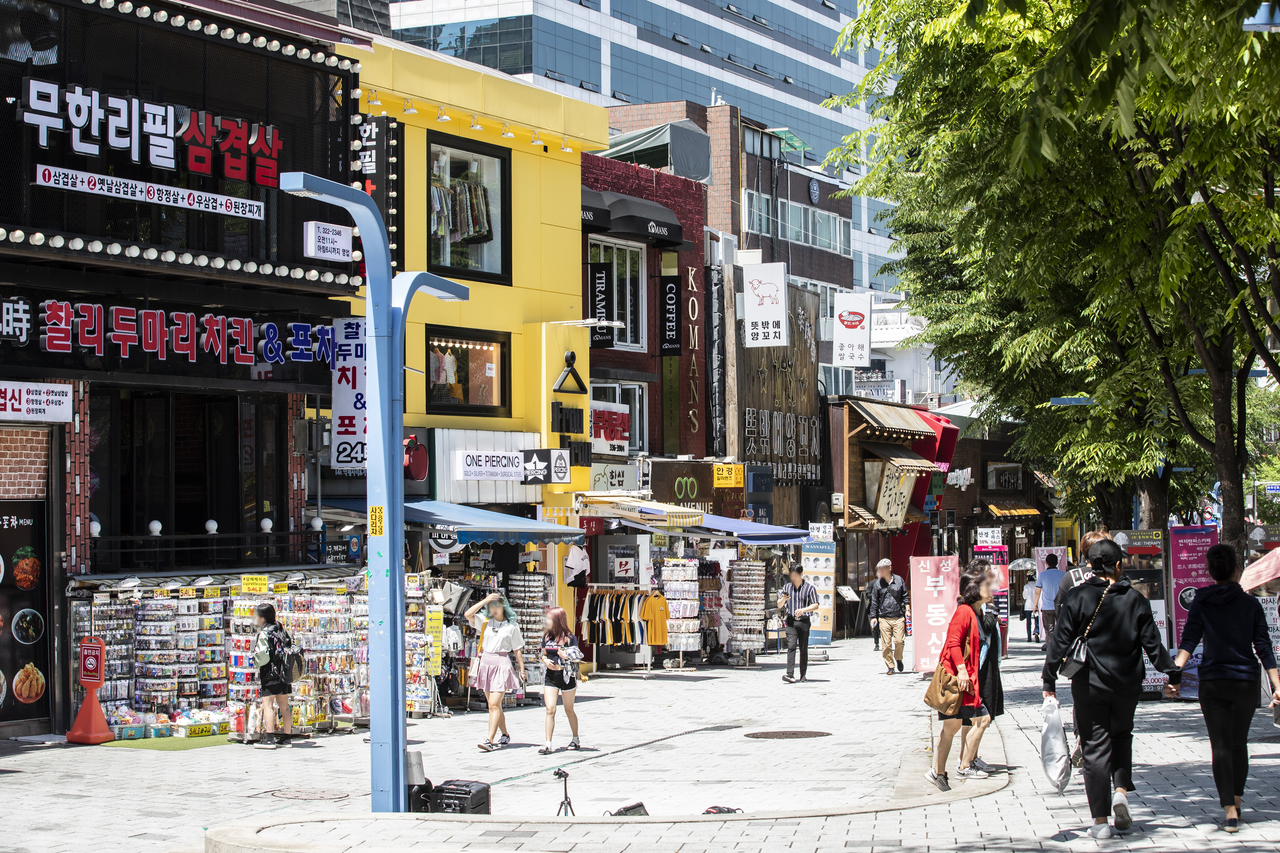
Stepping out of Hongik University Station for the first time, most travelers quickly realize why every Hongdae Seoul guide insists you need more than a quick walk-through — the neighborhood looks like three different places depending on whether you arrive at noon, sunset, or midnight. During the day, the main streets can feel oddly quiet compared to their Instagram reputation, and by the time the street performers and neon signs come out, first-timers are often unsure which alley actually leads to the “real” Hongdae experience versus a generic shopping street. Add in the maze of exits, the crowds around Exit 9, and the temptation to spend the whole visit shopping without seeing anything else, and it’s easy to leave feeling like you missed the point.
This guide breaks down exactly what to see, when to go, and how to get there without wasting half your day figuring it out.
Key Takeaways
- Hongdae rewards visitors who plan around the clock: afternoons for cafes and shopping, early evening for street performances, late night for the club scene.
- Exit 8 or Exit 9 at Hongik University Station puts you closest to the main action.
- The Hongdae Art Market Free Market runs Saturdays from March to November near Hongik Culture Park.
- A T-money card is the single most useful purchase for getting around, including from Incheon or Gimpo airport.
- The most rewarding finds — indie cafes, vinyl shops, hidden murals — are usually one block off the main street, not on it.
📍 ABC-Mart – Hongdae Hongik-ro Branch (ABC마트 GS 홍대홍익로점) — Essential Information
| Address | 13, Hongik-ro 5-gil, Mapo-gu, Seoul |
| Note | Tax refund shop |
| Map | Google Maps · Naver Map |
Hongdae at a Glance
Why visit: Hongdae is Seoul’s most concentrated youth culture district, packed into walkable streets around Hongik University — the closest thing Seoul has to one neighborhood covering street art, indie music, themed cafes, and nightlife all at once.
What you’ll see and experience: Buskers and K-pop dance cover crews performing on street corners, mural-covered alleyways, themed cafes and photo booths, small live music clubs, and — on Saturdays in season — an open-air art market.
Getting there: Hongik University Station (Line 2, Gyeongui-Jungang Line, and AREX) sits right at the edge of the district; Exit 8 or Exit 9 puts you within a two- to three-minute walk of the busiest streets.
Tickets and admission: The neighborhood itself is free to explore. Street performances cost nothing to watch, while live music clubs typically charge a cover of ₩10,000–₩30,000, often including a drink minimum.
Tips from past visitors: Don’t stop at the first crowded street you find — the more interesting shops, indie cafes, and vinyl stores tend to sit one or two blocks back from the main road. Visiting at a single time of day only shows you one side of Hongdae; afternoons, early evenings, and late nights each feel like a different neighborhood.
Nearby spots worth combining: Gyeongui Line Forest Park (Yeontral Park) borders the area toward Yeonnam-dong, making it an easy add-on for a quieter walk before or after exploring the main streets.
Things to Do in Hongdae Beyond Shopping and Clubs
Hongdae has enough non-shopping, non-nightlife activities to fill a full day even if bars and boutiques aren’t your priority. The Trickeye Museum is the district’s best-known indoor stop, using 3D trick-art illusions to create photo ops that look far more dramatic in pictures than they do in person — it’s a reliable rainy-day option and a favorite with families and groups traveling together. A short walk away, Hongdae Mural Street layers years of street art across a stretch of alleyway walls, and it rewards slow wandering rather than a quick pass-through; some of the best pieces are tucked into side lanes rather than the main path.
For a change of pace, Gyeongui Line Forest Park (also called Yeontral Park) runs along a converted rail line at the edge of Hongdae, offering a green, walkable corridor that locals use for picnics, casual hangouts, and people-watching rather than sightseeing in the traditional sense — it’s a good place to decompress between busier stops. If your visit lands on a Saturday between March and November, the Hongdae Art Market Free Market near Hongik Culture Park is worth timing your day around: independent artists and craftspeople sell handmade goods, and the atmosphere is noticeably more relaxed than the shopping streets nearby.
Beyond the named attractions, much of what people actually enjoy in Hongdae isn’t a single destination at all — it’s arcade halls, board game cafes, laser tag venues, and karaoke rooms scattered through the side streets, discovered by wandering rather than following a checklist.
How to Get to Hongdae (Hongik University Station)
Hongik University Station is the access point for Hongdae, served by Subway Line 2, the Gyeongui-Jungang Line, and the Airport Railroad Express (AREX), with Exit 8 or Exit 9 leading directly into the main entertainment streets. Because three separate lines converge here, it’s usually faster to check which line drops you closest to your entry point rather than defaulting to the same exit every time.
From Incheon International Airport, the AREX All-Stop train runs directly to Hongik University Station without a transfer, taking roughly 52–55 minutes from Terminal 1 and 59–62 minutes from Terminal 2 — a one-seat ride that’s hard to beat for a first arrival with luggage. From Gimpo International Airport, the same AREX line takes only about 14–16 minutes, making Hongdae a genuinely convenient home base if you’re flying Gimpo rather than Incheon. From Seoul Station, AREX covers the two stops to Hongik University Station in around 8 minutes, making it the fastest and most direct option compared to subway routes that typically involve transfers and take longer.
A T-money card is worth buying before you do any of this. The card itself costs ₩2,500–₩5,000 and works across subways, buses, taxis, and even some convenience stores, with the added benefit of up to four free transfers between different transport modes within 30 minutes of each other — a real saving if your route involves a bus-to-subway connection. Base subway fares in Seoul run about ₩1,550 for the first 10 km, rising with distance. If you’re heading back late and the subway has stopped running, night buses such as the N26 charge a basic fare of ₩2,500 with a card.
Best Time to Visit Hongdae
The best time to visit Hongdae depends on what you want out of it: late afternoon into evening delivers the full street-performance, street-food, and nightlife experience, while spring and fall bring the most comfortable weather for walking the outdoor streets and markets. Arriving too early in the day is the most common first-timer mistake — many cafes and shops open late morning, and the street performers and buskers that define Hongdae’s reputation don’t usually start until the afternoon crowd builds.
Seasonally, spring and autumn are the most pleasant months to explore on foot, avoiding both the summer humidity and winter cold that can make lingering in outdoor alleys uncomfortable. If your schedule allows a Saturday between March and November, pairing your visit with the Hongdae Art Market Free Market near Hongik Culture Park adds a market atmosphere you won’t find on an ordinary weekday. For nightlife specifically, weekend evenings bring out the fullest version of Hongdae’s club and live-music scene, though that also means the busiest crowds — visiting on a weeknight evening still delivers street performances and a lively atmosphere with noticeably more breathing room.
Shopping in Hongdae, From Sneakers to Skincare
Hongdae’s shopping strip mixes global footwear chains, Korean beauty and wellness brands, and small independent boutiques within a few blocks of each other. ABC-Mart’s Hongik-ro branch, located at 13 Hongik-ro 5-gil in Mapo-gu, brings together shoe brands like Nike, Adidas, and Puma under one roof at accessible prices, making it a straightforward stop if you need a quick sneaker fix without hunting across multiple stores. For something less typical of a souvenir run, CheongKwanJang’s Hongik University Station branch at 120 Yanghwa-ro carries the century-old Korean red ginseng brand’s wellness products, a popular pick among international visitors looking for a gift with more substance than a keychain or magnet.
The real character of Hongdae shopping, though, shows up once you leave the main road. Side alleys hide small fashion boutiques, secondhand and vintage racks, and independent record stores selling vinyl that you won’t find listed on any map — these are the stops locals mention when they talk about Hongdae’s shopping scene being different from the mall-style retail found elsewhere in Seoul.

Cafes, Photo Spots and Hidden Alley Finds
Hongdae’s cafe culture leans heavily into visual, shareable design, and the trend cycles fast enough that the “hottest” spot changes every few months — locals treat the area near Mangwon Station, just past Hongdae proper, as a reliable source for newer, less crowded finds rather than sticking only to the main streets. Photo booths have become a genuine activity in their own right here, not just a novelty; groups of friends and couples treat a booth session as a planned stop on the itinerary rather than an afterthought, and the better booths tend to sit slightly off the busiest corners where foot traffic is lighter.
If you want a beauty experience alongside the sightseeing, foreigner-friendly hair salons in the wider Hongdae area — including branches in nearby Hapjeong — cater specifically to international visitors wanting a perm or color treatment as a small, low-stakes way to try something different while traveling. The common thread across all of these finds is the same advice locals repeat often: walk one block past what looks like the main strip before deciding you’ve seen everything.
Hongdae Nightlife and Street Performances
Hongdae’s nightlife builds gradually rather than switching on at a fixed hour, starting with buskers and dance crews performing for tip jars in the early evening and escalating into a full club scene as the night goes on. Watching street performances costs nothing, and the quality varies from casual amateur groups to genuinely polished K-pop dance covers that regularly circulate on video platforms afterward. Once the sun is down, live music clubs scattered through the side streets typically charge a cover of ₩10,000–₩30,000, often bundled with a drink, which is worth budgeting for if a specific venue is on your list.
If you’re planning to go into a club later in the night, carrying a passport is generally necessary for entry, which is worth weighing against the risk of carrying important documents while out drinking — a photocopy or a secure cross-body bag is a reasonable compromise many travelers use. Karaoke rooms and late-night food stalls fill the gaps between bar-hopping, and because Hongdae runs later than most Seoul neighborhoods, it’s realistic to treat this as a genuine late-night district rather than an early-evening stop.
Beyond Hongdae, Yeonnam-dong and Hapjeong
Hongdae connects easily on foot to a handful of neighboring areas that offer a calmer version of the same energy, and combining one of them into your visit is one of the most consistent pieces of advice from repeat travelers. Yeonnam-dong, just across Gyeongui Line Forest Park, has a similar cafe-and-indie-shop feel with noticeably thinner crowds, making it a natural extension of a park walk. Hapjeong, sitting just southwest of the main Hongdae streets, is another common pairing for travelers who want the same neighborhood feel without fighting through Exit 9 foot traffic.
If you’re deciding whether Hongdae deserves a full day or just an afternoon, the honest answer depends on your interests: it’s an easy recommendation for anyone drawn to street culture, casual food, markets, and people-watching, but travelers with no interest in shopping, cafes, or nightlife may find a shorter visit is enough before moving on to other parts of Seoul.
Frequently Asked Questions
What are the must-see spots in Hongdae for a first visit?
The Trickeye Museum, Hongdae Mural Street, and Gyeongui Line Forest Park cover the main sightseeing bases, while the Hongdae Art Market Free Market (Saturdays, March–November) adds a market element if your timing lines up. Beyond these, much of Hongdae’s appeal comes from wandering the side streets rather than checking off a fixed list.
Is Hongdae worth visiting if I don’t like shopping or clubbing?
Yes, though it requires seeking out the right activities: street performances, murals, themed cafes, arcade and board game venues, and Gyeongui Line Forest Park all have nothing to do with shopping or nightlife. Travelers with zero interest in either category may still prefer a shorter visit rather than a full day.
How do I get to Hongdae from Incheon or Gimpo Airport?
From Incheon International Airport, take the AREX All-Stop train directly to Hongik University Station, a ride of about 52–62 minutes depending on your terminal. From Gimpo International Airport, the same AREX line takes only about 14–16 minutes, making Hongdae quick to reach if you’re flying through Gimpo.
What time of day should I visit Hongdae?
Late afternoon through evening delivers the fullest experience, since street performers, food stalls, and the club scene mostly build up after midday. Visiting only in the morning tends to feel quieter than expected, so plan your main Hongdae time for the afternoon and evening if you want the atmosphere you’ve seen in photos and videos.
Is it safe to go to Hongdae nightclubs, and do I need my passport?
Carrying a passport is generally required for entry to clubs in Hongdae, so plan around that requirement rather than being caught off guard at the door. Since carrying important documents on a night out carries some risk, many travelers use a secure bag or keep a photocopy as backup while the original stays somewhere safe.
In Conclusion
Hongdae rewards a plan that matches the time of day to the activity: afternoons for the Trickeye Museum, murals, and shopping streets; early evening for street performers and dinner; late night for live clubs if that’s your scene. Getting there is straightforward via Hongik University Station’s Exit 8 or 9, and a T-money card will save both time and money whether you’re arriving from Incheon Airport or just hopping between neighborhoods. The biggest upgrade most first-timers can make is simple — walk one block past the main street, whether that leads to a quieter cafe, a mural-covered alley, or the calmer streets of Yeonnam-dong next door. Treat Hongdae as a neighborhood to explore in layers rather than a single attraction to check off, and it delivers a very different, better experience than a rushed walk-through.
Discover more from Korea Visiting
Subscribe to get the latest posts sent to your email.