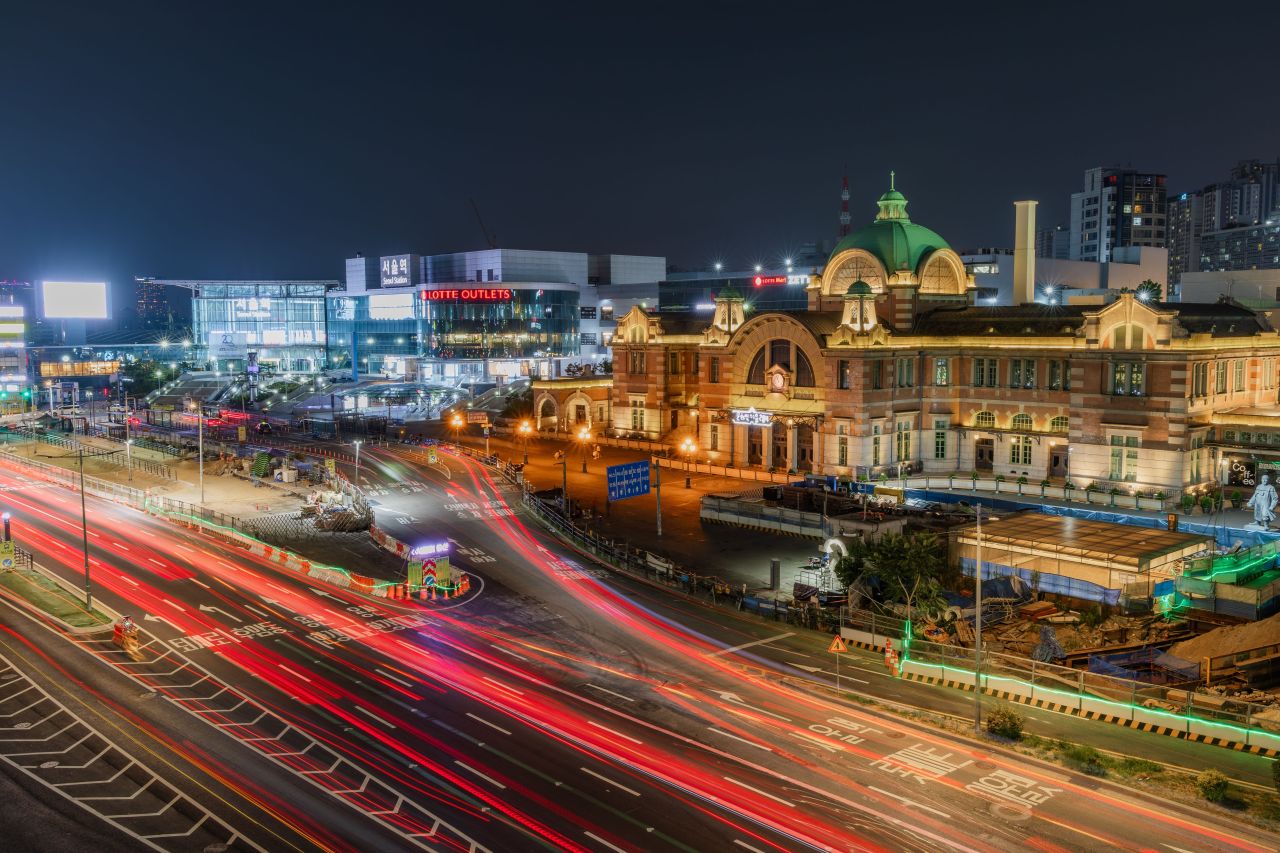
Standing right outside Seoul Station with a crumpled subway map and about an hour to spare, most first-time visitors have no idea that the old Renaissance-style building beside the exit is actually a free cultural complex worth stepping into. This Culture Station Seoul 284 travel guide is built for exactly that moment — when you want to know quickly whether it’s worth the detour, what’s inside, and how to reach the entrance without walking in circles around Seoul Station’s exits. Culture Station Seoul 284, the beautifully restored former Seoul Station building, sits just a one-minute walk from Exit 1 or 2, making it one of the easiest cultural stops to slot into a Seoul itinerary, whether you’re killing time before a train or making it a dedicated afternoon trip.
Key Takeaways
- Culture Station Seoul 284 is the restored 1925 Gyeongseong (old Seoul) Station building, now a free public exhibition space.
- It’s about a 1-minute walk from Seoul Station Exit 1 or 2, reachable via Line 1, Line 4, the Airport Railroad, and the Gyeongui-Jungang Line.
- General admission and most exhibitions are free; only select special programs charge a fee.
- It’s an indoor, year-round attraction, less crowded than typical Seoul landmarks even on weekends.
- Exhibitions rotate regularly, so what you see changes with each visit — check the current show before you go.
📍 Culture Station Seoul 284 — Essential Information
| Address | 1 Tongil-ro, Jung-gu, Seoul |
| Opening hours | 11:00-19:00 |
| Closed | Mondays ※Request to visit after checking the exhibition period (not operating the exhibition preparation period) |
| Parking | Not available |
| Website | www.seoul284.org |
| Best time to visit | Least crowded on Wednesdays; busiest on Fridays (Korea Tourism Organization crowd forecast) |
| Map | Google Maps · Naver Map |
Culture Station Seoul 284 at a Glance
- Why visit: A century-old train station turned art space, offering a rare mix of colonial-era architecture and rotating contemporary exhibitions — all for free.
- What you’ll see: The domed central hall, preserved waiting rooms and ticket windows, and gallery spaces hosting rotating art, design, or historical exhibitions.
- Getting there: From Seoul Station’s main concourse, take Exit 1 or 2; the older, ornate building sits just to the right of the modern station front — about a 1-minute walk.
- Tickets and admission: General entry and most exhibitions are free; some special programs or workshops may carry a separate fee.
- Tips from past visitors: Arrive with time to spare before closing, since last admission cuts off early; photographers recommend the exterior at dusk when the building is lit up.
- Nearby spots worth combining: Seoullo 7017 skywalk and the ABC-Mart store in Myeongdong (a short trip from Seoul Station, not immediately adjacent).
What Makes Culture Station Seoul 284 Worth the Detour
Culture Station Seoul 284 earns its place on a Seoul itinerary because it condenses over a century of history into a single, walkable building without asking visitors to pay anything for the privilege. Originally opened in 1900 as Namdaemun Station and rebuilt in 1925 as Gyeongseong Station, the structure survived Korea’s turbulent 20th century before being retired as an active train station and reopened in 2011 as Culture Station Seoul 284. The name itself is a small history lesson: “284” refers to the building’s registration number as a national cultural heritage site. Visitors who walk in expecting a dusty museum are usually surprised to find working exhibition halls, a striking domed lobby with a chandelier, and preserved rooms — like the old first-class waiting room — that hint at what train travel looked like a century ago. Because the building rotates its exhibitions roughly every few months, the “content” changes even though the shell stays the same, which is why locals and repeat visitors describe it as a spot they return to rather than a one-and-done stop.
Getting to Culture Station Seoul 284 from Seoul Station
The single biggest advantage of Culture Station Seoul 284 is that it requires almost no separate travel planning if you’re already navigating Seoul Station. The building sits directly beside the station’s main entrance, so anyone arriving via Line 1, Line 4, the Airport Railroad (AREX), or the Gyeongui-Jungang Line can reach it within a minute or two of surfacing from the platforms. From inside the station concourse, head toward Exit 1 or 2; once you’re street-level and facing the modern glass-and-steel Seoul Station building, the older red-brick, domed structure will be visible just to the right. There’s no need to cross a major road or backtrack — it’s essentially an extension of the station plaza. Visitors coming by intercity or KTX train have it even easier, since the building is visible the moment they step outside the main station hall. For those arriving by bus, dozens of routes converge at the Seoul Station bus stops, all within a short walk of the same plaza. If you’re coming from elsewhere in the city, treat this as a natural add-on to any trip that already routes you through Seoul Station rather than a standalone destination requiring extra transfers.
Exhibitions and Programs Inside the Building
What you actually encounter inside Culture Station Seoul 284 depends entirely on which exhibition happens to be running, which is part of the appeal for repeat visitors. Past and current programming has ranged from railway history retrospectives — including shows that dig into Seoul Station’s own transformation — to contemporary art, photography, and design exhibitions that use the building’s vaulted ceilings and natural light as a backdrop. Because the space rotates its lineup rather than maintaining a permanent collection, it’s worth doing a quick search for “what’s showing now” before you go, especially if you’re specifically chasing a particular exhibition rather than just the architecture. Beyond exhibitions, the venue periodically runs a guided space tour program that walks visitors through architectural details and restored rooms not always accessible during a casual visit; these tours typically require advance online reservation through the official site rather than same-day sign-up, so plan ahead if a guided walkthrough is the main draw for your visit. Workshops and cultural events also appear on the calendar from time to time, aimed at both adults and families, though these are separate from general free admission and may carry their own cost or registration requirement.
Who Gets the Most Out of a Visit
Different types of travelers will use Culture Station Seoul 284 differently, and knowing which category you fall into helps set expectations. History buffs tend to spend the most time here, lingering over the preserved waiting rooms and reading the building’s timeline from Namdaemun Station to its current form, since the architecture itself is the exhibit. Art and design enthusiasts usually treat it as a rotating gallery stop, checking what’s currently on show and moving through at a gallery pace rather than a museum pace. Photographers — both casual and serious — gravitate toward the domed lobby during the day and the illuminated exterior at dusk, since the facade lit up at night is one of the more distinctive photo backdrops near Seoul Station. Solo travelers and those with a short layover benefit most from its location, since it’s genuinely possible to see the highlights in 20 to 30 minutes between other plans. Families with strollers should note that the historic building’s original staircases and thresholds aren’t fully stroller-friendly in every section, so a baby carrier or a flexible pace works better than expecting smooth, level access throughout.
Best Time to Visit Culture Station Seoul 284
The best time to visit Culture Station Seoul 284 depends less on Seoul’s weather and more on what’s currently on exhibition and how crowded you want it to be. Because the entire experience is indoors, it works as a reliable rainy-day or extreme-weather backup plan year-round, unlike outdoor attractions that depend on spring or autumn conditions. That said, if the goal is combining this stop with a broader walk around Seoul Station and nearby Seoullo 7017, the milder April–June and September–November stretch still makes the surrounding outdoor portions of the trip more comfortable. In terms of crowds, relative visitor-concentration data suggests Wednesdays tend to be the quietest day to visit, while Fridays see the highest footfall — useful to know if you’re specifically trying to avoid a packed lobby for photos. Because exhibitions rotate every few months, timing a visit around a specific show you want to see is often more important than timing it around the season; checking the current exhibition schedule before you go ensures you’re not walking into a changeover period when galleries may be partially closed for installation.
Pairing Culture Station Seoul 284 with Seoullo 7017
Combining Culture Station Seoul 284 with a walk along Seoullo 7017 is one of the most efficient ways to turn a quick stop into a fuller half-day around Seoul Station. Seoullo 7017 is the elevated pedestrian park built atop a former overpass that once crossed the Seoul Station railway tracks; converted into a walkway in 2017, it now sits about 17 meters above ground and offers panoramic views over the rail yards and surrounding cityscape. It’s directly connected to Seoul Station, so after finishing at Culture Station Seoul 284, visitors typically loop back toward the station and take one of the connecting stairs or elevators up to the walkway. Unlike Culture Station Seoul 284, Seoullo 7017 is an outdoor, open-air route, so it’s best enjoyed in decent weather or with proper layers in winter. The combination works well precisely because one stop is a controlled indoor gallery experience and the other is an open urban walk — together they cover both the historical-architectural angle and a modern-Seoul skyline angle without requiring any additional subway transfers.
Frequently Asked Questions
Is Culture Station Seoul 284 free to enter?
Yes, general admission and most exhibitions are free of charge. Some special programs, workshops, or guided tours may require a separate fee or advance reservation, so it’s worth checking the specific program details before assuming everything on-site is included.
How long should I plan to spend there?
Most visitors spend between 30 minutes and an hour, depending on how much time they give to reading the historical panels and exploring the current exhibition. History enthusiasts and photographers often stay closer to an hour, while those on a tight layover schedule can still see the highlights in around 20 minutes.
Is Culture Station Seoul 284 stroller or wheelchair accessible?
Because it’s a preserved historic building, some original staircases and thresholds aren’t fully level, which can make stroller navigation inconvenient in certain sections. It’s still visitable with a stroller or wheelchair with some extra care, but a baby carrier is often more practical for parents who want to move through quickly.
Can I combine this with other Seoul Station attractions in one visit?
Yes — its location directly beside Seoul Station makes it easy to pair with a walk along Seoullo 7017, the elevated park connected to the station, or shopping at the nearby Seoul Station outlet stores. Most travelers treat it as one stop within a broader Seoul Station loop rather than a standalone destination.
Do exhibitions change often at Culture Station Seoul 284?
Yes, exhibitions rotate on a regular schedule, often every few months, meaning the experience differs depending on when you visit. It’s a good idea to check what’s currently on display before heading over, especially if a specific exhibition is your main reason for visiting.
In Conclusion
Culture Station Seoul 284 rewards travelers who treat it as an easy, low-effort add-on rather than a major expedition: it costs nothing to enter, sits a minute from Seoul Station’s exits, and works rain or shine since everything happens indoors. The real planning question isn’t whether to go, but when — checking the current exhibition and picking a quieter weekday, if crowds matter to you, will shape the visit more than the season ever will. Pair it with a walk along Seoullo 7017 for a fuller sense of how old and new Seoul Station coexist just steps apart, and you’ll walk away with a richer stop than most people expect from “that old building next to the station.”
Discover more from Korea Visiting
Subscribe to get the latest posts sent to your email.