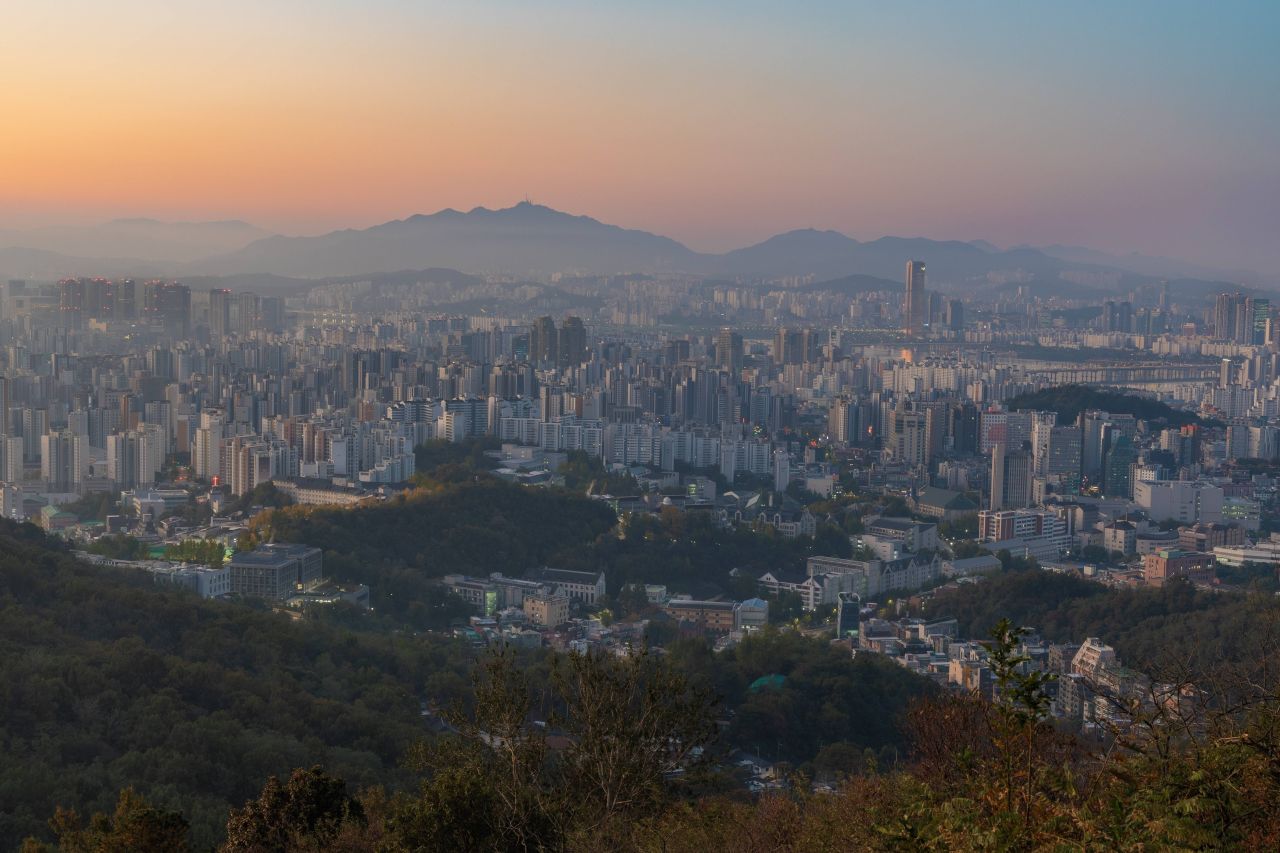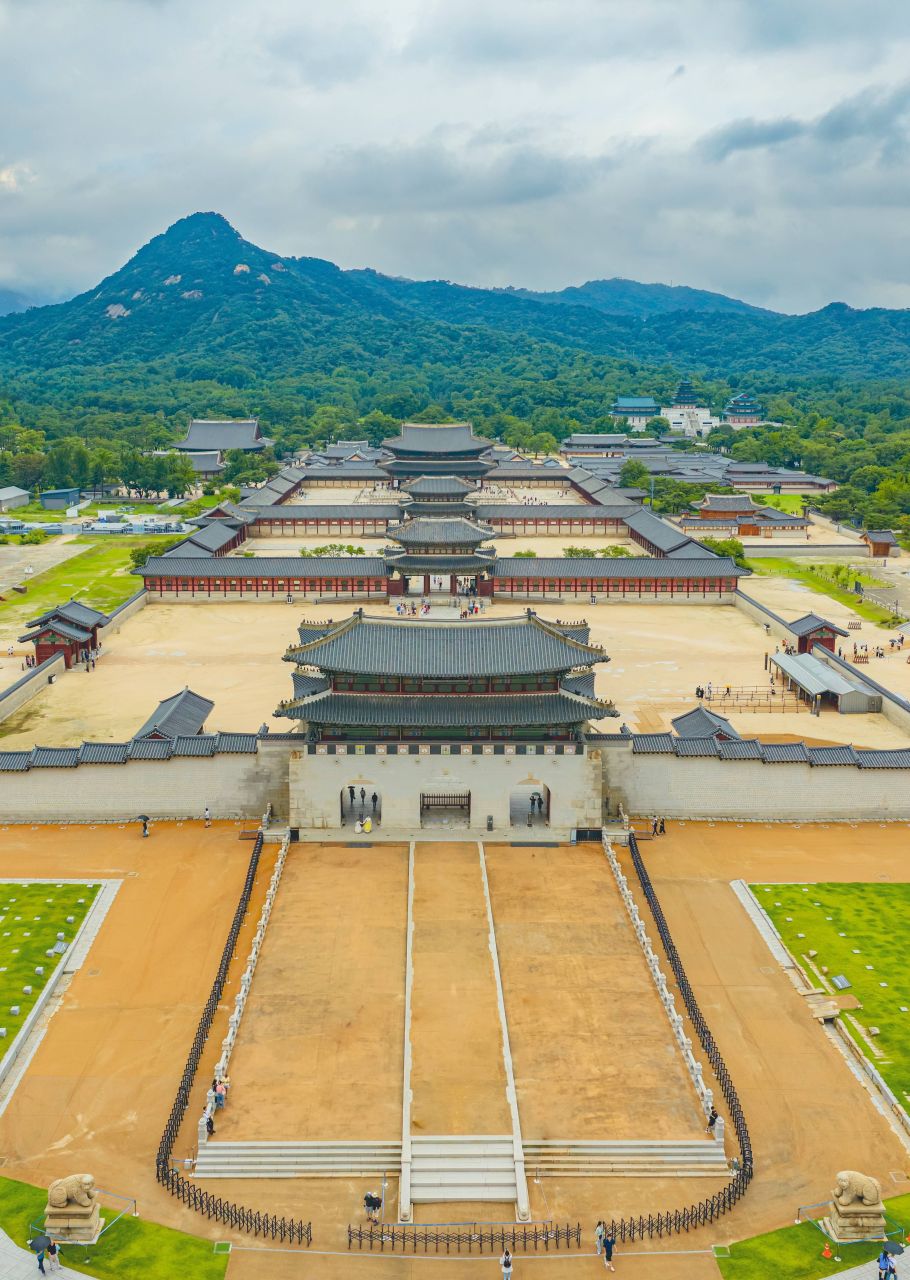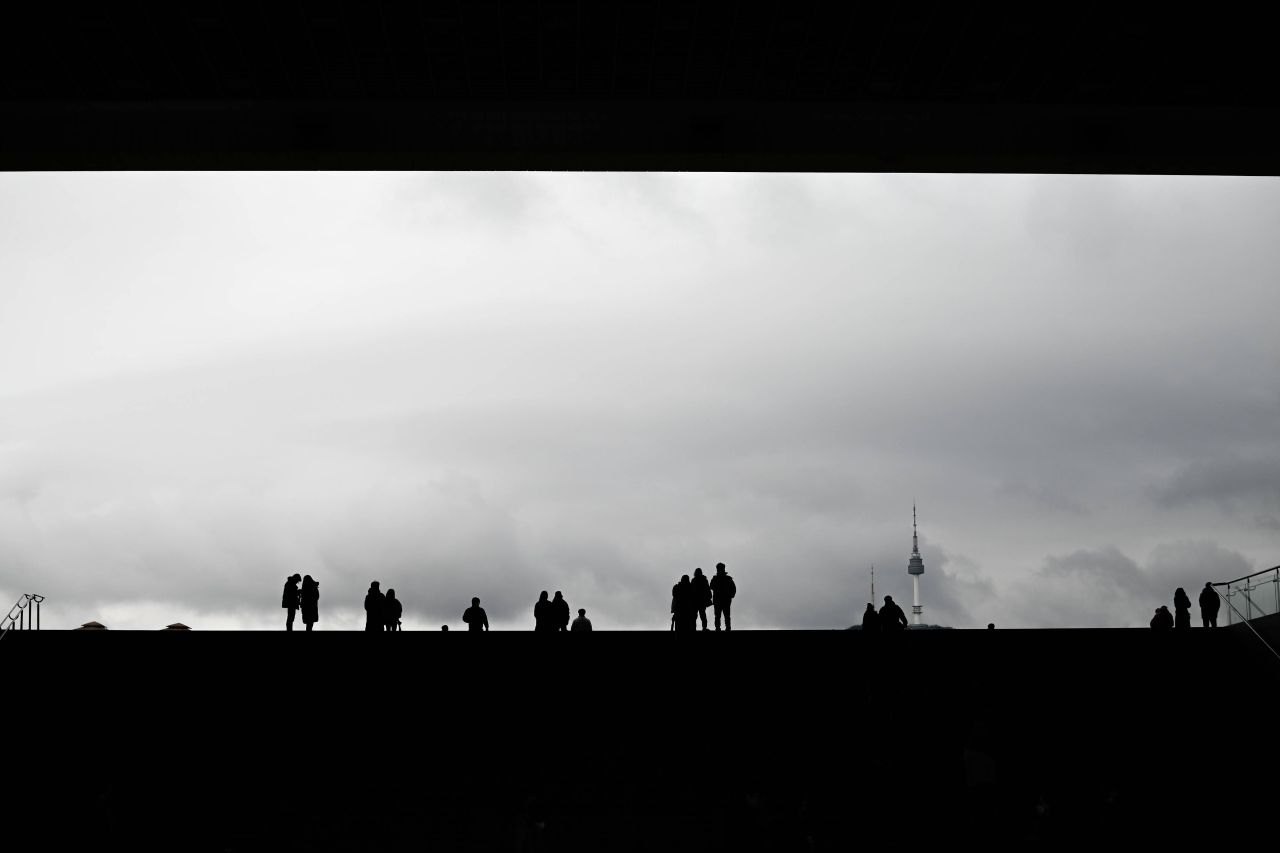
This Yongsan one-day itinerary links the National Museum of Korea near Ichon Station, the alleyways of Haebangchon, and the peak of Namsan into a single, realistic day of walking, culture, and views. It suits first-time visitors to Seoul who want one cohesive day covering history, a laid-back neighborhood with international food, and the city’s most famous skyline overlook — without needing a car or an overly rigid schedule. The route runs roughly south to north: start at the National Museum of Korea (or an alternative museum), move to Haebangchon and Gyeongnidan-gil for lunch and café-hopping, then finish by hiking or cable-carring up Namsan for sunset at N Seoul Tower before heading back toward Yongsan Station.
Key Takeaways:
- The core loop is National Museum of Korea (or War Memorial of Korea / Leeum) → Haebangchon/Gyeongnidan-gil → Namsan → N Seoul Tower, doable in about 8–9 hours including meals.
- Budget about 2–2.5 hours for the museum, 2 hours for Haebangchon, and 2.5–3 hours for the Namsan/tower leg — don’t try to add a fourth major stop.
- Getting from Haebangchon to Namsan is a genuine hike (about 30–90 minutes depending on the route), so wear real walking shoes.
- Permanent museum exhibits are free; the only paid stops are Leeum (if chosen), the Namsan Cable Car, and the N Seoul Tower observatory.
- Weekends and Saturdays run busiest at these attractions, so a weekday visit means shorter lines and calmer photos.
Morning — National Museum of Korea (or an Alternative Museum)
The most efficient way to open this Yongsan one day itinerary is with a museum visit near Ichon Station, since it anchors the rest of the day’s northward walk toward Namsan. Plan to arrive when the museum opens, typically at 9:30 AM on most days or 9:00 AM during summer vacation, and budget about 2 to 2.5 hours for the permanent galleries plus a stroll through the outdoor exhibition grounds.
Which museum should you choose — National Museum, War Memorial, or Leeum?
The National Museum of Korea is the best default choice: it’s free, covers Korean history and art from prehistory to the modern era, and has a dedicated Children’s Museum if you’re traveling with kids. As of 2026, temporary exhibitions have included a Thai art showcase and a Kim Hong-do retrospective, so check the “reserve” page on the official site if a special exhibition interests you, since those can carry a separate fee. If you’d rather focus on modern military history, the War Memorial of Korea is a strong alternative — its permanent halls are also free, and it sits closer to Haebangchon, which can shorten your midday transfer. For a contemporary and traditional art combination in striking architecture by Mario Botta, Jean Nouvel, and Rem Koolhaas, Leeum, Samsung Museum of Art is the pick — its permanent traditional-art collection is free (but requires an advance reservation), though special exhibitions may run about 18,000 KRW (about 9,000 KRW for youth/teens/seniors) as of 2025–2026, so book online a few days ahead if you choose this option.
How to get to the National Museum of Korea
From Yongsan Station, ride the train (Gyeongui-Jungang Line) to Ichon Station, about a 3-minute train ride, then take Exit 2 and walk roughly 5 minutes through the underpass directly to the museum grounds. If you choose the War Memorial instead, get off at Samgakji Station (Line 4 or 6) and take Exit 12 for a short walk. Leeum is a slightly longer walk or short taxi ride from either Noksapyeong Station (Line 6) or Itaewon.
What to see and how much time to budget
Give yourself the full morning: the National Museum’s outdoor exhibition area alone (pagodas, stone artworks, and a reflecting pond) is worth 20–30 minutes, on top of 1.5–2 hours indoors. If you’re moving on to Haebangchon by early afternoon, pick two or three gallery highlights rather than trying to see everything — this is meant to be one relaxed stop in a fuller day, not the whole day’s focus.

Midday — Lunch and Exploring Haebangchon & Gyeongnidan-gil
Haebangchon (often shortened to “HBC”) and its main strip, Gyeongnidan-gil, deliver the international food scene and social-media-friendly cafés that round out this Yongsan one day itinerary between the museum and Namsan. Plan on about 2 hours here for lunch, a coffee stop, and a wander through the side streets.
How to get from the museum to Haebangchon
From Ichon Station, take Line 4 to Samgakji Station and transfer to Line 6 toward Noksapyeong Station — the whole trip runs about 10–15 minutes including the transfer. Exit toward Haebangchon-ro, and you’re in the neighborhood within a few minutes on foot. If you started at the War Memorial (Samgakji), it’s an even shorter hop — one stop on Line 6 to Noksapyeong.
Things to do in Haebangchon
Haebangchon’s charm is in its slope-side alleys rather than a single landmark: expect a mix of international grocery stores, small galleries, vintage clothing shops, and murals that have made the neighborhood a favorite for casual photo walks. Because the area climbs uphill toward Namsan, several cafés and rooftop bars along the higher streets frame N Seoul Tower in the background — worth seeking out in the late afternoon for photos before you continue uphill. Gyeongnidan-gil itself is the flatter commercial spine, better for a slower coffee-and-shopping pace if you’d rather not tackle the steeper HBC side streets.
Where to eat in Haebangchon
The neighborhood built its reputation on non-Korean food brought in by nearby expat and military communities, so expect a genuinely international lunch menu — Mexican, Vietnamese, Middle Eastern, and craft-beer gastropubs sit alongside brunch cafés and Korean comfort-food spots. There’s no need to pre-book for lunch; just walk the main strip and pick whatever smell pulls you in, since turnover is high, and tables open up quickly outside peak weekend dinner hours.
Afternoon into Evening — Namsan and N Seoul Tower
Namsan and N Seoul Tower form the natural finale of this Yongsan one day itinerary, and the way you get up the mountain — hike, cable car, or a combination — shapes how much of the afternoon you have left for the summit itself.
How to get from Haebangchon to Namsan
This is the one leg of the day where you need to budget generously: walking from Haebangchon to Namsan can take anywhere from about 30 to 90 minutes depending on the route and your pace, since it’s a genuine uphill climb through Huam-dong’s residential lanes. If you’d rather save your legs for the summit, take a short taxi ride from Haebangchon toward the Namsan Cable Car base station area, which cuts the approach to roughly 10–15 minutes.
Namsan Cable Car vs. hiking — which to choose?
Riding the Namsan Cable Car is the faster and less strenuous option, at about 15,000 KRW for an adult round trip (about 12,000 KRW one-way) as of 2025–2026. According to Korea Tourism Organization crowd data, the cable car tends to be busiest on Fridays and quietest on Sundays, so a Sunday or weekday ride means shorter queues. If you’d rather hike the whole way, several marked trails climb from the Namsan Library and Namsan Octagonal Pavilion side up to the tower — steeper than a stroll, but rewarding, and it saves the cable car fee entirely. Either way, aim to reach the summit area with at least an hour of daylight left if you want photos before sunset.
N Seoul Tower Observatory and Sunset
The N Seoul Tower observatory is the payoff view of the day — the whole of central Seoul spread out below, best timed for sunset if the season and weather allow it. Observatory admission runs about 23,400 KRW for adults (ages 13–64) and about 18,000 KRW for children (ages 3–12) as of 2025, and it’s open year-round with no closed days. Dining reservations for the tower’s in-house restaurants can be made through the official site if you want a sit-down dinner with a view; otherwise, plan to eat back down in Itaewon-dong once you’ve had your fill of the observatory deck.
Getting Around & Practical Tips
A T-money transit card covers every subway and bus leg in this itinerary and is the single most useful thing to buy before you start. Load it at any convenience store near Yongsan Station or inside the subway system, and it will save you time versus buying single paper tickets at each stop.
Pre-booking matters for exactly two things on this route: Leeum’s permanent traditional-art collection (reservation required regardless of when you visit) and any special exhibition at the National Museum of Korea, which occasionally requires a separate timed ticket. Everything else — the museum’s permanent galleries, Haebangchon’s restaurants, and the Namsan Cable Car — can be done walk-in.
Pace this as one full but not frantic day: roughly 2–2.5 hours at the museum, 2 hours in Haebangchon, and 2.5–3 hours for the Namsan/tower leg, with about 30–60 minutes total lost to transfers between them. Resist the urge to add Itaewon or a fourth major stop on the same day — Seoul’s attractions run further apart than they look on a map, and cramming in more risks turning the Namsan hike into a rushed slog rather than a scenic close to the day.
Season matters most for the hiking leg between Haebangchon and Namsan: summer (June–August) is humid and the climb will feel harder, so start earlier and carry water, while autumn (October–November) and spring (April–May) offer the most comfortable hiking weather and the best visibility from the observatory. Winter is fine for the cable car and tower but expect the Haebangchon-to-Namsan hike to be cold and occasionally icy on shaded stretches.
How to get back to Yongsan Station
From the Namsan Cable Car base station or the tower area, a taxi back to Yongsan Station takes only about 5–7 minutes given the short distance, and is the easiest option after a full day of walking. If you’d rather take transit, it runs about 40 minutes by subway involving at least one transfer, so unless you’re specifically avoiding taxis, the short cab ride is the more practical choice to close out the day.
Frequently Asked Questions
Is Yongsan a good and safe base for a one-day itinerary, including for solo travelers?
Yes — Yongsan is widely regarded as safe and centrally located, particularly around Yongsan Station and its subway lines. It sits within easy reach of Itaewon, Hannam-dong, Seoul Station, and Namsan, making it a practical base even if you’re only spending part of a day there rather than staying overnight.
Can I combine this Yongsan itinerary with Itaewon in the same day?
It’s possible but not recommended if you also want to fit in Haebangchon and Namsan comfortably, since Itaewon would add another hour or more of walking and browsing. If you want Itaewon too, consider swapping out Haebangchon for a shorter museum visit, or save Itaewon for a separate half-day.
Do I need to book anything in advance for this itinerary?
Leeum’s permanent collection requires a reservation, as does the National Museum of Korea’s Children’s Museum, and occasionally a special exhibition at the National Museum of Korea. The Namsan Cable Car, N Seoul Tower observatory, and all Haebangchon restaurants can be visited without advance booking, though weekend evenings at the tower can mean longer queues.
Is the walk from Haebangchon to Namsan actually manageable on foot?
It’s a real uphill hike, not a flat stroll — expect about 30 to 90 minutes depending on the trail and your pace, so wear proper walking shoes. If you’d rather not hike the whole way, a short taxi to the cable car base station cuts the approach down to about 10–15 minutes.
Which day of the week is best to avoid crowds at these attractions?
According to Korea Tourism Organization crowd data, the National Museum of Korea is often quietest on weekday mornings or Wednesday evenings, while the War Memorial of Korea is quietest on weekday mornings or late afternoons (and closed on Mondays) and busiest on Saturdays, while the Namsan Cable Car is quietest on Sundays and busiest on Fridays. A weekday visit, especially Monday through Thursday, generally means shorter lines across the whole itinerary.
In Conclusion
This Yongsan one day itinerary works because it respects real travel times rather than cramming in every possible stop: one museum in the morning, Haebangchon’s alleys and food scene at midday, and a genuine hike or cable-car ride up to Namsan for sunset. Stick to the roughly 2-hour blocks suggested for each stage, load a T-money card before you start, and book ahead only if Leeum or a special museum exhibition is on your list. Whether you choose the National Museum of Korea, the War Memorial, or Leeum as your morning anchor, the day’s real reward is the climb from Haebangchon up to N Seoul Tower — so save your energy and your daylight for that final stretch.
Discover more from Korea Visiting
Subscribe to get the latest posts sent to your email.