If you want to know how to rent Ttareungyi in Seoul, the short answer is: download the “Seoul Bike” app, select the “Foreigner” option, buy a 1-hour or 2-hour pass with an overseas credit card, and scan the QR code on the bike to unlock it. Ttareungyi is Seoul’s public bike-sharing system, run by the Seoul Metropolitan Government, with over 40,000 bikes spread across more than 2,600 docking stations citywide. It’s one of the cheapest ways to cover ground in Seoul — cheaper than a subway fare for most short rides — and it’s genuinely the best way to experience the Han River parks, where cars can’t reach but bike paths do. That said, the app has real friction points for foreign users: payment failures, confusing return confirmations, and a 2024 data breach worth knowing about before you sign up. This guide walks through the app setup, cost breakdown, rental and return steps, best routes, and the mistakes that trip up almost every first-timer.
Key Takeaways
- A 1-hour Ttareungyi pass costs about ₩1,000 and a 2-hour pass about ₩2,000 (as of 2026), both valid for 24 hours with unlimited re-rentals within the time limit.
- Select “Foreigner” in the Seoul Bike app to pay with an overseas Visa, Mastercard, JCB, or UnionPay card — but success rates vary, so be ready to retry if your first attempt fails.
- Returning a bike requires manually pulling the lock lever down AND waiting for a confirmation notification — skipping this step keeps your rental clock running.
- The Climate Card (기후동행카드) bundles unlimited Ttareungyi rides with subway and bus access, but it’s hard for short-term tourists without a Korean phone number to register.
- Han River parks like Yeouido and Banpo are the classic routes, but Guri Han River Citizen Park across the river offers a quieter, less crowded ride.
What Is Ttareungyi and How Does It Work?
Ttareungyi (따릉이) is Seoul’s city-operated public bike rental system, and it works on a self-service model: you unlock a bike with your phone at any station, ride it, then dock it at any other station when you’re done. There’s no need to return the bike to where you picked it up — that’s the entire point of a docked bike-share system. Stations are dense enough that you’ll usually find one within a few minutes’ walk near subway exits, bus stops, and major park entrances. Riders must be at least 13 years old, and while a helmet is legally required for all cyclists, enforcement varies in practice, none are provided at the stations — if you want one, bring your own or skip it like most locals do on short rides. I’d treat Ttareungyi less like a rental shop transaction and more like a transit mode: you’re expected to grab a bike, use it for a quick leg of your trip, and dock it — not keep it all day.

Ttareungyi Costs: Passes, Overtime Fees, and the Climate Card
Ttareungyi pricing is time-based rather than per-ride, and as of 2026 the two most useful passes for visitors are the 1-hour pass at about ₩1,000 and the 2-hour pass at about ₩2,000. Both are valid for 24 hours from purchase and allow unlimited re-rentals within that window, as long as each individual ride stays under the 60-minute or 120-minute limit you paid for. Go over the limit on a single ride and you’re charged about ₩200 per 5 minutes of overtime — which adds up fast if you’re cruising the Han River path and lose track of time. If you know you’ll be riding on and off all day, the 24-hour all-day pass at about ₩5,000 is usually the better value than repeatedly buying single passes.
For visitors planning multiple days of transit use, the Climate Card (기후동행카드) is worth knowing about: it’s a short-term tourist pass (available in 1, 2, 3, 5, or 7-day options as of 2026) that bundles unlimited subway, bus, and Ttareungyi rides into one flat fee, sold at major subway stations and convenience stores like GS25 and CU. The catch — and it’s a real one — is that registering a Climate Card for Ttareungyi use has traditionally required a Korean phone number or residency information, which short-term tourists without an Alien Registration Card (ARC) often can’t provide. If you’re only in Seoul for a few days and don’t have a Korean SIM, it’s usually simpler to stick with single Ttareungyi passes through the app rather than fighting the Climate Card registration process.
How to Rent and Return a Ttareungyi Bike, Step by Step
Renting a Ttareungyi bike takes about five steps once your app is set up: open the app, select a nearby bike, scan its QR code, confirm the unlock, and ride. The QR code is located either under the seat or on the handlebars, and scanning it through the app both verifies your active pass and releases the bike’s lock. Before you rent, do a quick visual check — tires, brakes, and chain — since not every bike at a station is in perfect condition.
Returning is where most problems happen, so treat it as a two-part action rather than one: first, dock the bike properly and manually pull the lock lever all the way down until it clicks; second, wait for and check the confirmation notification in the app or via message. If you skip the confirmation check, your rental timer can keep running even though the bike looks docked, and you’ll get charged overtime for a ride you thought you’d ended. If you need to stop briefly — grabbing coffee, checking a map — use the temporary lock (임시잠금) function instead of a full return, since a temporary lock pauses your ride without ending your session or losing the bike to someone else. Make sure mobile data and Bluetooth are both on and that any VPN is switched off before you try to unlock — connectivity issues are one of the most common causes of “unlocking failed” errors.
Best Ttareungyi Routes and Where to Ride in Seoul
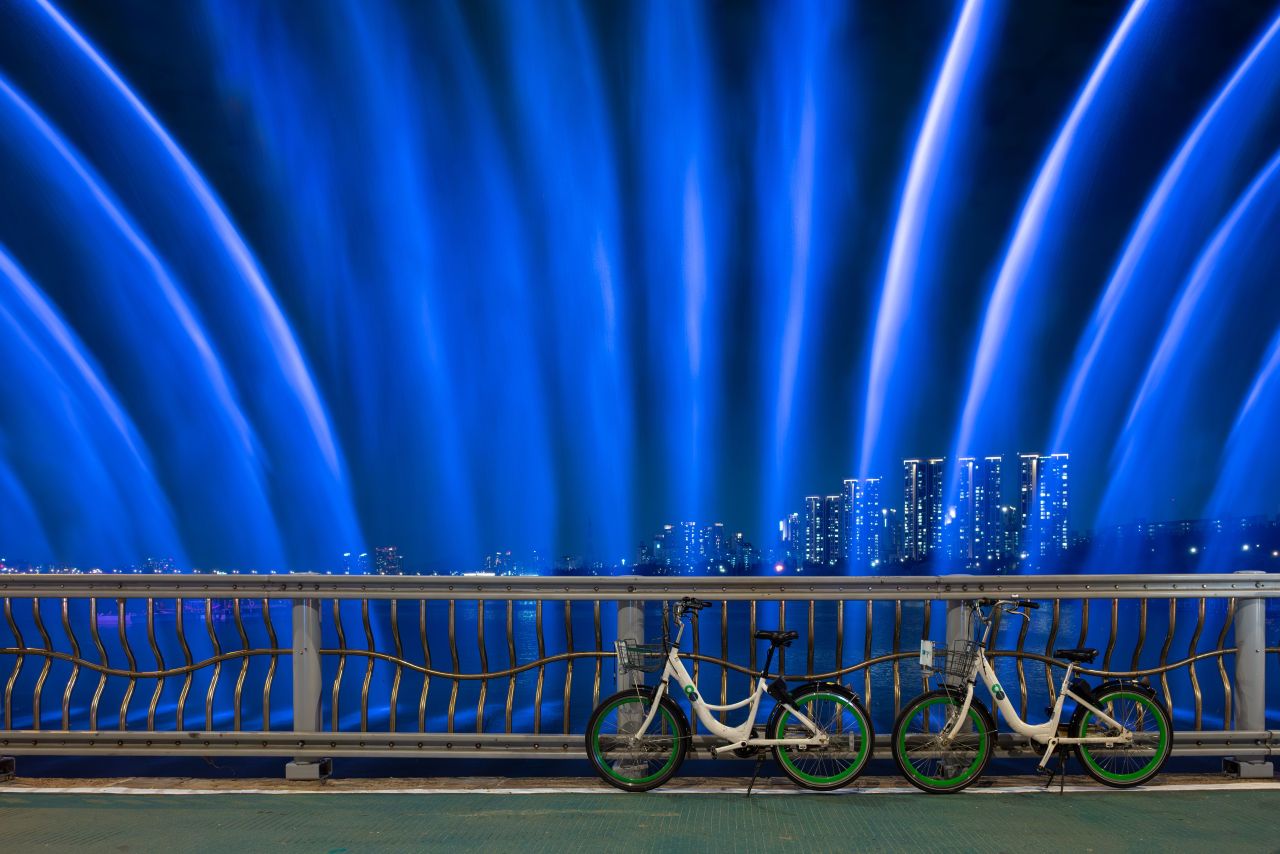
Han River Park is the default answer for where to ride Ttareungyi in Seoul, and for good reason: it has continuous, car-free paths, river views, and dense docking stations at access points like Yeouido and Banpo. Cherry blossom season, roughly late March to late April, is when these paths get genuinely crowded — expect a steady stream of riders and walkers sharing the same lane around midday on weekends, so early morning or weekday rides are noticeably calmer. Yeouido Hangang Park is the most social stretch, with food trucks and open lawns near the docks, while Banpo’s path runs past the Banpo Bridge Moonlight Rainbow Fountain, making an evening ride there worth timing around sunset for the light show.
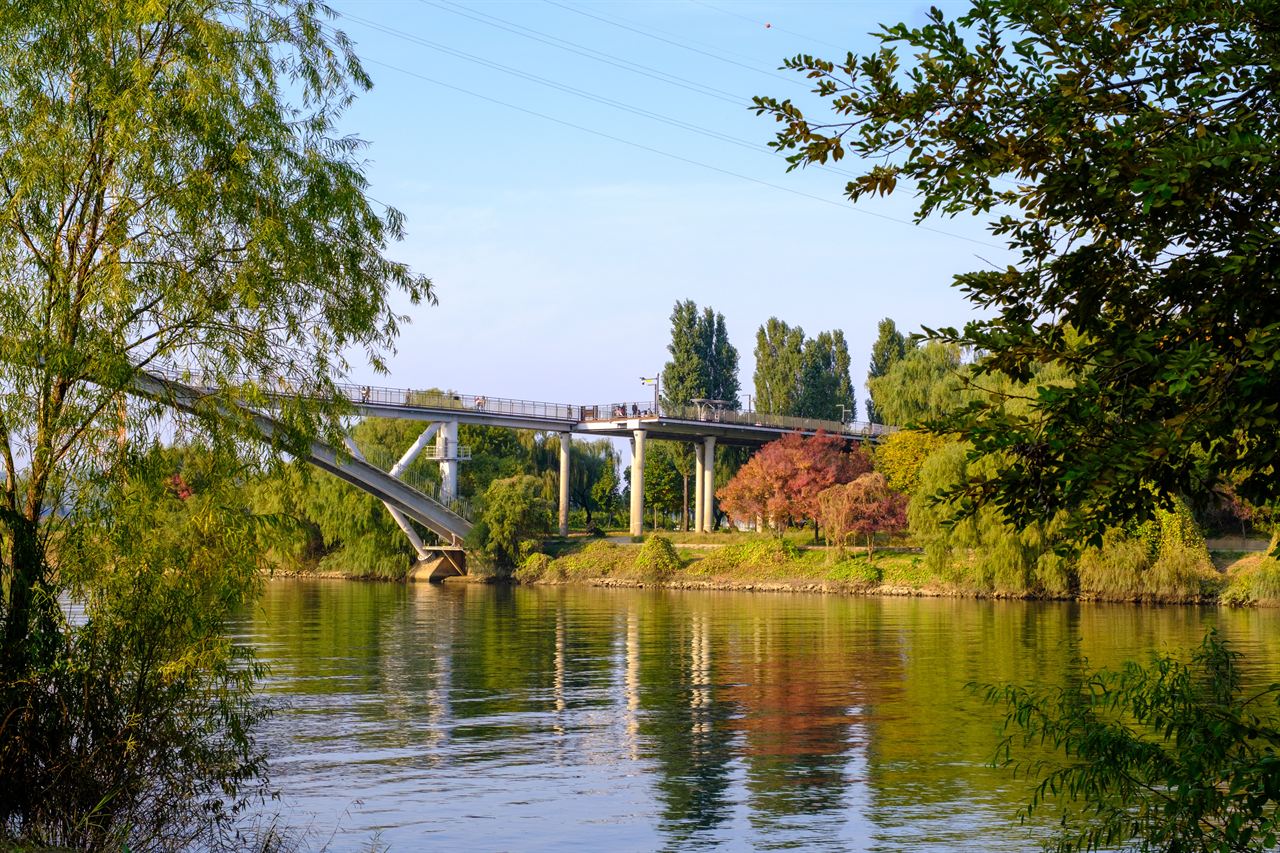
If the main Han River stretch feels too packed, worth considering is crossing further out to Guri Han River Citizen Park (구리한강시민공원) in Gyeonggi-do, a less touristed riverside park connected to the Seoul bike path network via the same trail system — a good option if you want river scenery without the density of central Seoul crowds. (Google Maps) For navigating between stations and finding bike-friendly streets off the river path, Naver Map or KakaoMap work far better than Google Maps in Korea, since Google’s turn-by-turn directions are limited here — I’d load one of those apps before you set out rather than relying on Google Maps mid-ride.
Data Privacy: What to Know About the 2024 Ttareungyi Breach
The Ttareungyi app suffered a security breach in June 2024 that leaked personal information for approximately 4.62 million users, and it’s worth being aware of before you register an account, even as a short-term visitor. The leak reportedly involved account and personal data tied to app registrations rather than payment card numbers directly, but the practical takeaway for travelers is straightforward: use a unique password you don’t reuse elsewhere, avoid linking unnecessary personal details beyond what’s required for the “Foreigner” signup flow, and keep an eye on official Seoul Metropolitan Government or Seoul Bike channels for security updates if you plan to keep the app installed after your trip. For a short visit, this isn’t a reason to avoid Ttareungyi — the system remains safe to ride and cheap to use — but it’s a reason to treat the account like any other app holding personal data, not to skip basic password hygiene just because it’s a bike rental.
Common Mistakes First-Timers Make with Ttareungyi
Most Ttareungyi problems for first-timers trace back to skipping the return confirmation step, not the rental itself. Docking the bike and pulling the lever down feels like the finish line, but if you walk away without checking for the confirmation notification, the app has no record that your ride ended — so it keeps billing overtime at about ₩200 per 5 minutes, and you won’t notice until you check your payment history later. The fix is simple: always wait those extra ten seconds for the notification before walking away from the dock.
A second common mistake is assuming any foreign credit card will work on the first try. The “Foreigner” option exists specifically because most Korean payment gateways aren’t built for international cards, but even within that option, failure rates are high enough that travelers often need a second attempt — treating the first payment attempt as final and giving up too early means missing out on the cheapest transit option in the city.
Third, riders often don’t realize that a “broken bike” complaint has a time window: if a bike is damaged or won’t unlock properly, report it and return it within 5 minutes to get a free re-rental instead of eating the cost of a wasted pass. If unlocking specifically fails, try toggling the physical lock up and down and restarting your phone’s Bluetooth before assuming the bike itself is faulty — connectivity, not hardware, is the more common culprit.
Finally, don’t confuse Ttareungyi’s per-ride time limit with your 24-hour pass validity. A 1-hour pass lets you take multiple rides across a full day, but each individual ride still has to stay under 60 minutes — riders who assume the “24 hours” applies to a single continuous ride get hit with overtime charges on the Han River loop, which easily takes over an hour at a leisurely pace.
Frequently Asked Questions
Do I need a Korean phone number or credit card to use Ttareungyi?
No — the Seoul Bike app has a dedicated “Foreigner” option that accepts overseas-issued Visa, Mastercard, JCB, and some UnionPay and Discover cards without requiring a Korean phone number for basic pass purchases. Payment success isn’t guaranteed on the first try, so be ready to retry if your card is rejected.
Is a helmet required to ride Ttareungyi?
Legally, a helmet is required for all cyclists in Korea, though enforcement is minimal in practice. None are provided at Ttareungyi stations, so bring your own — given Seoul’s mixed traffic near some docking stations, wearing one is a reasonable precaution.
Can I rent a Ttareungyi bike at night or early in the morning?
Yes, Ttareungyi bikes and stations are available 24 hours a day, so you can rent and return at any hour. Just note that fewer bikes may be available at popular stations during off-peak restocking windows late at night or very early in the morning.
Can tourists use the Climate Card for Ttareungyi without an ARC?
It’s difficult — registering a Climate Card for Ttareungyi rides has generally required a Korean phone number, which most short-term tourists without an Alien Registration Card don’t have. If you’re visiting for just a few days, it’s usually simpler to buy single Ttareungyi passes directly through the app instead.
What happens if I don’t return the bike properly?
If you don’t fully pull the lock lever down and confirm the return notification, the system may keep charging you overtime fees of about ₩200 per 5 minutes as if the ride is still active. Always double-check for the confirmation message before walking away from the docking station.
In Conclusion
Renting a Ttareungyi bike in Seoul comes down to three habits: set up the “Foreigner” option in the Seoul Bike app (and retry if your first payment attempt fails), pick the right pass for how long you’ll actually be riding, and always confirm your return before walking away from the dock. At about ₩1,000 for an hour or ₩5,000 for a full day, it’s one of the cheapest ways to move around Seoul, and it turns the Han River — plus quieter alternatives like Guri Han River Citizen Park — into genuinely rideable terrain instead of just a view from a bridge. Keep mobile data and Bluetooth on, skip the VPN while unlocking, and use a unique password given the 2024 data breach history. Get those basics right and Ttareungyi becomes one of the smoothest, most affordable parts of a Seoul itinerary rather than an app-troubleshooting headache.
Discover more from Korea Visiting
Subscribe to get the latest posts sent to your email.