The Jeju Olle Walking Festival 2026 runs for three days along two specific coastal trails, Route 19 and Route 20, and the itinerary below is built to match that exact layout rather than a generic island tour. This is a working plan: where to start each morning, how far you’ll realistically cover, how to get between checkpoints, and where to eat and sleep along the way. I’ve paced it around the festival’s own rhythm — walkers move between roughly 08:00 and 16:00, and the crowd thins noticeably after each day’s midpoint checkpoint, once the food booths have been picked over. If you’ve never walked an Olle trail before, the biggest adjustment is speed: this isn’t a hike you rush, and the schedule below assumes a comfortable 3km-per-hour pace with real stops, not a race to the finish flag.
Key Takeaways
- The 2026 festival runs Thursday, November 5 to Saturday, November 7, 2026, covering Route 19 and Route 20 in Jeju’s northeast.
- Main venue is Jocheon Mansae Statue in Jocheon-eup; festival hours run about 08:00–16:00 each day.
- Pre-registration (online, discounted) opens July 8 and closes October 9, 2026 — on-site registration may cost more.
- Budget about ₩30,000 for general admission. In 2025, meal tickets were ₩10,000 and shuttle tickets ₩4,000 one-way (prepaid in the Olle Pass app only); the paper Olle Passport is ₩20,000 if you want stamps.
- A light day pack, with a luggage-transfer service for anything bigger, is the easiest way to walk 15+ km comfortably.
Day 1 — Jeju Olle Walking Festival 2026 Itinerary Begins at Jocheon
Day one centers on the opening ceremony and the first stretch of Route 19, starting from the Jeju Olle festival’s main venue at the Jocheon Mansae Statue in Jocheon-eup. Arrive by around 08:00 — early arrival matters here, since parking near the statue fills up fast once the opening ceremony crowd gathers, and registration lines at the info tents move slowly in the first hour. If you’re coming from Jeju International Airport, a taxi is the quickest option (check the fare estimate in Kakao T), or you can take the public bus, which usually means a transfer.
After the opening ceremony and passport stamping at the Jocheon Mansae Statue (Naver Map / Google Maps), set out along the first coastal leg of Route 19. Expect a slow first kilometer as the crowd bunches up leaving the plaza — this is normal and clears within 20–30 minutes once walkers spread along the coast path. Plan on 3–4 hours of walking with stops for photos and food-booth browsing, which puts you at the midpoint checkpoint around midday. Past festival days have covered roughly 11–16.5 km, so treat that as your realistic ceiling rather than a target to beat.
For lunch, skip the temptation to eat right at the start — the queues at the opening-day booths near the statue are the longest of the whole festival. Food booths further along the route, run by village residents, tend to have shorter waits and the same haemul pajeon (seafood pancake) and local produce dishes. In the afternoon, continue the second half of the day’s segment at an easier pace; if your legs are done by mid-afternoon, the festival shuttle bus (₩4,000 one-way in 2025, booked in advance in the Olle Pass app) is the practical exit rather than pushing to finish on foot. Base yourself for the night in Jocheon or nearby Jeju City, where guesthouse and pension options are easiest to find on short notice.

Day 2 — Route 19 Into Route 20 via Kimnyeong
Day two picks up where day one’s shuttle dropped you and covers a segment of both Route 19 and Route 20 in the regular direction. Get back to yesterday’s endpoint early — by 08:30 if possible — since the trail here narrows in places and a later start means walking in a denser pack of other festival participants, which slows everyone’s pace on the coastal boardwalk sections.
This segment includes some of the walk’s more exposed cliffside paths, where wind off the sea can be stronger than it looks from a sheltered start point; a light windbreaker earns its weight here even on a mild November day. Budget another 3–4 hours of walking, aiming to reach the Route 19/20 junction near Kimnyeong by early-to-mid afternoon. This is also where most walkers pick up their midpoint stamp, and it’s a good spot to reassess: if you’re behind pace, this is the natural place to call it for the day rather than rushing the final kilometers.
Lunch options along this stretch lean toward black pork dishes and grilled seafood at village-run booths — order early if a booth looks busy, since the popular stalls sell out of their day’s portions by early afternoon rather than running until close. For the night, guesthouses and pensions cluster around Gujwa-eup and Hamdeok; search online for same-day availability, or call ahead to lock in a room before you arrive. If you’re carrying more than a day pack, this is the point where a paid luggage-transfer service pays for itself on the cliffside sections.
Day 3 — Route 20 in Reverse to Jeju Batdam Theme Park
Day three covers Jeju Olle Trail Route 20 in reverse direction, a roughly 12.9 km walk from Jeju Haenyeo Anti-Japanese Movement Memorial Park to Jeju Batdam Theme Park, and it’s the day I’d build the most slack into. Start from the memorial park, which sits beside the Jeju Haenyeo Museum in Gujwa-eup, ideally by 08:00 — starting late risks missing the recommended 4 PM finish window at the closing point, since festival hours end at 16:00.
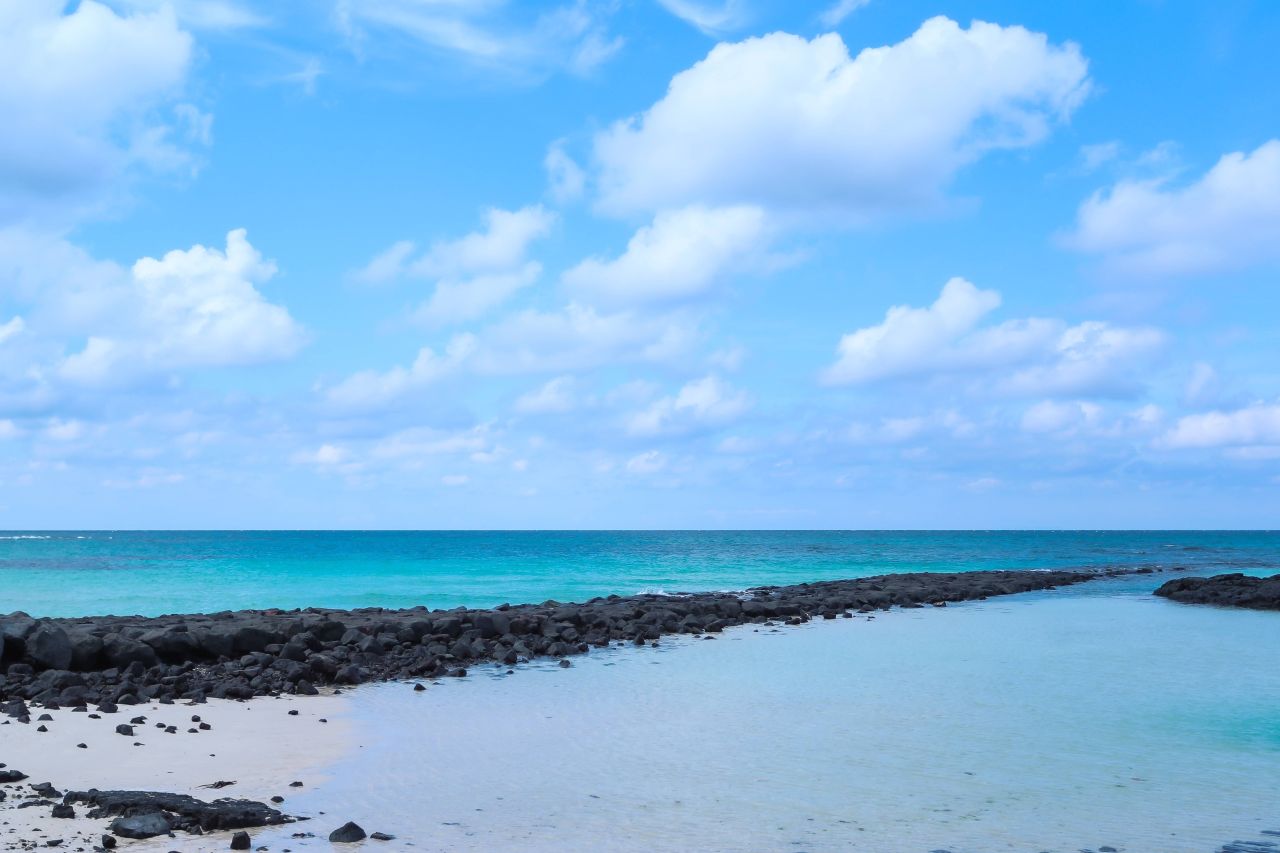
Route 20 trades day two’s exposed cliffs for a gentler mix of sea views and green fields, with the sound of waves running alongside much of the path — a noticeably calmer stretch than the windier sections further south. Walk the first half toward the midpoint at a steady pace, stopping for the passport stamp and a food-booth lunch; portions here run smaller by design, since it’s meant to fuel the second half rather than slow you down. The final stretch into the Jeju Batdam Theme Park area is flatter and faster than the morning’s terrain, which helps if you’re running behind schedule.
Aim to reach the closing point by mid-afternoon, well ahead of the 4 PM arrival guideline. The closing ceremony area is also where most walkers cash in their final stamp and collect any festival souvenirs tied to passport completion. From here, a taxi or public bus gets you back toward Jeju City or the airport — the festival shuttle doesn’t run to Jeju City or Seogwipo, and buses usually mean a transfer. If you’re flying out the same evening, build in at least a 2-hour buffer between finishing the walk and your flight, since Jeju International Airport’s domestic check-in typically closes around 30 minutes before departure and you’ll want time to change out of trail clothes.
Getting Around & Practical Tips
The single most useful practical decision for this festival is registering online before October 9, 2026 — it’s cheaper, guarantees your spot, and avoids the on-site line entirely. Pre-registration for the 2026 Jeju Olle Walking Festival opens July 8 and closes October 9, 2026, through the Olle Pass mobile app or Event-us. General admission is about ₩30,000 online (₩25,000 discounted for those born 2008/2010 or later, groups of 20+, or persons with disabilities and national merit holders); on-site registration, where available, runs higher — around ₩35,000.
What to Pre-Book Before You Arrive
In 2025, meal tickets were ₩10,000 per person and shuttle bus tickets ₩4,000 one-way (free for elementary schoolchildren), and both were sold only in advance through the Olle Pass app — not at the festival site. Check the app for 2026 prices and book them together with your registration. If you want the paper Olle Passport for stamp-collecting (₩20,000), buy it at a Jeju Olle Travelers Center (Google Maps) before day one.
How to Get to the Festival from Jeju Airport
From Jeju International Airport (Naver Map / Google Maps), the domestic and intercity bus stop is right outside Gate 2, and taxis queue across the crosswalk past Gate 3. Jeju’s public bus network reaches most trailheads, but it’s built around a hub-and-spoke pattern rather than a direct coastal line, so a bus trip to the northeast trailheads from the airport often means one transfer and an hour or more. KakaoTaxi is the practical fallback, especially returning from a trailhead after sunset when bus frequency drops.
Best Time to Walk and How to Pace It
Early November sits at the tail end of Jeju’s autumn walking season (roughly September through November), which is one of the two best windows for hiking here alongside spring — mild temperatures, lower humidity, and none of summer’s typhoon risk. Pace-wise, the standard reference is that an average Olle walker covers about 3km an hour with normal rest stops; use that number to sanity-check any day’s distance against how many daylight hours you actually have, rather than assuming you’ll move faster because it’s a festival.
What People Get Wrong About This Festival
The most common mistake is treating festival days like a casual walk you can start whenever — arriving after 09:00 means starting behind the bulk of the crowd, and on the narrower cliffside sections of the route that translates into real bottlenecks, not just a busier vibe. A second mistake is skipping online pre-registration and assuming on-site sign-up will be just as easy: on-site slots may be limited, so showing up unregistered is a gamble. Third, walkers routinely underestimate luggage — carrying a full suitcase “just for one night” on a 15+ km coastal trail is a common regret by the midpoint checkpoint, and a luggage-transfer service is cheap compared to hobbling through the afternoon segment. Finally, some first-timers assume the whole day’s route must be walked start to finish on foot; the shuttle bus exists precisely so you can bail out at any checkpoint without losing your festival day, and using it isn’t cheating — it’s how most repeat participants actually manage a 3-day event.
Frequently Asked Questions
How much does it cost to join the Jeju Olle Walking Festival 2026?
General online admission is about ₩30,000, with a discounted rate of about ₩25,000 for eligible groups (youth born 2008/2010 or later, groups of 20+, or persons with disabilities/national merit). On-site registration is higher, around ₩35,000, and may be capacity-limited.
Do I have to walk all of Route 19 and Route 20 each day?
No — the festival is set up so you can use the shuttle bus or exit at any checkpoint if you’re behind pace or tired. Past festivals have covered roughly 11–16.5 km per day, and most participants adjust their distance rather than forcing a full finish.
Is pre-registration required for the 2026 festival?
It isn’t strictly required, but it’s strongly recommended: pre-registration runs July 8 to October 9, 2026 online via the Olle Pass app or Event-us, and it’s cheaper and guaranteed compared to the capacity-limited on-site option.
How do I get from Jeju Airport to the festival’s main venue?
From Jeju International Airport, a taxi to the main venue at Jocheon Mansae Statue is the quickest option; by public bus you’ll usually need a transfer. KakaoTaxi is the easiest option if you’re arriving early or returning after dark.
What should I pack for a 3-day Olle festival walk?
Pack light with a day pack, a windproof layer for exposed coastal stretches, comfortable broken-in walking shoes, and some cash for food booths (shuttle tickets are prepaid in the Olle Pass app). If you’re staying overnight along the route, use a luggage-transfer service instead of carrying a full bag on the trail.
In Conclusion
A workable Jeju Olle Walking Festival 2026 itinerary comes down to matching your pace to the festival’s own structure — Route 19 on day one, Route 19 into Route 20 on day two, and Route 20 in reverse on day three — rather than trying to outwalk the schedule. Register online before October 9, 2026 to lock in the lower fee and a guaranteed spot, prepay your meal and shuttle tickets in the Olle Pass app, since they aren’t sold on site, and use the luggage-transfer service if you’re carrying more than a day pack. Treat the shuttle bus as part of the plan, not a fallback, and build a buffer before any same-day flight. Walked this way, three days on Jeju’s northeastern coast feels like a steady, well-paced trip rather than a race against the closing ceremony clock.
Discover more from Korea Visiting
Subscribe to get the latest posts sent to your email.