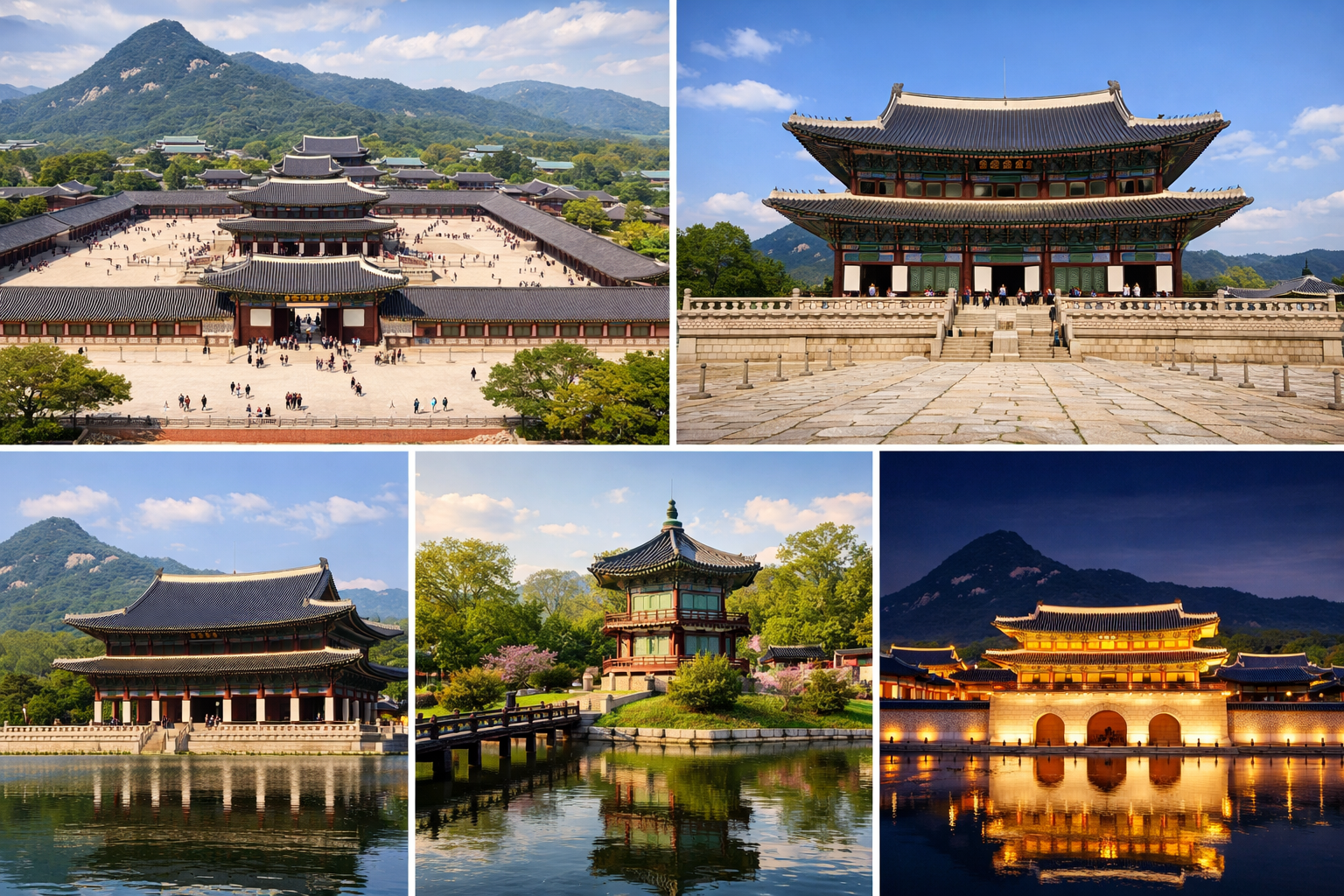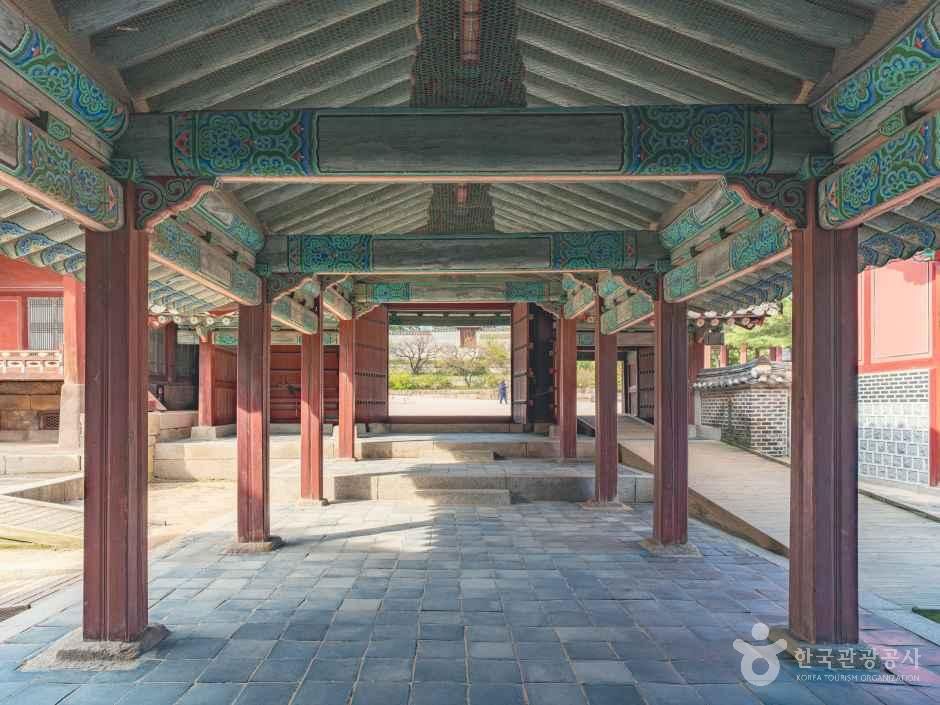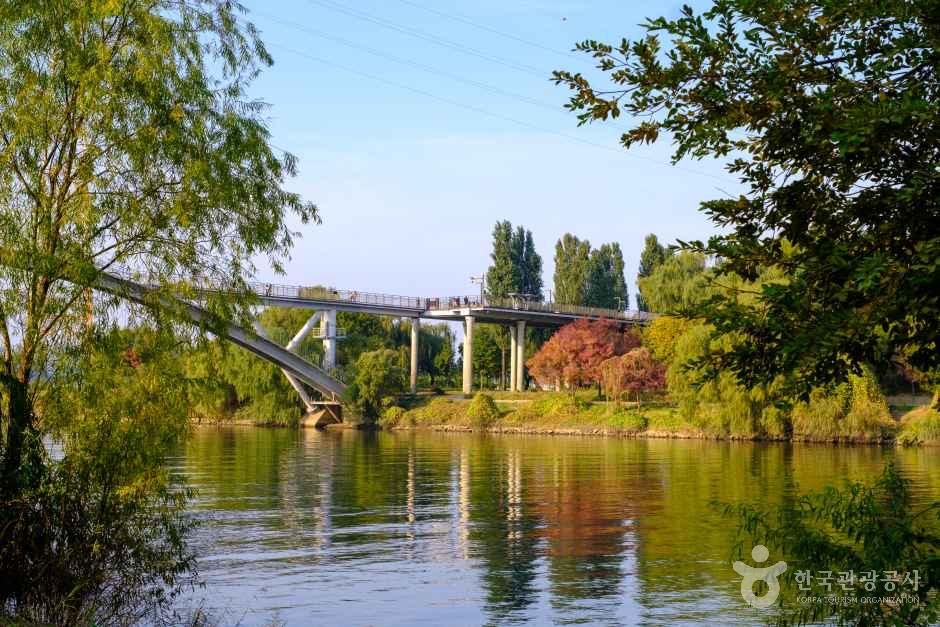
If you’re piecing together a Jongmyo Shrine visitor guide before heading to Jongno 3-ga Station, you’ve probably already hit a confusing detail: you can’t just walk in whenever you want. Unlike Gyeongbokgung or Changdeokgung, this UNESCO World Heritage shrine restricts most weekday visits to a fixed-time guided tour, and showing up at the wrong hour — or on the wrong day — means either waiting for the next tour slot or being turned away entirely if you arrive on a Tuesday. Add in the separate rules for weekends, the Culture Day exception, and a ticket system that overlaps with four other royal palaces, and it’s easy to see why first-time visitors end up confused at the entrance gate. This guide breaks down exactly how the timed tours work, what admission actually costs, when free self-guided walking is allowed, and which time slots let you experience the shrine’s famously quiet atmosphere without a crowd trailing behind you.
Key Takeaways
- Jongmyo Shrine requires a guided tour on Monday, Wednesday, Thursday, and Friday — English tours run at 10:00, 12:00, 14:00, and 16:00, each about one hour.
- Free self-guided walking is allowed on Saturdays, Sundays, national holidays, and Culture Day (the last Wednesday of each month).
- Standard admission is 1,000 KRW for adults and 500 KRW for youth; entry is free for children under 7, seniors 65+, hanbok wearers, and on Culture Day.
- The Royal Palace Pass (10,000 KRW for adults) covers Jongmyo plus four palaces and stays valid for three months.
- Jongno 3-ga Station (Lines 1, 3, and 5) sits about a five-minute walk from the entrance.
📍 Jongmyo Shrine [UNESCO World Heritage] (종묘 [유네스코 세계유산]) — Essential Information
| Address | 157 Jong-ro, Jongno-gu, Seoul |
| Opening hours | February-May, September-October 09:00-18:00June-August 09:00-18:30November-January 09:00-17:30* Last admission 1 hour before closing |
| Closed | Tuesdays (Closed the next business day if Tuesday is a holiday) |
| Parking | Available |
| Website | royal.khs.go.kr |
| Map | Google Maps · Naver Map |
Jongmyo Shrine at a Glance
- Why visit: Jongmyo is the royal ancestral shrine of the Joseon Dynasty, where the spirit tablets of kings and queens were enshrined — it’s one of the most solemn and historically important sites in Seoul, not just another palace stop.
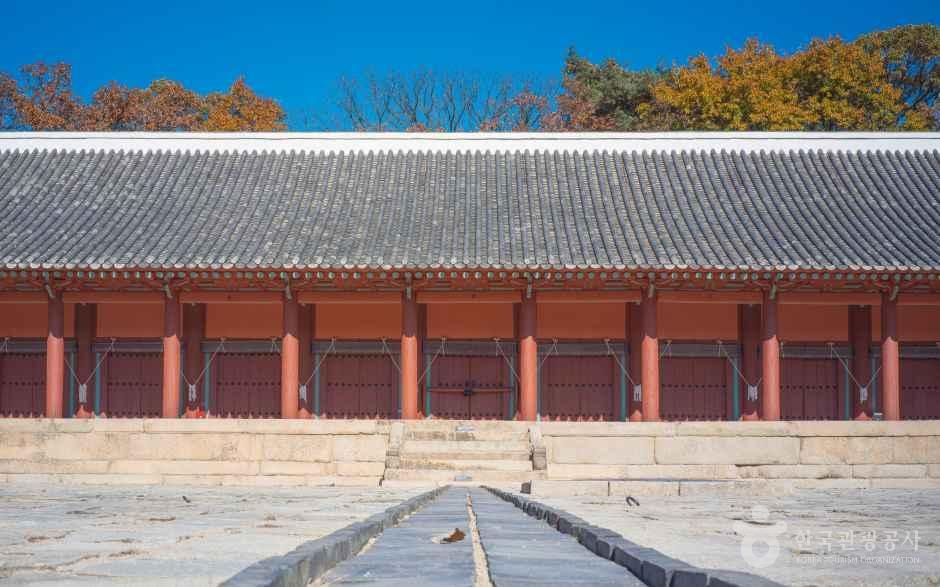
- What you’ll see and experience: Long stone-paved processional paths, the strikingly minimalist Jeongjeon Hall (the longest wooden building of its kind in Korea), and Yeongnyeongjeon Hall, all set within quiet, tree-lined grounds that feel deliberately restrained rather than ornate.
- Getting there: Exit Jongno 3-ga Station and walk roughly five minutes; the entrance sits just off the main road, an easy detour whether you’re arriving by subway or bus.
- Tickets and admission: 1,000 KRW for adults, 500 KRW for youth, free for children under 7 and seniors over 65; the Royal Palace Pass bundles entry with four other palaces for 10,000 KRW.
- Tips from past visitors: Book your mindset around the fixed tour times rather than fighting them — visitors consistently note the guided commentary adds real historical context you’d otherwise miss walking through in silence.
- Nearby spots worth combining: Gyeongbokgung, Changdeokgung, Changgyeonggung, and Deoksugung palaces (all covered by the Royal Palace Pass), plus the Seosulla-gil stonewall path just west of the shrine for a casual coffee or ramen stop afterward.

Jongmyo Shrine Visitor Guide: How the Mandatory Weekday Guided Tours Work
On Monday, Wednesday, Thursday, and Friday, the only way to enter Jongmyo Shrine is by joining a scheduled guided tour, and this single rule shapes almost every other decision a first-time visitor needs to make. English-language tours depart at 10:00, 12:00, 14:00, and 16:00, each lasting approximately one hour, with Korean-language tours typically filling the gaps between those slots. This isn’t a soft recommendation — ticket staff will not sell same-day free-roam access on these four weekdays, so arriving between tour departures usually means waiting, sometimes close to two hours, for the next available group.
The upside is that the guided format actually suits Jongmyo better than a self-guided walk would. Because the shrine’s architecture is intentionally plain — long horizontal lines, minimal color, no elaborate roof carvings — its significance isn’t always obvious at a glance. The guide explains why the buildings were built this way, what the Jongmyo Jaerye ancestral rite (held every May and November) involves, and why this site, rather than any palace, was considered the most sacred place in the Joseon kingdom. Travelers who’ve done both note that skipping the tour on a weekday visit means missing most of the context that makes the site meaningful, since there’s no posted signage inside filling that gap.
Practically, this means weekday visitors should plan their entire Jongmyo stop around a tour departure time rather than treating it as a flexible drop-in. If you’re combining it with Gyeongbokgung or Changgyeonggung in a single day, slot Jongmyo in first thing at the 10:00 tour, then move on to a palace afterward where entry stays flexible all day.
Jongmyo Shrine Ticket Prices and the Royal Palace Pass
Admission to Jongmyo Shrine costs 1,000 KRW for adults aged 19–64 and 500 KRW for youth aged 7–18, with free entry for children under 7, seniors 65 and older, anyone wearing hanbok, and all visitors on Culture Day. These prices apply whether you’re joining a mandatory weekday tour or walking in freely on a weekend, so the guided-tour requirement adds no extra cost — you’re paying the same modest fee either way.
For travelers planning to see multiple royal sites, the Royal Palace Pass is worth buying at the entrance rather than paying separately at each stop. It costs 10,000 KRW for adults and 5,000 KRW for children, stays valid for three months from purchase, and covers Jongmyo Shrine plus Gyeongbokgung Palace, Changdeokgung, Changgyeonggung Palace, and Deoksugung Palace. If you’re visiting even two of these five sites during your trip, the pass pays for itself, and the three-month window means you don’t have to squeeze every palace into one hectic day — you could see Jongmyo and Changgyeonggung this week and save Gyeongbokgung for a later visit.
One detail worth double-checking before you go: wearing hanbok grants free entry not just at Jongmyo but typically at the palaces on the same pass network, so travelers renting hanbok nearby can factor that savings into their day.
Free-Walk Saturdays, Sundays and Culture Day: When You Can Explore on Your Own
Saturdays, Sundays, national holidays, and the last Wednesday of every month (Culture Day) are the only times you can walk through Jongmyo Shrine at your own pace without joining a scheduled tour. This is the single biggest scheduling factor for anyone trying to avoid the fixed weekday tour times, and it’s worth building your Seoul itinerary around if a leisurely, unhurried shrine visit matters more to you than the guided commentary.
On these free-walk days, English-language tours are also offered on Sundays and Culture Day, and sometimes on Saturdays and public holidays, but a QR code posted near the entrance links to an audio guide, which is the practical workaround for English-speaking visitors who still want context without waiting for a group tour. Scanning it before you start walking and pairing it with the printed or posted route map lets you move through the Jeongjeon and Yeongnyeongjeon halls at your own speed while still picking up the historical background a live guide would normally provide.
Culture Day — the last Wednesday of each month — is a particularly good target if your trip dates are flexible, since it combines free admission with free-walk access on what would otherwise be a mandatory-tour weekday. Just note that Culture Day tends to draw larger domestic crowds precisely because of the free entry, so it’s less useful if your priority is a quiet, uncrowded visit rather than saving on the ticket price.
How to Get to Jongmyo Shrine from Jongno 3-ga Station
Jongmyo Shrine sits about a five-minute walk from Jongno 3-ga Station, making it one of the more straightforward palace-area sites to reach without transfers or long walks from the subway exit. If you’re arriving via Line 1, Line 3, or Line 5, use Exit 11, which puts you within a short, flat walk of the entrance gate. Naver Map and Google Maps both show this route clearly if you’d rather navigate live than memorize an exit number.
For travelers relying on buses, numerous routes stop at the Jongno 4-ga bus stop nearby, which works as an alternative if you’re already on a bus route that doesn’t pass directly by the subway station. Since the area around Jongno 3-ga is dense with signage in Korean, having a map app open as you walk from the exit is more reliable than following posted directions alone, particularly on your first visit.
Because Jongmyo, Gyeongbokgung, and Changgyeonggung all sit within the same general downtown corridor, it’s worth noting that none of them are within comfortable walking distance of each other despite appearing close on a subway map — plan a short subway hop or taxi ride between sites rather than assuming you can walk the whole loop in one stretch.
Least Crowded Time Slots at Jongmyo Shrine
The quietest way to experience Jongmyo Shrine is to take either the first English tour at 10:00 on a weekday or to visit during the late afternoon on a free-walk weekend, both of which consistently see thinner crowds than the midday slots. On tour days, the 10:00 and 16:00 departures tend to draw smaller groups than the 12:00 and 14:00 slots, which overlap with the busiest tourist hours and often fill closest to capacity first. Arriving for the opening tour also means you’re moving through the grounds before the day’s heat or crowds build up, which matters more here than at open-air palaces since the shrine’s shaded paths can feel closed-in when a large tour group is packed together.
On Saturdays and Sundays, when free-walk access is available, the window right after opening and again in the late afternoon before closing tend to be noticeably calmer than midday. Weekend mornings often see a rush of visitors who scheduled Jongmyo as their first stop of the day, while the hour or two before last admission — roughly an hour before closing based on the posted schedule — sees a natural drop-off as most visitors have already moved on to lunch or their next destination. If a serene, uncrowded atmosphere is your priority over efficiency, a late Saturday or Sunday afternoon visit is generally the best combination of free movement and low foot traffic.
Culture Day, despite offering free entry, is not a good choice if avoiding crowds is your goal — the fee waiver draws a noticeably larger domestic crowd than a typical weekend.
What to See Inside: Jeongjeon, Yeongnyeongjeon and the Sacred Path
The two structures every visitor should slow down for are Jeongjeon Hall, the shrine’s principal building and the longest traditional wooden structure in Korea, and Yeongnyeongjeon Hall, a slightly smaller and quieter hall built to house additional royal spirit tablets. Both buildings deliberately avoid the vivid colors and elaborate roof brackets seen at Gyeongbokgung or Changdeokgung — the restraint is the point, reflecting Confucian principles of solemnity and respect rather than royal display. First-time visitors expecting palace-level grandeur are often surprised by how plain the halls look at first glance, but this stripped-down aesthetic is exactly what makes Jongmyo distinct on Korea’s UNESCO list.
Between the halls, take time to notice the raised stone path running down the center of the main approach — this is the sacred path once reserved for spirits rather than the living, and visitors are traditionally asked to walk beside it rather than directly on it. It’s a small detail, but it’s the kind of context a guided tour explains clearly and a rushed self-guided walk can easily miss.
Autumn is when Jongmyo’s grounds are at their most photogenic, with fall foliage lining the long stone courtyards in front of Jeongjeon, though the shrine’s appeal isn’t really about visual spectacle in any season — it’s the atmosphere. Compared to the bustling palace complexes nearby, Jongmyo stays noticeably quiet even mid-tour, and that hush is arguably the main reason repeat visitors rank it above busier attractions once they’ve already seen the more famous palaces.
Pairing Jongmyo Shrine with Nearby Palaces and Seosulla-gil
Jongmyo works best as part of a half-day loop with nearby royal sites rather than a standalone stop, since the Royal Palace Pass already covers the admission and the sites sit within a reasonably short subway or taxi ride of each other. Gyeongbokgung Palace pairs naturally if you want the grandest, most photographed palace experience, while Changgyeonggung Palace offers a calmer garden-palace atmosphere that feels closer in tone to Jongmyo than Gyeongbokgung does. Deoksugung Palace, further south near City Hall, is worth adding if you’re staying downtown and want to catch its stone-wall garden and Western-style Seokjojeon Hall on the same pass.
Right after leaving the shrine, the street immediately to the west — known locally as Seosulla-gil or Stonewall Path — offers a low-key contrast to the shrine’s solemn atmosphere, lined with small cafes and bars tucked along a quiet stone wall. It’s a good spot to decompress after the tour rather than rushing straight to the next palace. If you’re hungry, Ramen Bordo on Seosulla-gil is a well-known casual stop for Japanese-style ramen in the immediate area — you can find it on Naver Map or Google Maps. Beyond that, the wider Jongno 3-ga neighborhood — known for gold and jewelry shops, funky back alleys, trendy Ikseon-dong, and outdoor pocha tents in the evening — makes a fitting way to close out the day after a morning spent among the palaces.
Frequently Asked Questions
Is Jongmyo Shrine worth visiting if I’ve already seen Gyeongbokgung Palace?
Yes — Jongmyo offers a fundamentally different experience than any palace, focused on solemn ritual space rather than royal residence or governance. Visitors who’ve already toured Gyeongbokgung consistently note that Jongmyo’s quiet, restrained atmosphere and its unique guided-tour format make it feel distinct rather than repetitive.
Should I take the guided tour or wait for a free-walk day?
The guided tour is generally recommended, especially since it’s often your only entry option on weekdays and the commentary explains details — like the significance of the sacred central path — that aren’t otherwise posted on-site. If you prefer setting your own pace, plan your visit for a Saturday, Sunday, or Culture Day instead.
Can I buy tickets online in advance?
Ticketing details can change, so it’s best to purchase in person at the entrance ticket office on the day of your visit rather than relying on third-party booking pages. Arrive a little before your intended tour time to allow for the purchase process before the group departs.
Is Jongmyo Shrine included in the Royal Palace Pass?
Yes — the Royal Palace Pass (10,000 KRW adult, 5,000 KRW child) includes Jongmyo Shrine along with Gyeongbokgung, Changdeokgung, Changgyeonggung, and Deoksugung palaces, valid for three months from purchase. It’s the most cost-effective option if you plan to visit more than one of these sites.
What happens if Tuesday is a public holiday?
When the regular Tuesday closing falls on a national holiday, Jongmyo Shrine closes on the next business day instead, so the site still gets its scheduled closure — it simply shifts by a day. Always check the current calendar before finalizing a visit around a holiday week.
In Conclusion
Jongmyo Shrine rewards visitors who plan around its rules rather than fighting them. Time a weekday visit to one of the four English tour departures — ideally the 10:00 or 16:00 slot for a quieter group — or save the site for a Saturday, Sunday, or Culture Day afternoon if you’d rather walk the grounds freely with the QR audio guide. Either way, admission stays a modest 1,000 KRW, and the Royal Palace Pass makes sense the moment you’re adding even one more palace to your trip. Pair the visit with Jongno 3-ga Station’s easy access, then wind down along Seosulla-gil before continuing on to Gyeongbokgung, Changgyeonggung, or Deoksugung. Come with the schedule already mapped out, and Jongmyo becomes one of the calmest, most memorable stops in central Seoul rather than a source of entrance-gate confusion.
Discover more from Korea Visiting
Subscribe to get the latest posts sent to your email.