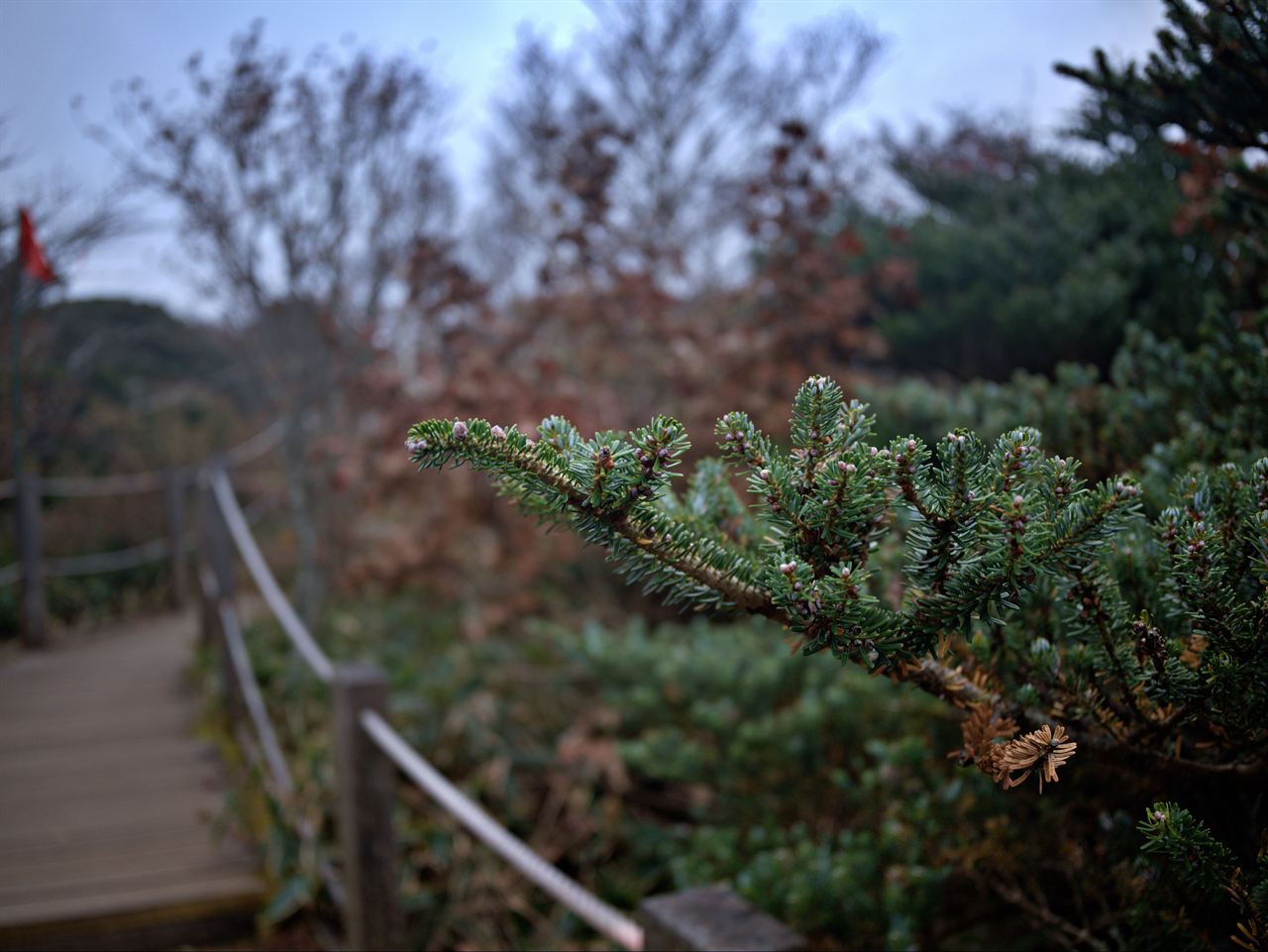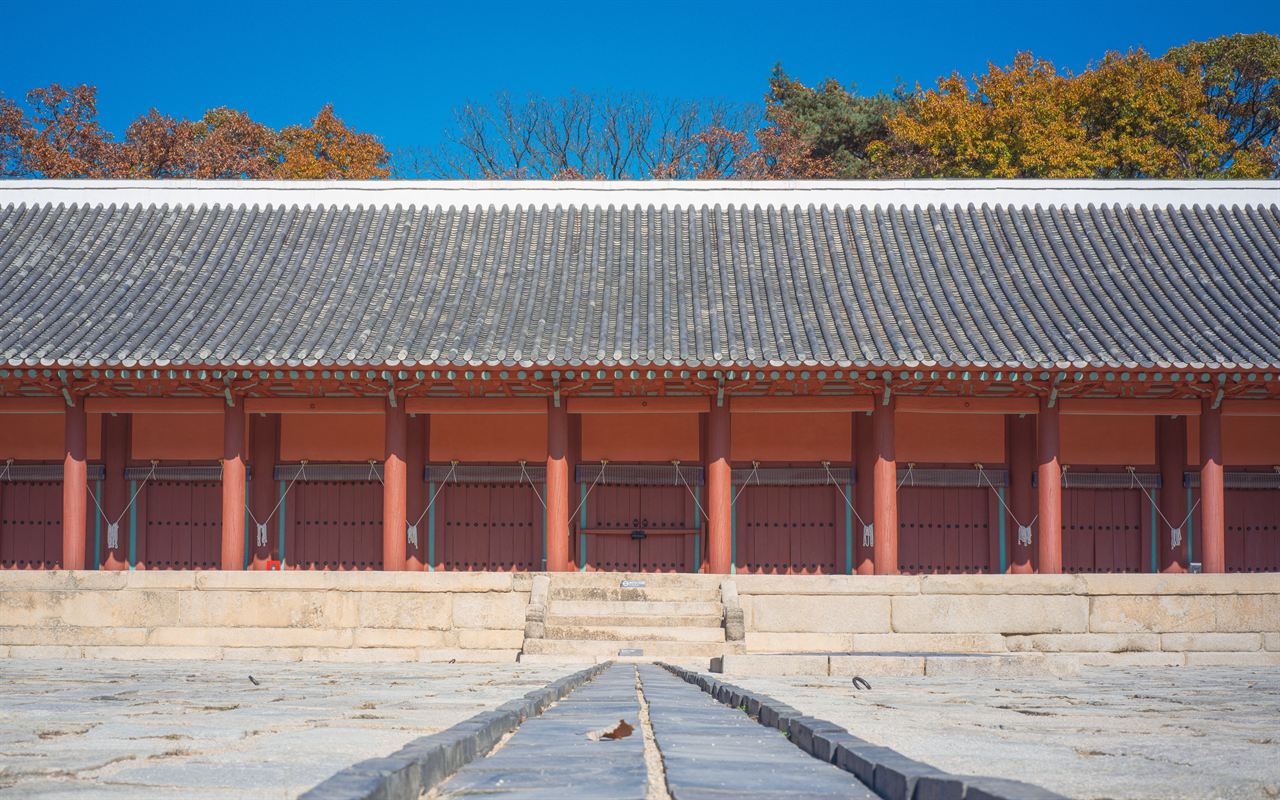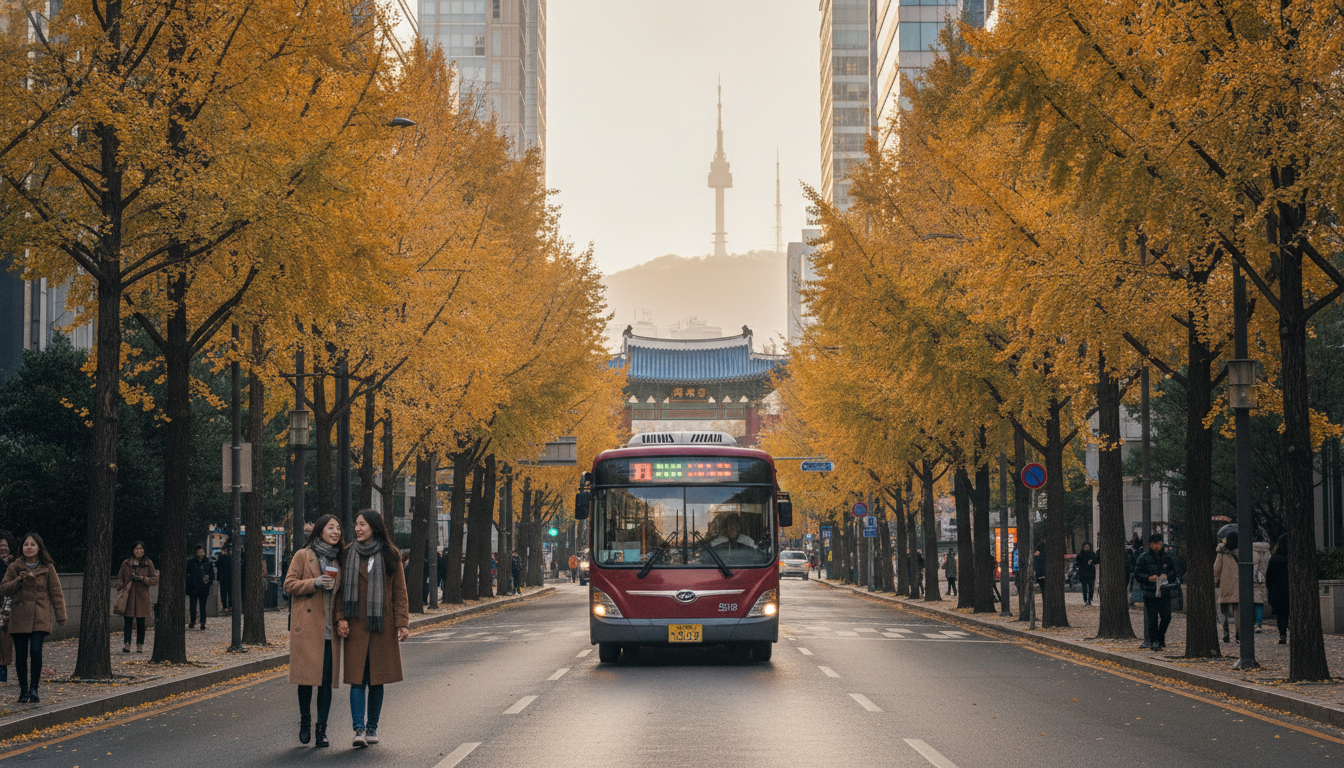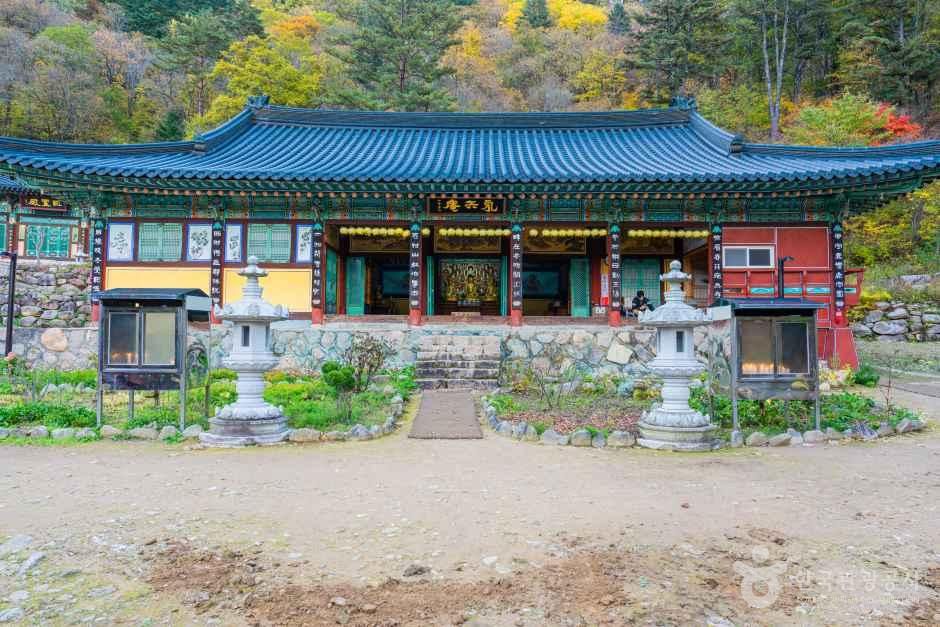
Planning around the Korea fall foliage 2026 forecast means accepting one truth upfront: peak color dates shift by up to a week depending on rainfall and early cold snaps, so no single calendar date is guaranteed. Based on how the season has tracked in recent years and the pattern the Korea Meteorological Administration (KMA) typically confirms in early September, I expect Seoraksan to turn first in late September, Seoul’s palaces and parks to peak in the last week of October through the first week of November, and Naejangsan and Jeju to hold color into mid-to-late November. That north-to-south, mountain-to-city progression is the backbone of any smart itinerary — and it’s what most forecast maps gloss over when they just hand you a date.
I’ve built this guide around what actually trips up first-time visitors: which week to book flights before knowing the exact peak, how to dodge the weekend crush at Nami Island and Gyeongbokgung, and which spots deliver postcard color without the tour-bus lines.
Key Takeaways
- Korea’s 2026 fall foliage season runs roughly late September (Seoraksan) to mid/late November (Naejangsan, Jeju), with Seoul peaking late October to early November.
- Weather can shift peak dates by about a week in either direction — treat forecasts as a guide, not a guarantee, and check real-time leaf reports in late September/October.
- Seoraksan and Bukhansan National Parks have no entrance fee; Nami Island’s ₩19,000 ticket includes the round-trip ferry.
- Weekday mornings before 10 AM at Gyeongbokgung and Nami Island cut crowds dramatically compared to weekend afternoons.
- If you can only pick one region, Seoul + Seoraksan (or Seoul + Naejangsan for a later trip) covers the full color spectrum in a manageable 3–5 day loop.
When Is Peak Fall Foliage in Korea in 2026?
Korea’s 2026 fall foliage timeline moves from north and high-elevation areas in late September to southern lowlands by mid-November, with most of the country’s popular spots — including Seoul — peaking between late October and the first week of November. The KMA typically issues its detailed autumn foliage forecast map in early September each year, and that release is worth checking before you lock in non-refundable flights, because it adjusts for that year’s actual temperature and rainfall trends rather than historical averages alone.
Here’s the rough progression I’d plan around for 2026:
- Late September – mid-October: Seoraksan National Park (Gangwon-do) — first color in Korea, especially at higher elevations like Daecheongbong.
- Mid-October: Bukhansan National Park (Seoul) starts turning, giving city-based travelers an early taste without leaving town.
- Late October: Nami Island (Gapyeong) and Hwadam Botanic Garden hit their color peak, with Nami’s metasequoia lane especially photogenic in the last third of October.
- Late October – early November: Gyeongbokgung Palace, particularly the ginkgo trees, and most of central Korea.
- Late October – mid-November: Naejangsan National Park (Jeollabuk-do) — Korea’s latest and arguably most saturated red-maple color, plus Jeju Island’s lower-elevation foliage.
If you’re locking in flights months ahead, I’d anchor a trip around the last week of October through the first week of November. That window statistically overlaps the most locations — Seoul, Gapyeong, and the early edge of Naejangsan — even if Seoraksan has already passed peak by then.
How Predictable Is the Timing, Really?
Not very, beyond the general week-to-week trend. A warm September or a delayed rainy season can push peak color back by five to ten days, and an early cold snap can compress the “peak window” from two weeks down to a long weekend before wind and rain strip the leaves. My practical rule: build in one buffer day or a flexible half-day in your itinerary, and don’t schedule your only foliage day as a day-trip with a tight train connection back.

Seoraksan National Park — Korea’s Earliest and Highest-Elevation Color
Seoraksan National Park in Gangwon-do is where Korea’s fall foliage season starts, typically coloring up from late September through mid-October as the change moves down from the 1,708-meter Daecheongbong peak to the lower trails. This is the mountain most Korean hikers themselves chase first, precisely because nowhere else in the country turns this early or this vividly at elevation.
Entrance to the park and to Sinheungsa Temple inside it has been free since a nationwide fee abolition in May 2023, which removes one line of friction compared to years past. The Seorak Cable Car is the easiest way to get elevation without a full hike — about ₩15,000 for adults and ₩11,000 for children (as of 2026), sold on-site only, so arrive early if you want a specific time slot on a clear autumn Saturday. Parking at the Sogongwon lot runs about ₩6,000 per day for passenger cars.
From Seoul, the express bus from Seoul Express Bus Terminal to Sokcho Express Bus Terminal takes about 2 hours 20 minutes to 2 hours 40 minutes and costs roughly ₩17,200 and up. From Sokcho Bus Terminal, local Bus #7 or #7-1 gets you to the park entrance in about 24–38 minutes. Given the travel time, I’d treat Seoraksan as an overnight trip rather than a rushed day trip — you lose most of a day just getting there and back, and the best light on the peak color happens early morning before tour groups arrive at the cable car queue.
Naver Map: Seoraksan National Park | Google Maps: Seoraksan National Park
Seoul’s Best Fall Foliage Spots: Gyeongbokgung and Bukhansan
Seoul’s foliage peaks later than Seoraksan’s — typically the last week of October into the first week of November — and the city’s two standout spots, Gyeongbokgung Palace and Bukhansan National Park, offer completely different experiences within a short subway ride of each other. This makes Seoul the easiest base for travelers who don’t want to commit to a multi-day trip outside the capital.
Gyeongbokgung Palace
Gyeongbokgung Palace, at 161 Sajik-ro, Jongno-gu, is Seoul’s signature fall photo location, mainly for the golden ginkgo trees that line its stone walls and inner courtyards from late October to early November. Adult admission is about ₩3,000, and it’s free if you’re wearing hanbok — a detail that explains why you’ll see so many rented hanbok groups posing against the ginkgo backdrop on any given afternoon. Get there via Subway Line 3, Gyeongbokgung Station, Exit 5.
For 2026, the palace is also running night viewing from September 2 to October 2, 7:00–9:30 PM (last entry 8:30 PM), closed Mondays and Tuesdays — worth noting that this window is earlier than peak ginkgo color, so it’s really an evening-atmosphere visit rather than a foliage visit. Foreign visitors can get same-day on-site tickets (300 available daily) from 6:30 PM at Gwanghwamun Gate with a passport, max two per person — arrive before the release time if you want this without a long wait.
My honest take: skip the palace on a weekend midday if you want photos without dozens of strangers in frame. The ginkgo trees hold their gold color for close to two weeks once they turn, so a Tuesday-through-Thursday morning visit gets you nearly the same color with a fraction of the crowd — though note Gyeongbokgung itself is closed Tuesdays, so plan for Wednesday or Thursday instead.
Bukhansan National Park
Bukhansan is Seoul’s free, no-ticket alternative for mountain-style foliage, typically peaking around mid-October — earlier than the palace — with entrance open year-round at no cost. Reach it via Subway Line 3 to Gupabal Station, Exit 1, then Bus 34, 704, or 8772 to the Bukhansanseong stop, about 17 minutes. Park hours run 4:00 AM–5:00 PM April through October and 4:00 AM–4:00 PM November through March, so plan your descent with daylight to spare — dusk falls faster on a mountain trail than it feels like it should.
Naver Map: Gyeongbokgung | Google Maps: Gyeongbokgung
Naver Map: Bukhansan National Park | Google Maps: Bukhansan National Park
Nami Island and Hwadam Botanic Garden: Day Trips from Seoul
Nami Island (in Chuncheon, Gangwon-do) and Hwadam Botanic Garden (in Gwangju, Gyeonggi-do), both easily reached via the Gapyeong area, peak in late October and are the two most Instagrammed fall foliage day trips from Seoul — but they draw very different crowds and require very different booking strategies. If you only have one day outside Seoul during peak week, this is the choice to make early.
Nami Island
Nami Island‘s famous metasequoia tree-lined path turns a deep rust-orange in late October, and the island is open daily 8:00 AM–9:00 PM. Admission is about ₩19,000 for adults, which includes the round-trip ferry — a detail that surprises first-timers who expect to pay for the ferry separately. From Seoul, take the ITX train from Yongsan or Cheongnyangni Station to Gapyeong Station (about 42–60 minutes, roughly ₩5,700 from Cheongnyangni), then either the Gapyeong City Tour Bus (about ₩8,000 for a day ticket) or a taxi to the ferry terminal. A direct shuttle from Seoul to Nami Island costs noticeably more than the train-plus-bus route, with some services priced around ₩29,430 round-trip.
What surprises most first-time visitors: the island is genuinely popular with domestic school groups and couples on weekends, so the main tree-lined path can feel like a photo queue by midday Saturday. Arriving on the first or second ferry on a weekday morning is the single best crowd-avoidance move here — the same path that’s shoulder-to-shoulder at 1 PM is nearly empty at 9 AM.
Hwadam Botanic Garden
Hwadam Botanic Garden has become a trending YouTube destination for its layered garden terraces and mountain-backdrop color, but it requires more planning than Nami Island because tickets must be purchased online in advance — there’s no on-site ticketing at all, which catches walk-up visitors off guard. Admission is about ₩11,000 for adults, ₩9,000 for seniors/teens, and ₩7,000 for children, with an optional round-trip monorail at about ₩9,000 (adults) or ₩7,000 (children). It’s open 9:00 AM–6:00 PM (last admission 5:00 PM), closed Mondays and during the winter off-season.
My pick between the two: choose Nami Island if you want the classic tree-lined path and don’t mind ferry logistics; choose Hwadam if you’ve already got the domestic-friendly online ticketing sorted and want a garden-scale, terraced view that photographs differently from anything else on this list.
Naver Map: Nami Island | Google Maps: Nami Island
Naver Map: Hwadam Botanic Garden | Google Maps: Hwadam Botanic Garden
Naejangsan National Park — Korea’s Latest and Most Saturated Color
Naejangsan National Park in Jeollabuk-do is Korea’s last major foliage destination, typically peaking from late October through mid-November, and it’s regarded by many domestic hikers as having the most intensely red maple canopy in the country. If you’re traveling to Korea in mid-to-late November and worried you’ve missed the season, Naejangsan is your best answer — it’s genuinely too early for most of it before late October.
Naejangsa Temple entry costs about ₩3,000–4,000 per person as of 2026, and the round-trip cable car runs about ₩10,000–11,000 for adults. Inside the park, a free shuttle bus connects key points, which is worth using — the walk between the entrance and the temple/cable car area is longer than it looks on a map.
From Seoul, the fastest route is KTX from Yongsan Station to Jeongeup Station, about 1 hour 40 minutes, roughly ₩39,500. From Jeongeup Station, Bus #171 takes you to the Naejangsan Terminal in about 40 minutes for ₩1,000. Because this is a genuine day’s travel each way, I’d pair it with an overnight stay near Jeongeup or extend into a Gyeongju side trip if your schedule allows — several travelers doing a longer fall itinerary combine the two rather than treating Naejangsan as an isolated day trip from Seoul.
Is Mid-November Too Late for Fall Foliage in Korea?
Not for Naejangsan or Jeju Island — mid-November is close to their peak, even as Seoul and Seoraksan have already dropped most of their leaves by then. If your travel dates are fixed for mid-November, shift your itinerary weight toward southern Korea rather than assuming you’ve missed the season entirely.
Naver Map: Naejangsan National Park | Google Maps: Naejangsan National Park
Beating the Crowds: Timing, Backup Plans, and Photo Tips
The single most effective crowd-avoidance strategy for Korea’s fall foliage season is visiting popular spots on weekdays before 10 AM, since domestic tour buses and weekend day-trippers overwhelmingly arrive between late morning and mid-afternoon. This applies almost universally — Gyeongbokgung, Nami Island, and even Naejangsan’s temple approach are dramatically calmer in the first hour or two after opening.
Booking Transport Early for Peak Weekends
Buses and trains connecting Seoul to Sokcho, Gapyeong, and Jeongeup routinely sell out on peak-color weekends, especially the last two weekends of October. Book KTX and express bus tickets two to four weeks ahead if your trip lands on a weekend during that window — this is one of the most consistent complaints from travelers who assumed same-day tickets would be available.
Have a Backup Plan for Bad Weather
Rain or an early cold snap can strip a tree’s color within days, and Korea’s autumn weather isn’t fully predictable even a week out. I’d always keep an indoor backup — a palace museum hall, a covered market, or a café with a view — for at least one day of any fall trip, rather than building an itinerary with zero flexibility.
Photography Tips: Reflections, Hanbok, and Timing
For content-worthy shots, the two setups that consistently outperform a straight tree photo are reflections and hanbok contrast. At Nami Island, the pond near the entrance catches reflected color on still mornings; at Gyeongbokgung, shooting the ginkgo trees against the palace’s dark wood eaves — ideally with a hanbok-wearing visitor in frame for scale and color contrast — is the shot that performs best on social feeds. Early morning light (just after opening) gives softer, warmer tones than the flat midday sun most casual visitors shoot in, and it comes with the added bonus of far fewer strangers to edit out of the frame.
If You Only Have Two Weeks and Want to Stay Near Seoul
Two weeks based mainly in Seoul is not too long if you treat Seoraksan, Nami Island/Hwadam, and a Naejangsan-or-Gyeongju extension as staggered day-or-overnight trips timed to each location’s peak — rather than trying to see everything in the first few days. Sequencing matters more than total trip length here, since the whole point is chasing color as it moves south.
Frequently Asked Questions
When exactly will fall foliage peak in Korea in 2026?
Based on recent-year patterns, expect Seoraksan to peak late September to mid-October, Seoul (Gyeongbokgung, Bukhansan) and Nami Island to peak late October to the first week of November, and Naejangsan/Jeju to peak from late October through mid-November. The KMA typically confirms a detailed forecast map in early September 2026, so check that closer to your trip for the most current read.
Is mid-November too late to see fall colors in Korea?
It’s too late for Seoraksan and mostly too late for Seoul, but it’s close to peak timing for Naejangsan National Park and Jeju Island. If your dates are fixed for mid-November, plan your foliage-focused days around southern Korea rather than the capital.
How predictable is the timing of Korea’s autumn colors?
Only loosely — warm temperatures or a delayed rainy season can push peak color back by about a week, and an early cold snap can shorten the viewing window to just a few days. I’d check real-time leaf-status updates in late September and October rather than relying solely on a forecast made months in advance.
Which week should I book flights for if I want peak foliage in Seoul?
The last week of October through the first week of November has historically offered the best overlap between Seoul’s palaces, Nami Island, and the early edge of Naejangsan’s season. It’s not a guarantee, but it’s the safest single window if you must book flights before a firm forecast is out.
Do I need to book Nami Island or Gyeongbokgung tickets in advance?
Nami Island tickets (about ₩19,000, including the ferry) are generally available on arrival, though weekend queues can be long. Gyeongbokgung’s regular daytime tickets don’t require advance booking, but the 2026 night-viewing foreigner tickets (300 daily, from 6:30 PM at Gwanghwamun Gate) are limited and go fastest on weekends, so arrive before release time.
In Conclusion
The Korea fall foliage 2026 season rewards travelers who plan around the north-to-south progression rather than chasing a single fixed date: Seoraksan first in late September, Seoul and Nami Island in the last week of October through early November, and Naejangsan holding color into mid-November for anyone arriving later. Lock in transport two to four weeks ahead for peak weekends, keep one flexible or indoor backup day for weather, and default to weekday mornings before 10 AM at every major site if crowds bother you. Whether you build a Seoul-based trip with day trips to Nami Island and Hwadam, or extend south to Naejangsan and Gyeongju, the color itself is forgiving — even if you miss the absolute peak by a few days, the mixed-color transition weeks on either side are still genuinely worth the trip.
Discover more from Korea Visiting
Subscribe to get the latest posts sent to your email.