Korea Public Holidays 2026-2027 determine far more than which government office is shut for the day — they set the rhythm of transportation, hotel pricing, and even which entrance line you’ll stand in at a palace gate. I’ve watched the difference a single date makes: a normal Tuesday in Seoul with half-empty subway cars can become, on a holiday like Seollal, a city where department stores go dark and intercity buses sell out days in advance. Most of Korea’s public holidays, though, are what regular travelers here call “nothing days” — offices close, but palaces, malls, and convenience stores carry on as usual. The trick is knowing which few dates actually change your trip and which ones you can safely ignore. Below is the full 2026-2027 calendar, what closes versus what stays open, and the specific checks I’d run before booking transport or attraction tickets around any of these dates.
Key Takeaways
- Only Seollal (Lunar New Year) and Chuseok (Korean Thanksgiving) cause major disruption — most other holidays barely affect tourists.
- Government offices, banks, and post offices close on every public holiday; palaces, malls, and convenience stores generally stay open.
- 2026 adds two holidays new to the official calendar — Labor Day (May 1, newly designated) and Constitution Day (July 17, reinstated) — that previous editions of this calendar didn’t include.
- Book KTX trains and long-distance buses weeks ahead if your dates overlap with Seollal or Chuseok; tickets on the main travel days sell out fast.
- Palaces and royal tombs often waive admission during Seollal and Chuseok, but their regular weekly closing days (Gyeongbokgung on Tuesdays, Changdeokgung on Mondays) still apply outside those windows.
Korea Public Holidays 2026-2027: The Full Date List
The Korea Public Holidays 2026-2027 calendar includes 13-14 official dates each year, with several substitute holidays added when a holiday lands on a weekend. I’d bookmark this list rather than trust a random blog post from last year — Korea has adjusted its holiday roster twice in recent years, and 2026 brings two dates back onto the official calendar.
2026 Public Holidays
- January 1 — New Year’s Day
- February 16-18 — Seollal (Lunar New Year)
- March 1 (observed March 2) — Independence Movement Day
- May 1 — Labor Day (newly designated an official public holiday in 2026, extending the day off to public-sector workers)
- May 5 — Children’s Day
- May 24 (observed May 25) — Buddha’s Birthday
- June 3 — Local Election Day
- June 6 — Memorial Day
- July 17 — Constitution Day (reinstated as a public holiday in 2026 after decades off the list)
- August 15 (observed August 17) — Liberation Day
- September 24-26 — Chuseok (Korean Thanksgiving), plus a substitute holiday on Monday, September 28, since the 26th falls on a Saturday
- October 3 (observed October 5) — National Foundation Day
- October 9 — Hangeul Day
- December 25 — Christmas Day
2027 Public Holidays
- January 1 — New Year’s Day
- February 6-9 — Seollal (Lunar New Year), with a substitute holiday on February 9 since the main day, February 7, falls on a Sunday
- March 1 — Independence Movement Day
- May 1 — Labor Day
- May 5 — Children’s Day
- May 13 — Buddha’s Birthday
- June 6 — Memorial Day
- August 15 (observed August 16) — Liberation Day
- September 14-16 — Chuseok (Korean Thanksgiving)
- October 3 (observed October 4) — National Foundation Day
- October 9 (observed October 11) — Hangeul Day
- December 25 (observed December 27) — Christmas Day
If you’re planning around Local Election Day (June 3, 2026) or Constitution Day (July 17, 2026), don’t over-plan around them — these are the “nothing days” I mentioned above. Offices close, but as a visitor you’ll notice almost nothing different except possibly quieter local political ads and, on election day, some polling-related street closures near voting stations.

What’s Closed and What Stays Open on Korean Public Holidays
On a typical Korean public holiday, government offices, banks, and post offices close, while major tourist attractions, shopping malls, and every convenience store on the block stay open as normal. This split is the single most useful thing to internalize about Korea Public Holidays 2026-2027, because it means most of your itinerary survives contact with the calendar untouched.
Banks and government buildings close completely — don’t plan a passport errand or a currency exchange counter visit on these dates. Post offices follow the same schedule. Large shopping malls in areas like Myeongdong, Hongdae, and Gangnam typically run close to their normal hours (roughly 11am-8pm on most holidays), though I’ve noticed some scale back or close entirely on the actual day of Chuseok. Convenience stores (CU, GS25, 7-Eleven) never close for a holiday — they’re one of the few constants in Korea regardless of the calendar.
Where it gets uneven is smaller businesses. Family-run restaurants, neighborhood markets, and local clinics close far more often around Seollal and Chuseok than around any other date on this list — I’ve walked into entire alleys of shuttered shopfronts in areas like Gwangjang Market during the days immediately before and after Chuseok, only to find them fully alive again a week later. If a specific small restaurant matters to your trip, that’s the one you verify in advance, not the palace.
Seollal and Chuseok: The Two Holidays That Actually Change Your Trip
Seollal and Chuseok are the only two entries on the Korea Public Holidays 2026-2027 calendar that meaningfully disrupt travel, because they’re the country’s two major family holidays and tens of millions of people relocate across Korea in the same 72-hour window. Every other holiday on the list, by comparison, barely registers for a visitor.
During Seollal (February 16-18, 2026 and February 6-9, 2027) and Chuseok (September 24-26, 2026 and September 14-16, 2027), expect KTX trains and intercity buses to sell out for the peak travel days — often within minutes of tickets going live weeks in advance. This isn’t exaggeration for effect; it’s the same crush Korean families deal with every year, and foreign travelers who assume they can book a same-week KTX ticket to Busan or Gyeongju during Chuseok are usually the ones stuck rebooking a flight instead. If your dates land inside either window, book any long-distance KTX seat the moment tickets open, or plan on a bus with a longer travel time as a fallback — buses tend to have more last-minute availability than trains, even if the ride takes longer in holiday traffic.
The upside I’d actually recommend building a trip around: palaces, Jongmyo Shrine, and royal tombs frequently offer free admission during Seollal and Chuseok, often paired with special hanbok events or traditional performances. If you don’t need to travel between cities, staying put in Seoul during these two holidays can be one of the better times to see Gyeongbokgung Palace without paying admission — you’ll trade a longer security line for a free ticket, which on balance I think is worth it.
How to Check Opening Hours for Palaces and Museums During Holidays
The safest way to confirm whether a specific attraction is open on your travel dates is to check that attraction’s own official page directly, because a “holiday” on the calendar and a venue’s regular weekly closing day are two completely separate things that can overlap by coincidence. This is the detail I see first-time visitors get wrong most often.
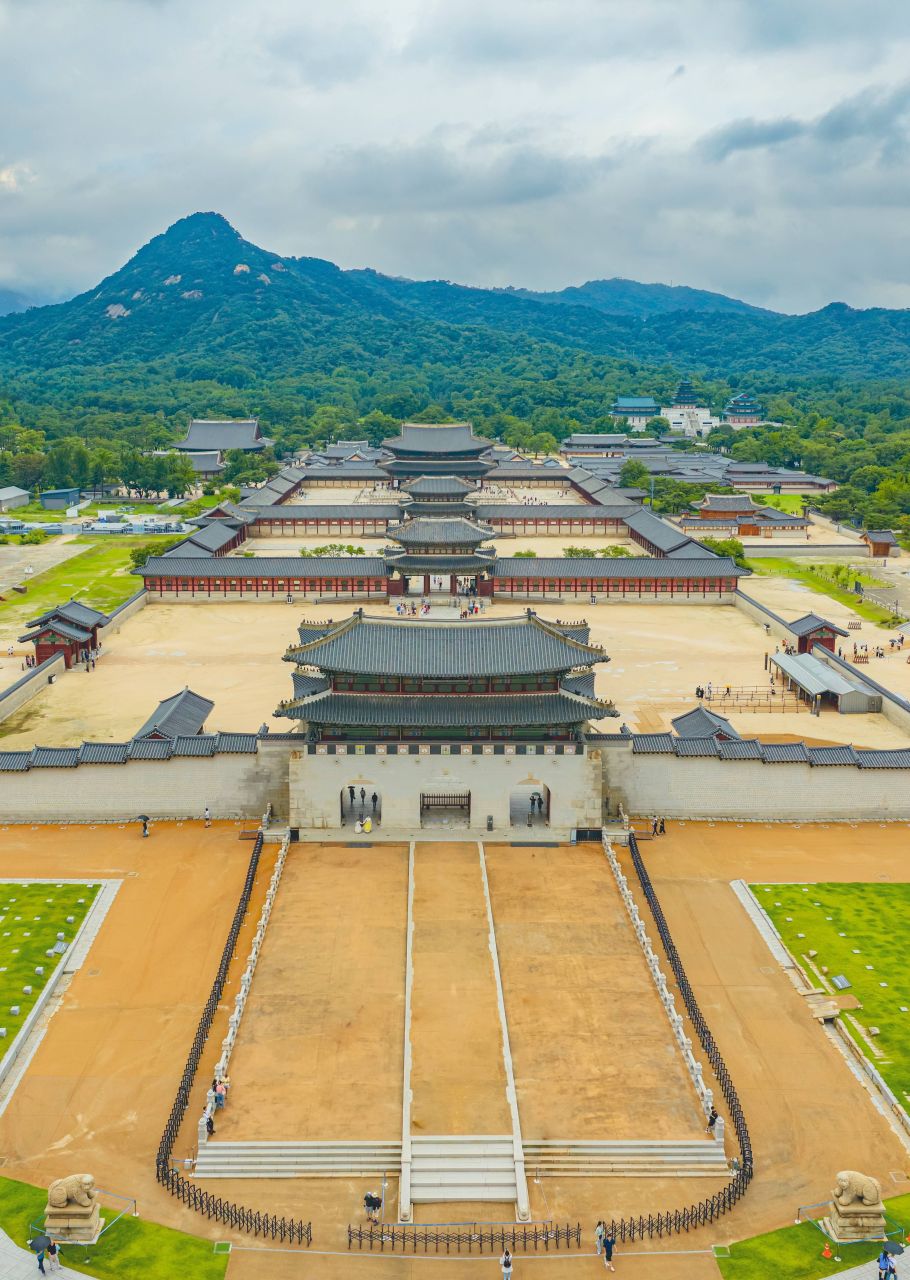
Take Gyeongbokgung Palace (161 Sajik-ro, Jongno-gu, Seoul — Naver Map / Google Maps). It closes every Tuesday, regardless of what’s happening on the national holiday calendar — so a Tuesday that also happens to fall during Chuseok doesn’t magically reopen it; the palace instead shifts its closure to the next business day. Changdeokgung Palace (99 Yulgok-ro, Jongno-gu, Seoul — Naver Map / Google Maps) follows the same logic but closes on Mondays instead. Jongmyo Shrine, another UNESCO site nearby, closes on Tuesdays as well, with the same holiday-shift rule.
The National Museum of Korea is a separate case worth flagging: it closes on January 1 and on the actual days of Seollal and Chuseok themselves, even though it stays open for most other holidays on the list. My practical rule: for any museum or palace, check the venue’s official site (royal.khs.go.kr for the palaces) or a national tourism portal directly for your exact travel date, rather than relying on a general “Korean holidays” list — the general list tells you what the government closes, not what that specific building does.
Getting Around During Public Holidays: Trains, Buses, and Subways
Seoul’s subway and city buses run on essentially normal schedules during Korea Public Holidays 2026-2027, including Seollal and Chuseok, so getting around inside the capital isn’t the problem — leaving the capital is. Subway operating hours are occasionally extended on major holidays, with the exact adjusted schedule announced by Seoul Metro closer to the date, so it’s worth a quick check if you’re planning a very late or very early ride during one of the big holidays.
The real bottleneck is intercity transport. KTX trains and long-distance buses between Seoul and cities like Busan, Gyeongju, or Jeonju become dramatically harder to book during the days immediately before and after Seollal and Chuseok — this is the single most common transportation mistake I see foreign travelers make, assuming Korea’s excellent train network means they can always find a seat. Locals themselves struggle to book these same trains, which tells you how tight the supply actually gets. If your trip requires intercity travel near either holiday, buy your KTX ticket the moment reservations typically open 2-3 weeks ahead for holiday periods or build in a bus as backup — buses run more frequently and hold seats later into the booking window, even though the ride takes longer in holiday traffic.
Common Mistakes When Planning Around Korea’s Public Holidays
The most expensive mistake I see is travelers booking Seollal or Chuseok as if it were any other week — hotel and flight prices climb noticeably in the days around both holidays because domestic demand spikes alongside international arrivals, and by the time a traveler notices prices are unusually high, the better-value rooms are already gone. Book accommodation and any intercity train tickets for these two windows as early as you would for a major festival, not the week before.
A second common error is assuming a holiday closes everything uniformly. In reality, most of the 13-14 dates on this calendar are low-impact “nothing days” for tourists — Local Election Day and Constitution Day, for instance, change almost nothing about a visitor’s experience beyond a closed bank. Treating every date on the list with Seollal-level caution means over-planning around holidays that genuinely don’t matter, while under-planning around the two that do.
A third mistake is forgetting that Korea occasionally declares temporary public holidays with relatively short notice — often to create an extended long weekend around an existing holiday. These additions aren’t guaranteed and can shift closures or crowd levels at the last minute, so if you’re booking a trip more than a few months out, I’d recheck the official calendar again closer to your travel dates rather than trusting a printout from today.
Finally, first-timers often skip checking a venue’s own closing-day schedule because the national holiday calendar didn’t flag anything for that date — as covered above, Gyeongbokgung’s Tuesday closure and Changdeokgung’s Monday closure exist independently of the holiday list and will close the doors on you regardless of what the calendar says.
Frequently Asked Questions
When is Seollal in 2026 and 2027?
Seollal falls on February 16-18, 2026, and February 6-9, 2027 (with February 7 as the main lunar new year date and a substitute holiday on February 9 since it lands on a Sunday). Both years bring the same effect: heavy intercity travel demand and reduced hours at smaller local businesses.
When is Chuseok in 2026 and 2027?
Chuseok runs September 24-26, 2026 (with a substitute holiday on Monday, September 28), and September 14-16, 2027. Book any KTX tickets or hotel rooms for these dates as early as possible, since this is Korea’s biggest domestic travel period alongside Seollal.
Are palaces and museums open on Korean public holidays?
Most palaces, museums, and major attractions stay open on standard public holidays, and many even offer free admission during Seollal and Chuseok. However, each venue’s own weekly closing day (Tuesdays for Gyeongbokgung and Jongmyo, Mondays for Changdeokgung) still applies and isn’t overridden by the holiday calendar.
Will banks and government offices be closed?
Yes — banks, post offices, and government offices close on every date on the Korea Public Holidays 2026-2027 list, without exception. Plan any banking, visa, or paperwork errands around these dates rather than on them.
Is it hard to travel by train or bus during Korean holidays?
Only during Seollal and Chuseok. KTX trains and intercity buses sell out fast in the days surrounding these two holidays, while public transportation within Seoul continues to run close to its normal schedule year-round.
In Conclusion
Korea Public Holidays 2026-2027 look intimidating as a full list, but in practice only two entries — Seollal and Chuseok — require real planning: book intercity trains and accommodation early, expect crowded highways, and consider that many small restaurants and shops may close for a few days. Every other date on the calendar is a low-impact “nothing day” for visitors, where offices close but palaces, malls, and convenience stores carry on. Before your trip, double-check any specific venue’s own closing-day schedule (not just the holiday calendar) directly on its official site, and keep an eye out for short-notice temporary holidays that Korea occasionally adds. Get the two big holidays right, and the rest of this calendar takes care of itself.
Discover more from Korea Visiting
Subscribe to get the latest posts sent to your email.