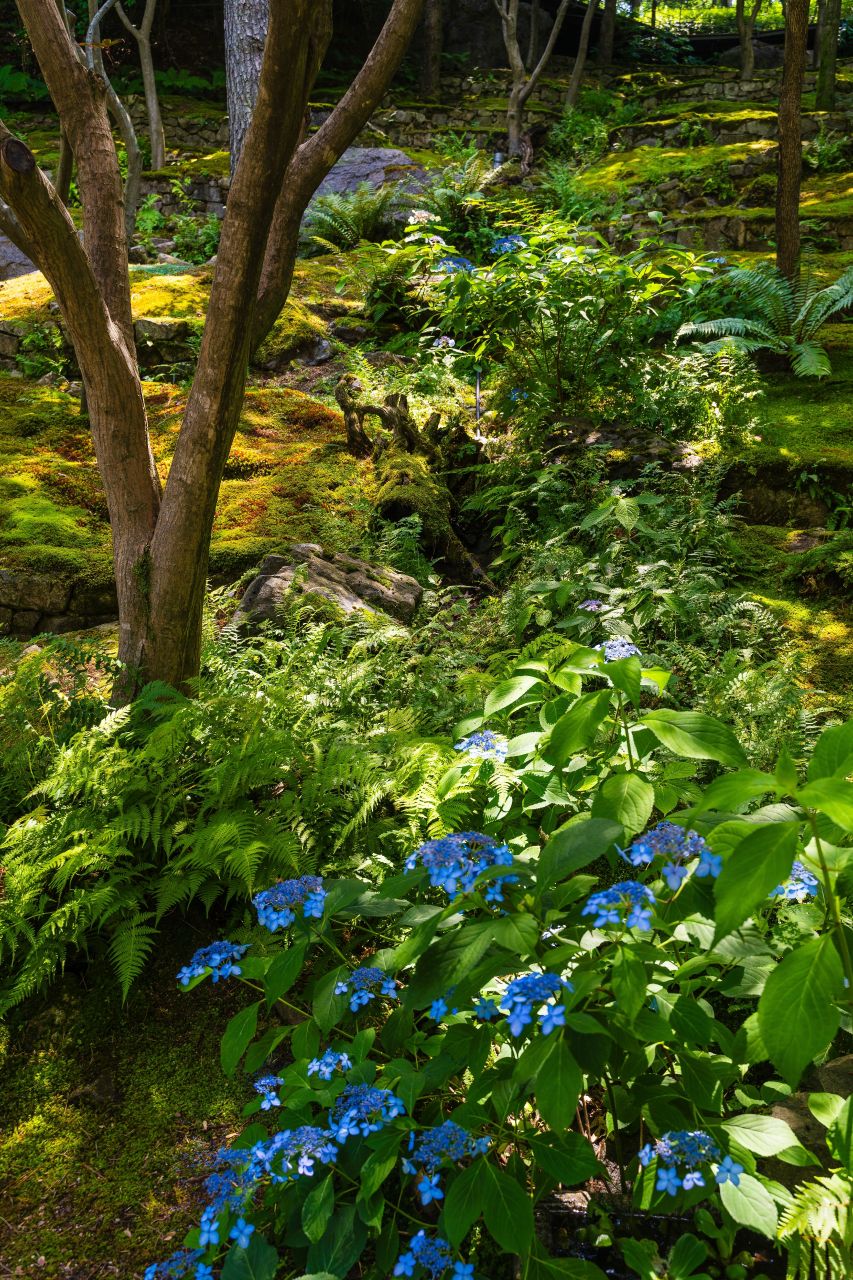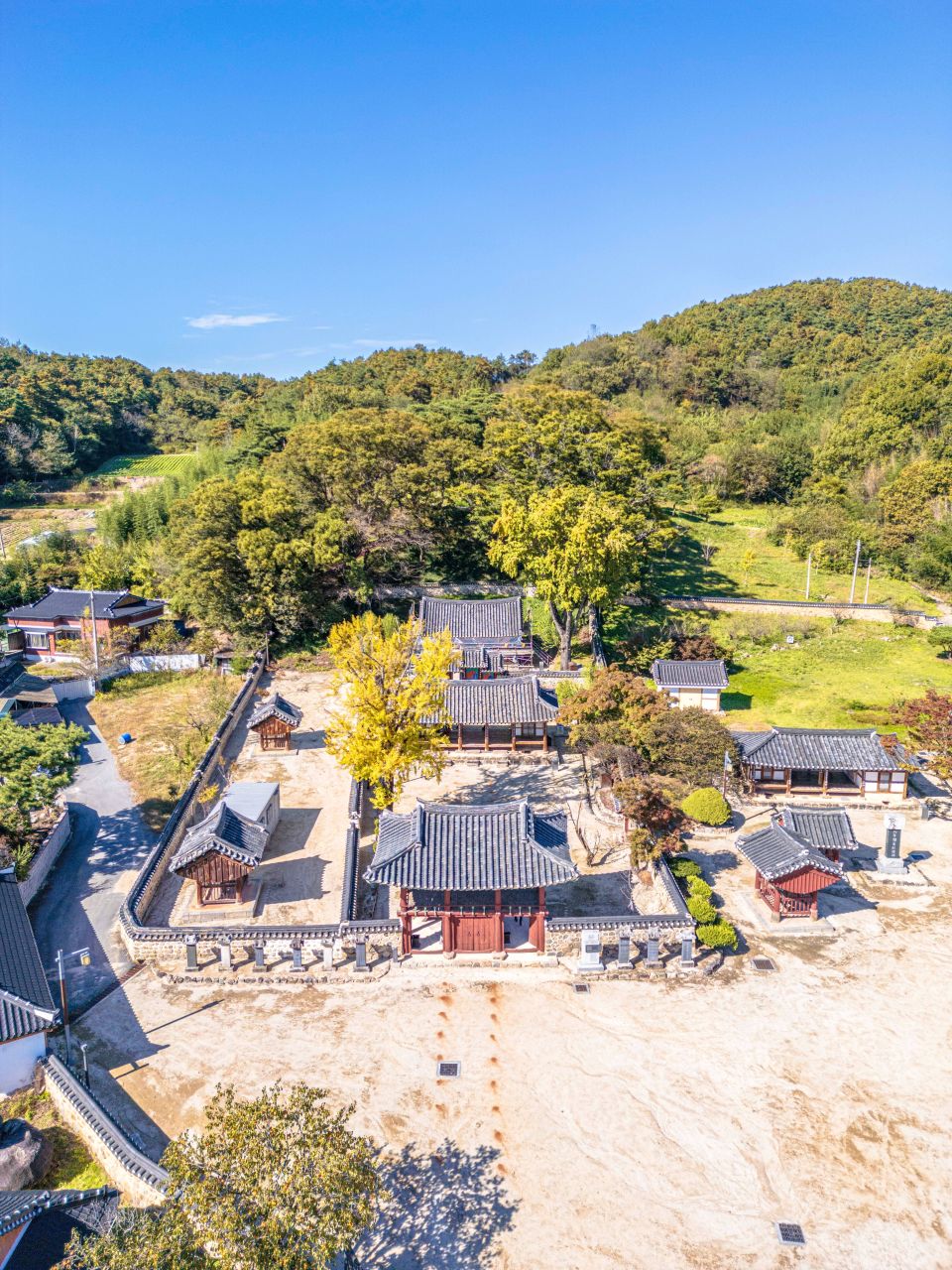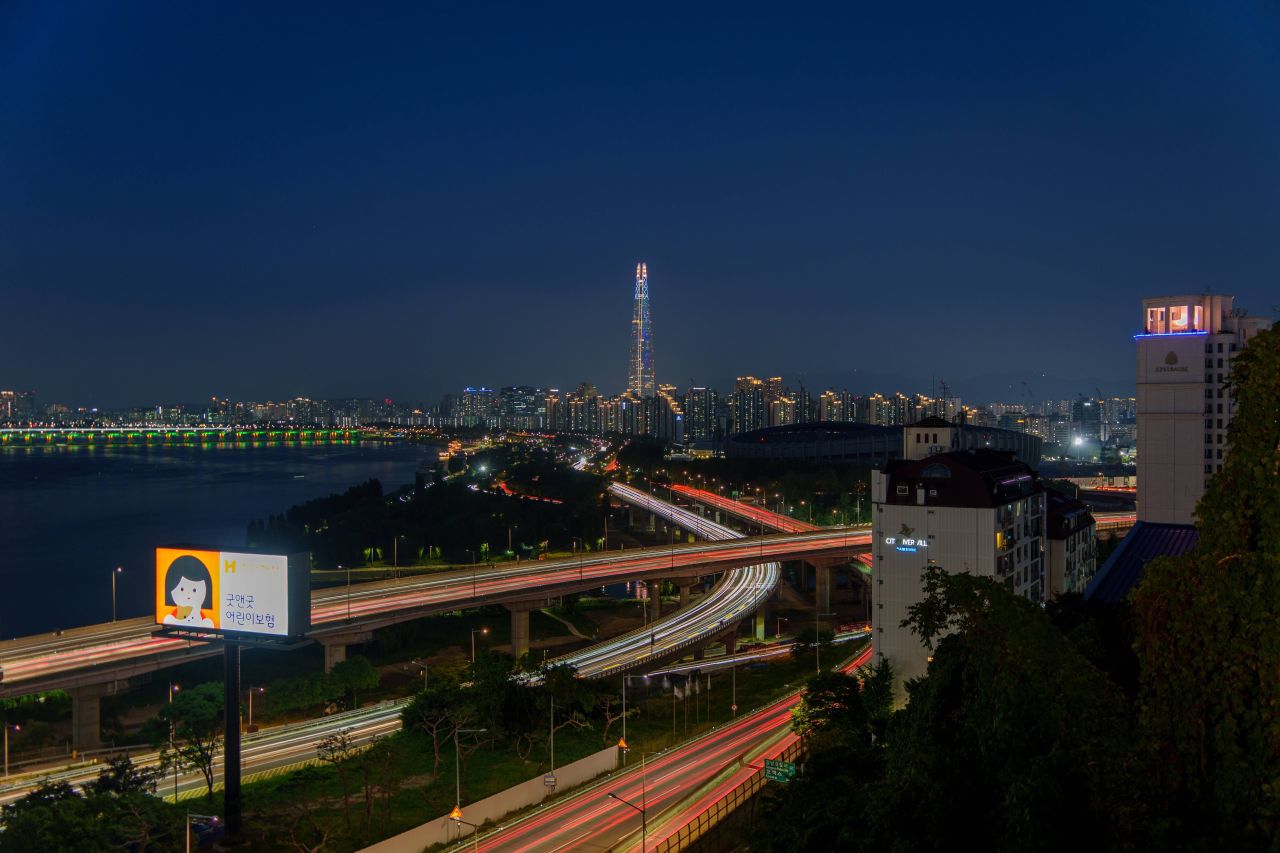
A one day in Seongsu-dong itinerary is one of the easiest ways to combine Seoul’s best urban park, its trendiest cafe streets, and a relaxed riverside evening without ever needing a taxi. This route strings together Seoul Forest, the Seongsu-dong cafe street, and Ttukseom Hangang Park using three subway stations — Seoul Forest, Seongsu, and Ttukseom Resort — all on lines that connect easily to the rest of the city. It suits first-time visitors who want a mix of nature and design culture, photographers chasing industrial-chic interiors, and anyone craving a slower-paced alternative to Seoul’s more crowded shopping districts. The plan below runs from mid-morning to sunset, with realistic pacing so you’re not sprinting between stops.
Key Takeaways
- The core loop is Seoul Forest → Seongsu-dong cafe street → Ttukseom Hangang Park, all reachable on foot or a short subway hop.
- Start before 11 AM or after 5 PM on weekends — Seoul Forest and the cafe street get heavily crowded from 1–4 PM, and many cafes don’t open until 10:30–11 AM anyway.
- Budget about 2–3 hours for Seoul Forest, 2–3 hours for the cafe street, and 1–2 hours at Ttukseom Hangang Park for sunset.
- Popular spots like Tamburins draw long queues; use apps like Catchtable for same-day restaurant bookings rather than planning weeks ahead.
- Total transit cost for the day is roughly 3,000–4,000 KRW (current fares as of June 2025) if you walk between the closer stops and take one subway ride.
Morning — Seoul Forest
Seoul Forest is the natural starting point for a day in Seongsu-dong, offering about 595,000 square meters of green space to ease into the day before the cafe crowds arrive. Take the subway to Seoul Forest Station on the Bundang Line and exit through Exit 4 — you’ll be at the park’s entrance within a couple of minutes.
Plan on about 2–3 hours here, and arrive earlier rather than later, since Korea Tourism Organization crowd data marks Wednesdays as the calmest day and Saturdays as the busiest. Wander through the Culture & Art Park near the entrance, then head toward the Eco Forest for the deer enclosure, one of the park’s most photographed spots. The Family Yard’s open lawns and benches are ideal for a short rest, and the Wind Hill area offers a small elevated view over the park. If you’re visiting in late March to early April, the cherry blossoms along the park’s paths are a major draw; in late October to early November, the ginkgo trees turn the walkways gold. Note that some smaller facilities inside the park, like the Insectarium and Butterfly Garden, keep separate seasonal hours and close on Mondays, so check Naver Map or the official Seoul Forest site before making them a priority.
Once you’ve had your fill of green space, exit toward Ttukseom-ro and walk roughly 15–20 minutes south toward the Seongsu-dong cafe street, or take a short taxi ride of about 5 minutes if you’re short on time or the weather isn’t cooperating.

Midday — Seongsu-dong Cafe Street
The Seongsu-dong cafe street, centered on Yeonmujang-gil, is the heart of this itinerary and easily fills 2–3 hours between browsing renovated warehouses, sipping coffee, and window-shopping design stores. This former shoe-manufacturing and factory district still has working repair shops and printing houses tucked between the trendy storefronts, which is part of what gives the area its distinctive, unpolished-meets-polished character. You can reach the street on foot from Seoul Forest as above, or take the subway one stop to Seongsu Station on Line 2, about a 3-minute ride plus a short walk.
Start at Daelim Changgo Gallery, a red-brick former rice mill from the 1970s that’s now a cafe and gallery space and is widely considered the originator of Seongsu’s warehouse-cafe trend. From there, the surrounding blocks are worth exploring on foot — concept stores, small galleries, and dessert cafes are packed tightly together, so a slow wander often turns up better finds than a fixed checklist. If Korean beauty products are on your list, the Olive Young Seongsu Yeonbang branch also offers tax refunds for international visitors.
Be aware that a few spots here, notably Tamburins, are known for drawing long queues, especially on weekends. If a specific cafe or restaurant is a must-visit, check whether it uses a same-day reservation app like Catchtable — having a Korean phone number makes it easier to receive queue updates, and most systems don’t allow booking more than a day in advance. For lunch or a coffee break, Seongsudarak (Instagram) is a solid Western-style option in the area if you’d rather sit down than queue for a trending spot.
Is Seongsu-dong overrated?
Some travelers find the “Brooklyn of Seoul” comparison overhyped, especially on crowded weekend afternoons when the vibe leans more “see and be seen” than relaxed. Visiting on a weekday morning or after 5 PM, and treating it as one stop in a fuller day rather than the whole trip, tends to leave a better impression.
Evening — Ttukseom Hangang Park
Ttukseom Hangang Park is the natural place to end the day, offering open riverside space, cycling paths, and some of the best sunset views over the Han River in this part of Seoul. From the cafe street, walk about 15–20 minutes toward the river, or take the subway to on Line 2 and exit via the nearest exit, which puts you at the park entrance within about a minute.
Spend 1–2 hours here depending on your energy level. Rent a bike along the riverside path, grab a spot on the grass for a picnic, or simply walk toward the water as the light changes — the park’s riverside square and rose garden are pleasant, low-effort places to unwind after a day of walking. In warmer months, the outdoor pool and water-sport facilities are active; in winter, parts of the park are used for snow activities. From April through October, the park also hosts what’s said to be Seoul’s largest recurring flea market, so check ahead if browsing local vendors interests you. The Jabeolle cultural complex near the station adds a cafe, tea house, and small art exhibitions if you want a low-key finish before heading home.
For dinner, you have two easy options: stay near Ttukseom and pick something riverside-casual, or head back toward Seongsu-dong’s main streets for a wider range of Korean and international restaurants, including hearty options like gamjatang (spicy pork bone soup) for a filling end to the day.
Getting Around & Practical Tips
This itinerary works entirely on foot and subway, with a single-day transit cost of roughly 3,000–4,000 KRW if you take one or two short subway rides (base fare about 1,550 KRW per ride as of June 2025, cheaper with a T-money card). A T-money transit card, available at any convenience store or subway station, is the simplest way to pay across all three stops.
Pace this route as morning-to-afternoon-to-evening rather than trying to compress it: Seoul Forest first, the cafe street through the afternoon lull, and Ttukseom for sunset. If you’re visiting on a weekend, start before 11 AM or shift your Seoul Forest visit to arrive after 5 PM, since the 1–4 PM window is consistently the busiest across both the park and the cafe street. Wednesdays are the least crowded day for Seoul Forest according to Korea Tourism Organization data, so a weekday visit is worth prioritizing if your schedule allows it.
Pre-booking matters more for restaurants and trending shops than for the parks themselves — Seoul Forest and Ttukseom Hangang Park are free, open 24 hours, and never require reservations. For popular cafes or restaurants, same-day queueing apps like Catchtable are the norm rather than advance reservations, so build in flexibility rather than fixed dinner times. Parking is limited and metered at both parks (Seoul Forest charges 200 KRW per 5 minutes for small cars and 400 KRW per 5 minutes for large cars (as of 2024); Ttukseom Hangang Park charges roughly 1,000 KRW for the first 30 minutes (as of 2023)), so public transport is genuinely the easier choice for this route.
Seasonally, spring (late March–early April, cherry blossoms) and autumn (late October–early November, ginkgo trees) are the most visually rewarding times for Seoul Forest, though also the most crowded. Summer adds water activities at Ttukseom Hangang Park, while winter brings a quieter, starker version of the same riverside walk.
Frequently Asked Questions
How do I get from Seoul Forest to the Seongsu-dong cafe street?
It’s about a 15–20 minute walk south along Ttukseom-ro, or a roughly 5-minute taxi ride if you’d rather save your legs for the cafe-hopping ahead. There’s no direct subway connection between the two, since Seoul Forest Station and the cafe street sit close enough together that walking is usually the most practical option.
What time do cafes open in Seongsu-dong?
Most cafes and shops in the area don’t open until around 10:30–11 AM, so an early-morning start won’t get you much beyond the park. Since hours vary by shop and can change, it’s best to check each cafe’s Naver Map listing on the day of your visit rather than planning around a fixed opening time.
How can I avoid crowds in Seongsu-dong?
Visit on a weekday, and aim for before 11 AM or after 5 PM — the 1–4 PM window on weekends is consistently the busiest for both Seoul Forest and the cafe street. Korea Tourism Organization crowd data also points to Wednesday as the quietest day at Seoul Forest, if your schedule is flexible.
Do I need to book anything in advance for this itinerary?
Seoul Forest and Ttukseom Hangang Park are free and open 24 hours, so no booking is needed for either. Popular restaurants and cafes generally use same-day queueing apps like Catchtable rather than advance reservations, so it’s worth having the app installed and, if possible, a Korean phone number to receive queue updates.
Can I combine this itinerary with other parts of Seoul in one day?
It’s possible but not recommended if you want a relaxed pace — Seoul Forest, the cafe street, and Ttukseom Hangang Park together already fill a full day when walked at a comfortable pace. If you have extra time, a short evening addition nearby is more realistic than tacking on a distant neighborhood.
In Conclusion
This one day in Seongsu-dong itinerary works because it follows a natural rhythm — nature in the morning, culture and coffee through the afternoon, and river views at sunset — all connected by short walks or one-stop subway rides. Stick to the Seoul Forest → cafe street → Ttukseom Hangang Park sequence, start early or late to dodge weekend crowds, and keep restaurant plans flexible with same-day apps rather than fixed reservations. Budget the full day rather than squeezing this in alongside other neighborhoods, and let the pace stay unhurried — that’s what makes Seongsu-dong worth the trip in the first place.
Seoul Forest is one of the city’s best foliage spots — check the Korea fall foliage 2026 forecast for the peak weeks before you go.
Discover more from Korea Visiting
Subscribe to get the latest posts sent to your email.