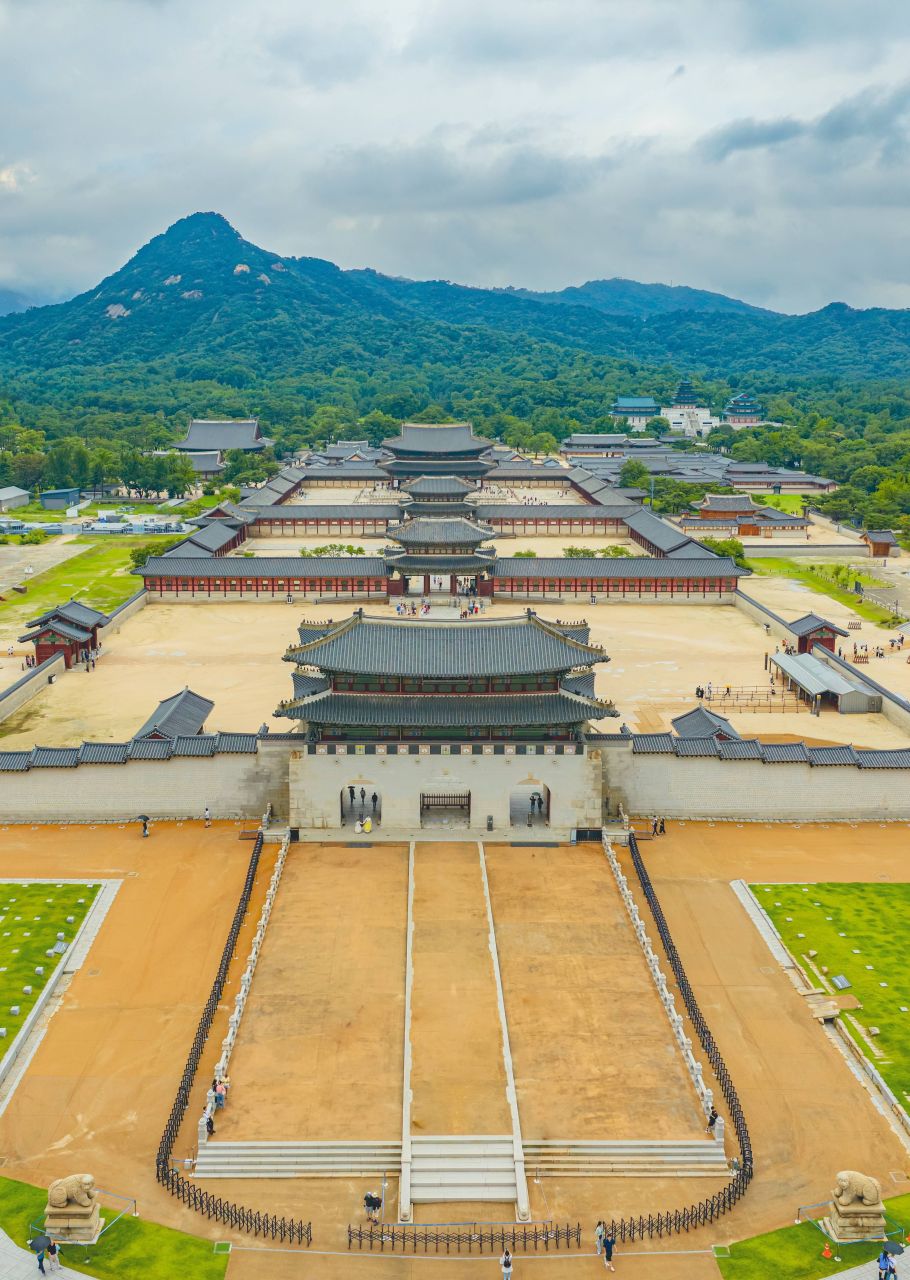
An Incheon day trip from Seoul is one of the easiest excursions in the country: hop on Subway Line 1, ride it to the end of the line, and you land in a port city that looks and tastes nothing like the capital. This itinerary strings together the three stops most visitors want to see in a single day — Incheon Chinatown, the Open Port District (Gaehangjang), and Wolmido — using only Line 1 and a short local bus hop, with realistic timings and costs for each leg. It’s built for travelers who want a full but unrushed day, not a sprint that leaves no room to actually enjoy anywhere.
Incheon isn’t as universally loved as Seoul or Suwon — some travelers find it quieter or rougher around the edges — so this guide is honest about which stops deserve real time and which are quick photo breaks.
Key Takeaways
- Seoul to Incheon Station on Subway Line 1 takes about 51–56 minutes and costs roughly ₩1,900–2,700 (2025 pricing), with trains every 10 minutes.
- Incheon Chinatown sits right next to Incheon Station, making it a natural first stop.
- The Open Port District is a walkable extension of Chinatown packed with early-1900s architecture and small museums.
- Wolmido is the day’s finale — reachable by local bus (about 15 minutes) or the Wolmi Sea Train — best timed for sunset.
- If time is tight, focus on Chinatown, the Open Port District, and Wolmido, since these three stops offer the most rewarding experience for the time invested.
Planning Your Incheon Day Trip from Seoul: Getting There via Subway Line 1
The fastest way to start an Incheon day trip from Seoul is Subway Line 1, which runs directly to Incheon Station with no transfer required. From Seoul Station or Yongsan Station, the ride takes about 51–56 minutes and costs roughly ₩1,900–2,700 with a T-money card (as of 2025), and trains run about every 10 minutes, so there’s no need to plan around a fixed schedule.
Board any Incheon-bound Line 1 train and ride it to the final stop — Incheon Station is the terminus, so there’s no risk of missing your stop. Leaving Seoul around 9:00–9:30 AM gives a full day: you’ll arrive in Incheon by roughly 10:15–10:30 AM, leaving time for all three stops without rushing. Because everything from Chinatown to the Open Port District sits within walking distance of Incheon Station, you won’t need a taxi until it’s time to head to Wolmido later in the day.

Incheon Chinatown
Incheon Chinatown sits directly across from Incheon Station’s Exit 1, making it the natural first stop of the day and the easiest to reach on foot. Admission to the district is free, and it’s built around a single main street lined with red-and-gold gates, mural-covered alleys, and dozens of Chinese-Korean restaurants.
Budget about 60–90 minutes here, more if you plan to eat lunch. This is the birthplace of Korean-style jjajangmyeon (black bean noodles), and it’s worth having at least one bowl at one of the long-established noodle houses along the main street — but don’t stop there. Look for small bakeries selling Chinese-style steamed buns (hoppang) and sesame pastries, and duck into one of the rooftop cafés overlooking the Chinatown gate for a coffee break with a view down the main street — a quieter alternative to the crowded photo spots at street level.
Chinatown’s shops and restaurants operate through the daytime and into the evening, so a late-morning arrival works well; check individual restaurants on Naver Map for current status before you go. For background on the district’s history, see the official Incheon tourism site. To find Incheon Station itself, use Naver Map or Google Maps.
Open Port District (Gaehangjang)
The Open Port District, or Gaehangjang, is Incheon’s cluster of late-19th and early-20th century architecture, and it sits directly adjacent to Chinatown, so no separate transit is needed to get there. The streets themselves are free to explore, and walking them — past former foreign consulates, banks, and trading houses — takes about 60–90 minutes at a relaxed pace.
The centerpiece is the Incheon Open Port Museum, housed in a former Bank of Japan building, which offers an integrated ticket covering five venues in the area, including the Hanjung Culture Center and the Jjajangmyeon Museum; ticket details and online booking are available through the official ticketing site. A few minutes further on, the Incheon Art Platform occupies a complex of 1930s–40s buildings converted into gallery and residency spaces — worth a look even if you only walk through the courtyard.
For food beyond the well-known Sinpo Market dakgangjeong (sweet-spicy fried chicken), look for smaller stalls selling grilled mandu (dumplings) or try one of the cafés set inside converted old bank buildings along the main street — a quieter, more atmospheric coffee stop than the busier spots near Chinatown’s gate. Use Naver Map or Google Maps to navigate the district.
Wolmido
Wolmido is the last stop of the day and the best place to time your visit around sunset, since it’s a small island connected to the mainland and known for its waterfront views. From Incheon Station, reach it by local bus (routes such as #45 or #2, about 15 minutes) or via the Wolmi Sea Train, a monorail that loops around the island and offers elevated harbor views along the way.
Entry to the island itself is free. The small amusement park along Wolmi Culture Street charges per ride — expect roughly ₩6,500–7,000 per adult ride, or a one-day pass around ₩30,000 (as of 2025) — with rides like Disco Pang Pang and the Viking drawing the biggest crowds on YouTube and Instagram. If you want to ride the Wolmi Sea Train, note that it runs on a seasonal schedule that changes throughout the year, so confirm current days and times before building your visit around it; the adult weekday fare is roughly ₩11,000.
Plan for about 2–3 hours here, including dinner. Wolmi Culture Street’s seafood restaurants and street-food stalls overlooking the water are the natural place to eat, and feeding the seagulls along the pier is a local tradition worth joining before the light fades. For details, see the official Wolmido site, or find the island via Naver Map and Google Maps.
Getting Around & Practical Tips
A T-money card covers every leg of this itinerary — Line 1, the local bus to Wolmido, and the Wolmi Sea Train — so there’s no need for a separate transit pass. For walking directions within Incheon’s older neighborhoods, Naver Map generally performs better than Google Maps in Korea, so it’s worth switching over once you arrive.
If your day feels tight, prioritize Chinatown, the Open Port District, and Wolmido, since these three stops deliver the most rewarding experience for the time invested. Spring and autumn are the most comfortable seasons for the amount of walking this route involves; summer humidity can slow you down between Chinatown and the Open Port District, and Wolmido’s waterfront gets noticeably windy in winter, so dress accordingly for the final stop. No advance reservations are required for the outdoor districts, but if you’re visiting the Incheon Open Port Museum or riding the Wolmi Sea Train on a weekend, booking online ahead of time helps avoid queues. Travelers looking for a different pace of day trip sometimes prefer Suwon’s Hwaseong Fortress instead — it’s a reasonable alternative if Incheon’s port-city character isn’t what you’re after.
Frequently Asked Questions
Is Incheon worth a day trip from Seoul?
It depends on what you want: Incheon offers a distinct port-city atmosphere, historic architecture, and Chinatown that Seoul doesn’t have, but some travelers find it quieter and less polished than the capital. If you enjoy walking through history-heavy streets and coastal views, it’s a worthwhile change of pace; if you’re short on time, Seoul’s major palaces may deliver more per hour.
How do I get from Seoul to Incheon by subway?
Take Subway Line 1 from Seoul Station or Yongsan Station directly to Incheon Station — no transfer is needed. The ride takes about 51–56 minutes and costs roughly ₩1,900–2,700 as of 2025, with trains departing about every 10 minutes.
How long do I need for this Incheon day trip itinerary?
A full day works best: departing Seoul around 9:00–9:30 AM and returning by early evening gives enough time for Chinatown, the Open Port District, and Wolmido without rushing. Even if you’re pressed for time, all three stops can still comfortably fit into a single day.
Do I need to book anything in advance for Wolmido?
Not for the island itself, since entry is free and rides are pay-per-use. If you specifically want the Wolmi Sea Train or plan to visit the Incheon Open Port Museum on a weekend, booking online ahead of time is worth it to avoid lines.
What’s the best food to try in Incheon?
Jjajangmyeon in Chinatown is the signature dish, but it’s worth branching out to Chinese-style steamed buns and pastries in Chinatown, grilled dumplings or dakgangjeong near Sinpo Market in the Open Port District, and fresh seafood or street snacks along Wolmi Culture Street in the evening.
In Conclusion
An Incheon day trip from Seoul works best when it’s treated as three distinct stops rather than a checklist to rush through: Chinatown for food and photos, the Open Port District for history and architecture, and Wolmido for sunset and seafood. Leaving Seoul on Line 1 by mid-morning and pacing each stop at 60–90 minutes leaves plenty of room to actually enjoy the day instead of racing between subway exits. Keep a T-money card loaded, lean on Naver Map for walking directions once you’re off the train, and book ahead only if you want the Wolmi Sea Train or a weekend museum slot. Done at this pace, it’s a full, satisfying day trip — just don’t expect Incheon to feel like a smaller Seoul, because its appeal is genuinely different.
Discover more from Korea Visiting
Subscribe to get the latest posts sent to your email.