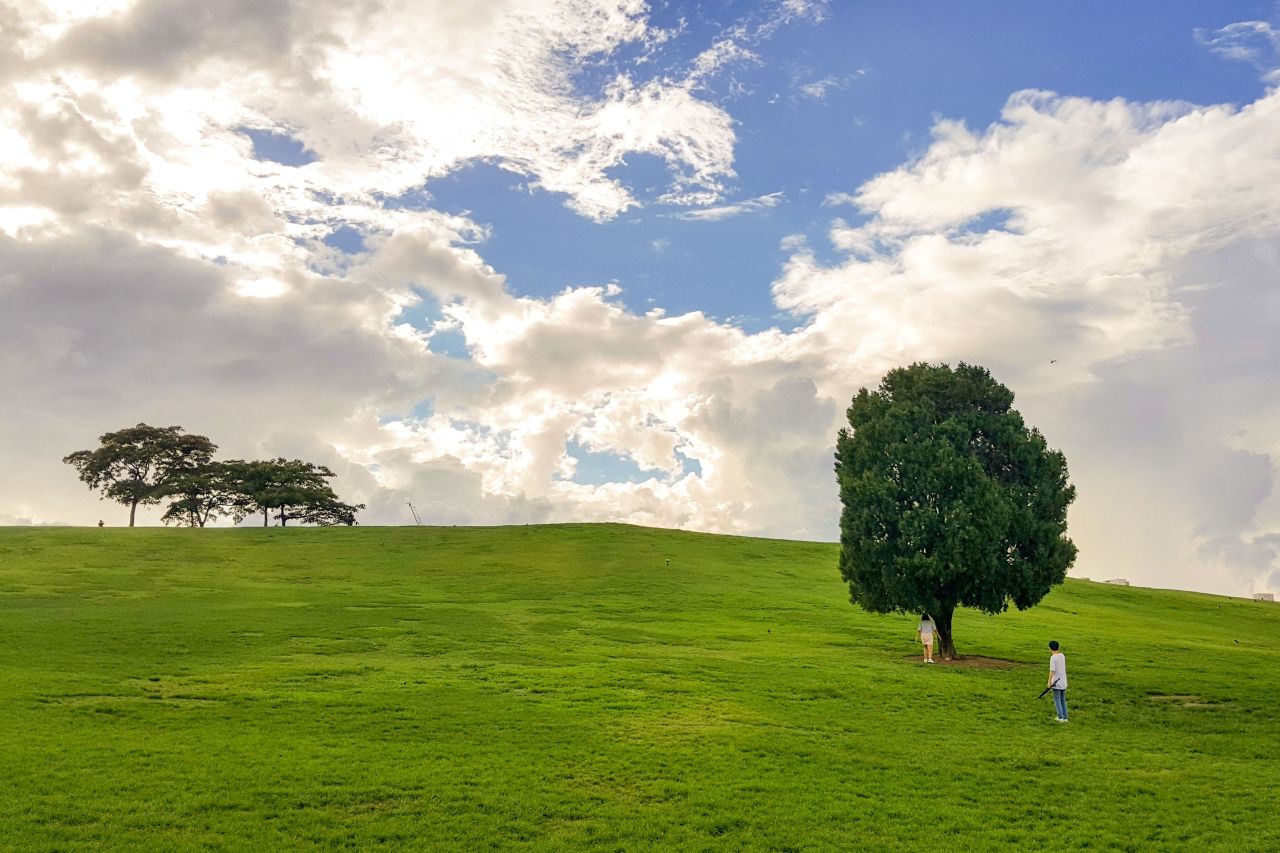
Are you dreaming of Jeju Island but dreading the bustling crowds at popular spots? Many first-time visitors envision serene landscapes and unique geological formations, only to find themselves navigating queues and throngs of tourists. If your ideal getaway involves authentic discovery and a deeper connection with nature, then you’re in the right place. This guide delves into Jeju’s lesser-known volcanic caves and coastal trails, offering a refreshing alternative to the typical tourist circuit. Prepare to uncover the island’s hidden geological wonders and pristine paths, experiencing Jeju as few others do – without the stress of over-tourism, but with all the breathtaking beauty the island is renowned for. Forget the familiar, and step into an adventure that truly reveals the untouched soul of Jeju.
Jeju’s Hidden Geological Wonders: Volcanic Caves & Coastal Trails
Jeju Island, a UNESCO World Heritage site, is famous for its stunning volcanic landscapes. While iconic sites like Hallasan Mountain and the Manjanggul Lava Tube attract millions, a wealth of equally mesmerizing, yet far less traveled, destinations await the intrepid explorer. These hidden gems—ranging from secluded lava tubes to rugged coastal paths—offer an intimate encounter with Jeju’s raw, untamed beauty. For those seeking genuine discovery and an escape from the predictable, delving into Jeju’s lesser-known volcanic caves and coastal trails provides an unparalleled opportunity to connect with the island’s unique geological heritage.
The Allure of Undiscovered Jeju
There’s a special thrill that comes with venturing off the beaten path, a sense of personal achievement in uncovering places that retain their pristine charm precisely because they are not widely advertised. Jeju’s appeal extends far beyond its well-trodden tourist hubs; it whispers from ancient lava flows and echoes through quiet coastal breezes. To truly understand Jeju’s volcanic origins and its vibrant ecosystems, one must be willing to look a little deeper, to walk a little further, and to explore with an open mind. This guide aims to equip you with the knowledge to do just that, ensuring your journey is as smooth and enriching as possible.
Beyond the Crowds: Why Venture Off-Path?
Opting for Jeju’s lesser-known volcanic caves and coastal trails provides numerous benefits, especially for those seeking tranquility and a more personal experience. You’ll avoid the sensory overload of crowded attractions, often enjoying moments of solitude amidst nature’s grandeur. Furthermore, these hidden spots frequently offer a more authentic glimpse into Jeju’s natural history and local culture, free from commercialization. It’s an opportunity to truly immerse yourself, to hear the sounds of the island, feel its ancient textures, and witness its untouched beauty up close. Prepare for photo opportunities devoid of photobombers and moments of reflection undisturbed by noise.
Essential Information for Exploring Jeju’s Unique Landscapes
Embarking on an adventure to discover Jeju’s hidden geological wonders requires careful planning, especially when venturing into areas that may have limited facilities or unique access requirements. This section provides a concise overview of crucial information to ensure your exploration of Jeju’s lesser-known volcanic caves and coastal trails is safe, enjoyable, and well-informed. From understanding why these spots are worth the effort to practical details like operating hours and transport, consider this your essential pre-trip briefing.
A Glimpse into Jeju’s Secret World
Before diving into the specifics of individual locations, it’s helpful to grasp the overarching experience these lesser-known sites offer. Unlike their famous counterparts, these caves and trails often demand a bit more preparation and a spirit of adventure. They are not manicured parks but wild, natural spaces. The rewards, however, are immense: profound natural beauty, a sense of genuine discovery, and an escape from the conventional tourist experience. You’ll gain a deeper appreciation for Jeju’s volcanic geology and its resilient natural environment.
Planning Your Journey to Untouched Beauty
Effective planning is key to maximizing your experience and minimizing any potential frustrations. This involves not just knowing where to go, but also understanding when to go, what to bring, and how to navigate the island. Jeju’s terrain can be challenging, and weather conditions can change rapidly, particularly on exposed coastal areas or within damp cave environments. Being prepared will allow you to fully enjoy the tranquility and awe-inspiring sights that await you in these unique corners of Jeju.
Summary Block: Quick Guide to Jeju’s Hidden Gems
Why Visit Jeju’s Lesser-Known Volcanic Caves and Coastal Trails
Escape the crowds and discover authentic, untouched natural beauty. Experience the island’s unique geology intimately, offering unparalleled photo opportunities and a sense of true exploration away from commercialized areas.
What You’ll Experience: Unforgettable Sights and Sounds
Journey through ancient lava tubes with surreal formations, and trek along dramatic coastlines revealing hidden beaches, columnar jointing, and panoramic ocean vistas. Encounter diverse flora and fauna in their natural habitats.
Best Times to Explore: Timing Your Adventure
Spring (April-May) and Autumn (September-October) offer pleasant weather for both cave exploration and coastal hikes. Summers can be hot and humid, while winters can be chilly and windy, especially on the coast. Weekdays generally mean fewer people.
Getting There: Navigating Jeju’s Diverse Terrain
Public transportation can be limited to some lesser-known spots, so renting a car is often the most convenient option. Buses cover major routes, but may require transfers or longer travel times. Taxis or ride-sharing apps are also available but can add up.
Operating Hours: Know Before You Go
Most outdoor trails are accessible from sunrise to sunset, but specific cave attractions might have fixed operating hours, often closing by 5 or 6 PM. Always check official websites or local information centers for the most up-to-date timings, especially for less popular sites which might have seasonal variations.
Official Resources: Your Planning Hub
- Jeju Olle Trail Official Website: www.jejuolle.org (for coastal trails)
- Korea National Park Service: english.knps.or.kr (for general park info if applicable to specific sites)
- Jeju Tourism Organization: www.visitjeju.net/en (for comprehensive island information)
Access and Reservations: Tips for Entry
Many Jeju’s lesser-known volcanic caves and coastal trails are free to access. Some specific caves, like Bengdwigul Cave, are restricted and require special permits through official channels (often for research or educational purposes) and are not open for general public entry. Always verify access requirements before heading out. Popular ones might require timed entry (e.g., Manjanggul, though it’s not “lesser-known”).
Important Considerations: Expert Advice for a Smooth Trip
- Safety First: Wear appropriate footwear for uneven terrain. Carry sufficient water and snacks. Inform someone of your hiking plans, especially for secluded trails.
- Environmental Respect: Stick to marked paths, do not litter, and avoid disturbing wildlife or geological formations.
- Weather Awareness: Jeju’s weather can be unpredictable. Check forecasts, bring layers, and prepare for rain.
- Connectivity: Cell service can be spotty in remote cave or coastal areas. Download offline maps.
Nearby Attractions: Expanding Your Jeju Itinerary
Consider pairing a cave exploration with a nearby coastal trail for a full day of geological immersion. Many lesser-known trails are close to charming local villages offering authentic Jeju cuisine and cultural experiences. Research local markets or artisan shops in the vicinity of your chosen trail or cave to discover unique souvenirs. For instance, after exploring a cave in the eastern part of Jeju, you might find quaint cafes or small museums along the nearby coastal roads.
Unearthing Jeju’s Volcanic Secrets: The Caves
Jeju’s status as a volcanic island has gifted it with an extraordinary network of lava tubes, forming some of the most impressive geological formations on Earth. While Manjanggul Cave is the most famous, the island holds other fascinating subterranean worlds that offer a quieter, more profound experience of Jeju’s lesser-known volcanic caves and coastal trails. These hidden caves provide a unique perspective on the island’s fiery past, inviting you to step into a timeless realm shaped by molten rock.
Diving Deep into Jeju’s Lava Tubes
Lava tubes are natural conduits formed by flowing lava during a volcanic eruption. Once the lava flow ceases, these tubes cool and harden, leaving behind a tunnel. Jeju’s lava tubes, part of the Geomunoreum Lava Tube System, are distinguished by their diverse and colorful speleothems (cave formations), formed from solidified lava. Exploring these formations feels like stepping onto another planet, offering a stark contrast to the verdant landscapes above ground. The ambient temperature inside is consistently cool, providing a welcome respite during warmer months, but requiring a light jacket even in summer.
Exploring Bengdwigul Cave: A Raw Geological Encounter
For those truly seeking a *lesser-known* and raw experience, Bengdwigul Cave (뱅듸굴) epitomizes untouched natural beauty. Unlike Manjanggul, Bengdwigul is largely un-modified for tourism. Its complex, labyrinthine structure, formed by multiple lava flows, is one of the most significant features of the Geomunoreum system. However, it’s crucial to understand that Bengdwigul is a designated Natural Monument and is generally *not open to the public* for casual visits due to its ecological sensitivity and the challenging nature of its interior. Access is typically restricted to scientific research or highly specialized tours by permit only. This highlights the importance of respecting Jeju’s natural heritage and understanding that “lesser-known” can sometimes mean “restricted.” For most visitors, appreciating its significance from afar or learning about it through interpretive centers is the best approach. Always check with the Jeju World Natural Heritage Center for the latest information on accessibility or exhibits that showcase this unique cave.
What to Expect Inside a Lesser-Known Lava Tube (General Access)
While Bengdwigul is largely inaccessible, other smaller, less-frequented lava tubes or sections of larger systems might offer limited, guided access or exist as undeveloped points of interest. If you do find a publicly accessible, less-developed lava tube, expect a more rustic experience. The ground can be uneven and slippery, lighting might be minimal, and you’ll likely encounter natural cave features like lava stalactites, stalagmites, and lava columns without the extensive boardwalks and artificial lighting found in popular caves. A sturdy pair of non-slip shoes, a headlamp, and a sense of adventure are essential. The air inside is often humid and cool, carrying the earthy scent of minerals. Listen closely, and you might hear the drip of water or the flutter of bats, adding to the raw, untamed atmosphere.
Safety and Preservation: Respecting Jeju’s Underground Heritage
When exploring any of Jeju’s volcanic caves, whether well-known or obscure, safety and preservation are paramount. Always follow posted guidelines and the instructions of any guides. Avoid touching cave formations, as oils from human skin can damage these delicate geological structures over time. Flash photography should be used sparingly, if at all, to protect sensitive cave ecosystems and wildlife. Remember that these caves are ancient, fragile environments that have taken millennia to form; our responsibility is to ensure they remain preserved for future generations. This mindful approach ensures your experience is not only enriching for you but also sustainable for the environment.
Embracing the Wild Coastline: Unveiling Hidden Trails
Beyond its subterranean wonders, Jeju’s coast offers an equally compelling narrative of volcanic activity meeting the relentless ocean. While the Olle-gil trails are globally recognized, certain sections and geo-trails remain delightfully secluded, inviting visitors to discover the raw power and serene beauty of Jeju’s lesser-known volcanic caves and coastal trails at their own pace. These paths offer breathtaking vistas, unique rock formations, and a chance to feel the ocean breeze truly refresh your spirit.
Jeju’s Untouched Olle-gil Sections and Geo-trails
The Jeju Olle-gil network consists of 27 main routes (and several sub-routes) circling the island, each offering a distinct charm. However, some routes, particularly those further from Jeju City or Seogwipo, or those considered more challenging, see significantly less foot traffic. These sections are perfect for those seeking solitude and an immersive hiking experience. They often pass through traditional villages, dense coastal forests, and along dramatic cliffs, providing diverse scenery. Look for routes known for their geological features, such as those that highlight columnar jointing or unique rock formations, which seamlessly connect the island’s volcanic origins with its coastal present.
Suwolbong Peak Geo-trail: A Walk Through Time
One standout among Jeju’s lesser-known volcanic caves and coastal trails is the Suwolbong Peak (수월봉) Geo-trail, located on the western tip of Jeju Island. While Suwolbong Peak itself is somewhat known, the geo-trail offers a deep dive into its unique stratigraphy. This trail is particularly significant for geologists and enthusiasts because it exposes layers of volcanic ash, tuff, and sedimentary rocks that vividly illustrate Jeju’s explosive past. The trail is relatively easy to walk, making it accessible to most visitors, yet it feels far removed from the more crowded areas. Along the path, interpretive signs explain the various geological features, turning a simple walk into an educational journey through millions of years of earth history. You’ll witness stunning cliff faces where each layer tells a story of ancient eruptions and marine life. The views of the ocean, Chagwi-do Island, and even Hallasan on a clear day are simply spectacular, making it a truly rewarding experience.
Navigating Secluded Beaches and Rocky Shores
Many coastal trails lead to or pass by secluded beaches and rocky shores that remain largely untouched. Unlike the popular sandy beaches, these hidden coves often feature unique black volcanic sand, intricate rock pools teeming with marine life, or dramatic basalt formations carved by centuries of ocean waves. Exploring these areas requires caution; tides can change quickly, and rocks can be slippery. It’s advisable to wear water shoes if you plan to explore tidal pools. These quiet spots are ideal for peaceful contemplation, bird watching, or simply enjoying the raw power of the ocean in solitude. The sound of waves crashing against volcanic rock, uninterrupted by human chatter, is a memory you won’t soon forget.
Packing Essentials for Coastal Trail Exploration
To ensure a comfortable and safe experience on Jeju’s coastal trails, especially the lesser-known ones, smart packing is crucial.
- Footwear: Sturdy, waterproof hiking shoes with good grip are essential for uneven, potentially slippery, and rocky paths.
- Clothing: Layered clothing is recommended as coastal weather can change rapidly. A windproof and waterproof outer shell is invaluable.
- Sun Protection: Even on cloudy days, Jeju’s sun can be strong. Bring a hat, sunglasses, and high-SPF sunscreen.
- Water & Snacks: Carry ample water, as refreshment points might be scarce on secluded trails. Energy-boosting snacks are also a good idea.
- Navigation: While most Olle-gil paths are well-marked, having an offline map (e.g., Naver Maps or Kakao Maps, with downloaded Jeju data) on your phone is prudent, especially for lesser-known paths or if you decide to explore off the designated route.
- First-Aid Kit: A small kit with band-aids, antiseptic wipes, pain relievers, and any personal medications is always wise.
- Camera: To capture the breathtaking scenery, of course!
Practicalities for Your Off-the-Beaten-Path Jeju Journey
Venturing into Jeju’s lesser-known volcanic caves and coastal trails offers an unparalleled adventure, but it also calls for a proactive approach to planning. Beyond knowing the destinations, understanding the practicalities of travel, safety, and sustainable tourism will greatly enhance your experience. This section delves into essential advice drawn from common visitor experiences, helping you navigate your journey with confidence and ease.
Essential Gear for Cave and Trail Adventures
When preparing for your exploration, consider the dual nature of your adventure: both dark, damp caves and exposed coastal paths. For caves, a headlamp is a must, even if some lighting is provided, to fully appreciate the intricate details and ensure safe footing. A small backpack to carry water, snacks, and a light jacket is ideal. For coastal trails, the previously mentioned sturdy footwear and layered, weather-appropriate clothing are key. Additionally, trekking poles can be beneficial for longer or more challenging routes, offering stability and reducing strain. Don’t forget a portable power bank for your phone, as capturing endless photos and navigating can drain your battery quickly.
Managing Your Time and Energy: Pace Yourself
Many first-time visitors to Jeju try to cram too much into their itinerary, leading to exhaustion. When exploring lesser-known areas, it’s even more important to manage your time and energy wisely. These sites often require more effort to reach and navigate, and rushing through them diminishes the experience. Allocate ample time for each location, including travel to and from, and build in breaks for rest and meals. Consider focusing on one significant cave and one coastal trail per day, rather than attempting multiple. Listening to your body and appreciating the journey at a relaxed pace will make your adventure far more enjoyable and memorable. Remember, the goal is to discover and connect, not to tick off a list.
Common Pitfalls and How to Avoid Them
One common mistake is underestimating the distances and travel times on Jeju. While the island may seem small, winding roads and public transport schedules can make getting around slower than anticipated. Always factor in extra time for travel. Another pitfall is inadequate preparation for weather changes; a sunny morning can quickly turn into a rainy or windy afternoon, especially on the coast. Always carry waterproof gear. Lastly, relying solely on popular navigation apps without an offline map can be risky in areas with spotty cell service. Download your maps in advance, especially for remote sections of Jeju’s lesser-known volcanic caves and coastal trails.
Sustainable Tourism: Preserving Jeju’s Natural Beauty
As you explore Jeju’s precious natural landscapes, remember the importance of sustainable tourism. The delicate ecosystems within the caves and along the coast are vulnerable to human impact.
- Leave No Trace: Pack out everything you pack in. Dispose of waste properly.
- Stay on Marked Paths: Wandering off designated trails can damage fragile vegetation and disturb wildlife.
- Respect Wildlife: Observe animals from a distance and never feed them.
- Support Local: When seeking refreshments or souvenirs, choose local businesses to contribute directly to the island’s economy and its preservation efforts. By practicing responsible tourism, you help ensure that Jeju’s lesser-known volcanic caves and coastal trails remain pristine and accessible for generations to come. Your mindful approach becomes part of the island’s ongoing story of conservation.
In Conclusion
Embarking on a journey to discover Jeju’s lesser-known volcanic caves and coastal trails promises an adventure that transcends the ordinary. It’s an invitation to step away from the well-trodden paths and immerse yourself in the raw, untamed beauty that truly defines this extraordinary island. From the ancient echoes within hidden lava tubes to the invigorating solitude of windswept coastal paths, you’ll encounter a side of Jeju few visitors ever experience. By planning thoughtfully, embracing responsible tourism, and arriving with a spirit of exploration, you’re not just visiting a destination; you’re becoming a part of its ongoing story. May your travels be filled with awe, wonder, and countless unforgettable moments as you unveil the secret treasures of Jeju. Safe journeys, and may your next adventure be just as inspiring!
Discover more from Korea Visiting
Subscribe to get the latest posts sent to your email.